cFulltext[0] = [[12145,'','1963: The original 911 ','',' 1963: The original 911 The birth of an icon As the successor to the Porsche 356 the 911 conquered the hearts of sports car fans right from the start The very first 911 began life as the Type 901 at the Frankfurt Motor Show in 1963 The name was changed for its market launch in 1964 The aircooled flat6 engine delivered 130 hp – enough for a genuine 210 kilometres per hour Drivers preferring to go a little less fast could from the following year order the fourcylinder Porsche 912 In 1966 Porsche launched the 911 S Producing 160 hp it was the first 911 to sport Fuchs forged alloy wheels The 911 Targa came onto the market at the end of 1966 and with its striking stainless steel roll bar became the world’s first supersafe convertible From the following year the 911 was available with ‘Sportomatic’ a semiautomatic fourspeed transmission And with the 911 T E and S models Porsche became the first German carmaker to fulfil the American Environmental Protection Agency’s strict antipollution exhaust requirements With engine capacity increases to 2 2 litres in 1969 and 2 4 litres in 1971 the Porsche 911 became ever more powerful To this day still the dream car to beat all others: the 911 Carrera RS 2 7 from 1972 Engine power of 210 hp and just 1 000 kilograms in weight Its characteristic ‘ducktail’ was the first rear spoiler fitted as standard to a production car anywhere in the world The birth of an icon As the successor to the Porsche 356 the 911 conquered the hearts of sports car fans right from the start The very first 911 began life as the Type 901 at the Frankfurt Motor Show in 1963 The name was changed for its market launch in 1964 The aircooled flat6 engine delivered 130 hp – enough for a genuine 210 kilometres per hour Drivers preferring to go a little less fast could from the following year order the fourcylinder Porsche 912 In 1966 Porsche launched the 911 S Producing 160 hp it was the first 911 to sport Fuchs forged alloy wheels The 911 Targa came onto the market at the end of 1966 and with its striking stainless steel roll bar became the world’s first supersafe convertible From the following year the 911 was available with ‘Sportomatic’ a semiautomatic fourspeed transmission And with the 911 T E and S models Porsche became the first German carmaker to fulfil the American Environmental Protection Agency’s strict antipollution exhaust requirements With engine capacity increases to 2 2 litres in 1969 and 2 4 litres in 1971 the Porsche 911 became ever more powerful To this day still the dream car to beat all others: the 911 Carrera RS 2 7 from 1972 Engine power of 210 hp and just 1 000 kilograms in weight Its characteristic ‘ducktail’ was the first rear spoiler fitted as standard to a production car anywhere in the world mit Bildtext ','./en_12145_0.html'],
[12178,'','1966: Internally ventilated disc brakes','',' 1966: Internally ventilated disc brakes Effective cooling of the brakes is important in a highperformance vehicle – only then can they stably and repeatedly brake the car at high speeds Therefore Porsche introduced internally ventilated discs to the 911 S as early as 1966 These discs are doublewalled so that air can circulate and frictional heat is reduced Furthermore the perforations also have the advantage that water spray is conducted away from the discs very quickly To improve cooling even more the disc brake systems on later 911 types also have ram air ducts that guide fresh air through channels onto the brake discs from the front – from openings in the spoiler No other manufacturer invests so much knowhow into the brake systems on their series production cars as Porsche This is because no other manufacturer has as much experience from motor racing as Porsche The reason being that Porsche has always developed the brake systems for its racing cars itself The rewards for all this effort are not only brake systems that are extremely stable and therefore play their part in highprecision driving the Porsche series production vehicles also always boast the shortest braking distances in their class – a significant safety benefit on public roads Effective cooling of the brakes is important in a highperformance vehicle – only then can they stably and repeatedly brake the car at high speeds Therefore Porsche introduced internally ventilated discs to the 911 S as early as 1966 These discs are doublewalled so that air can circulate and frictional heat is reduced Furthermore the perforations also have the advantage that water spray is conducted away from the discs very quickly To improve cooling even more the disc brake systems on later 911 types also have ram air ducts that guide fresh air through channels onto the brake discs from the front – from openings in the spoiler No other manufacturer invests so much knowhow into the brake systems on their series production cars as Porsche This is because no other manufacturer has as much experience from motor racing as Porsche The reason being that Porsche has always developed the brake systems for its racing cars itself The rewards for all this effort are not only brake systems that are extremely stable and therefore play their part in highprecision driving the Porsche series production vehicles also always boast the shortest braking distances in their class – a significant safety benefit on public roads mit Bildtext ','./en_12178_0.html'],
[14129,'','Production figures','',' Production figures Production figures Porsche 911 Model Year 1965 3 30 Model Year 1966 1 708 Model Year 1967 4 152 Model Year 1968 Aseries 6 957 Model Year 1969 Bseries 10 118 Model Year 1970 Cseries 14 381 Model Year 1971 Dseries 12 164 Model Year 1972 Eseries 12 882 Model Year 1973 Fseries 15 438 Model Year 1974 Gseries 11 642 Model Year 1975 Hseries 8 189 Model Year 1976 Jseries 10 677 Model Year 1977 Kseries 13 793 Model Year 1978 Lseries 10 684 Model Year 1979 Mseries 11 543 Model Year 1980 Aprogram 9 874 Model Year 1981 Bprogram 8 698 Model Year 1982 Cprogram 10 735 Model Year 1983 Dprogram 13 229 Model Year 1984 Eprogram 13 669 Model Year 1985 Fprogram 12 348 Model Year 1986 Gprogram 17 074 Model Year 1987 Hprogram 16 441 Model Year 1988 Jprogram 14 380 Model Year 1989 Kprogram 16 488 Model Year 1990 Lprogram 17 768 Model Year 1991 Mprogram 20 072 Model Year 1992 Nprogram 12 415 Model Year 1993 Pprogram 7 265 Model Year 1994 Rprogram 12 128 Model Year 1995 Sprogram 17 833 Model Year 1996 Tprogram 21 602 Model Year 1997 Vprogram 15 972 Model Year 1998 Wprogram 13 783 Model Year 1999 Xprogram 28 040 Model Year 2000 Yprogram 20 979 Model Year 2001 1program 27 275 Model Year 2002 2program 33 013 Model Year 2003 3program 29 547 Model Year 2004 4program 26 526 Model Year 2005 5program 28 608 Model Year 2006 6program 36 504 Model Year 2007 7program 38 922 Model Year 2008 8program 34 270 Model Year 2009 9program 27 767 Model Year 2010 Amodel 20 136 Model Year 2010 R Bmodel 7 161 Model Year 2011 Cmodel 21 724 Model Year 2012 Dmodel 28 398 Total production volume 911 My 1964 to 2012: 828 272 Production figures Porsche 911 Model Year 1965 3 30 Model Year 1966 1 708 Model Year 1967 4 152 Model Year 1968 Aseries 6 957 Model Year 1969 Bseries 10 118 Model Year 1970 Cseries 14 381 Model Year 1971 Dseries 12 164 Model Year 1972 Eseries 12 882 Model Year 1973 Fseries 15 438 Model Year 1974 Gseries 11 642 Model Year 1975 Hseries 8 189 Model Year 1976 Jseries 10 677 Model Year 1977 Kseries 13 793 Model Year 1978 Lseries 10 684 Model Year 1979 Mseries 11 543 Model Year 1980 Aprogram 9 874 Model Year 1981 Bprogram 8 698 Model Year 1982 Cprogram 10 735 Model Year 1983 Dprogram 13 229 Model Year 1984 Eprogram 13 669 Model Year 1985 Fprogram 12 348 Model Year 1986 Gprogram 17 074 Model Year 1987 Hprogram 16 441 Model Year 1988 Jprogram 14 380 Model Year 1989 Kprogram 16 488 Model Year 1990 Lprogram 17 768 Model Year 1991 Mprogram 20 072 Model Year 1992 Nprogram 12 415 Model Year 1993 Pprogram 7 265 Model Year 1994 Rprogram 12 128 Model Year 1995 Sprogram 17 833 Model Year 1996 Tprogram 21 602 Model Year 1997 Vprogram 15 972 Model Year 1998 Wprogram 13 783 Model Year 1999 Xprogram 28 040 Model Year 2000 Yprogram 20 979 Model Year 2001 1program 27 275 Model Year 2002 2program 33 013 Model Year 2003 3program 29 547 Model Year 2004 4program 26 526 Model Year 2005 5program 28 608 Model Year 2006 6program 36 504 Model Year 2007 7program 38 922 Model Year 2008 8program 34 270 Model Year 2009 9program 27 767 Model Year 2010 Amodel 20 136 Model Year 2010 R Bmodel 7 161 Model Year 2011 Cmodel 21 724 Model Year 2012 Dmodel 28 398 Total production volume 911 My 1964 to 2012: 828 272 mit Bildtext ','./en_14129_0.html'],
[12134,'','1996: 911 GT1 - the first mid-engine 911','',' 1996: 911 GT1 the first midengine 911 The body was made of carbon fibre Kevlar Weighing 1 050 kilograms the car performed superbly against the prototypes and took both second and third places in the overall final standings at Le Mans with Porsche clearly winning the GT class A year later Porsche was back at Le Mans with the 911 GT1 Evolution The cars featured optimised aerodynamics modified chassis and enhanced engine management However both GT1 Evo cars retired shortly before the finish For later outings in the FIA GT Championship the vehicle had the first sequential gearbox in a racing car based on the 911 Clients came up trumps with the 911 GT2 in 1996 as well with successes including class victories at Le Mans Daytona and Sebring The SCCA World Challenge and the BPR Endurance Championship also went once again to the Porsche teams and drivers In 1997 client teams running the 911 GT2 911 GT2 Evo and 911 GT1 seamlessly continued the great achievements of the previous year By 1998 the time had come: with a once again greatly modified 911 GT1 – the first Porsche racing car with a carbon fibre monocoque – the Porsche works team secured a onetwo win at Le Mans to coincide precisely with the company’s 50th anniversary Clients all over the world continued to achieve success with the GT2 and GT1 Evo Highlights included victories in the GT1 and GT2 classes at Daytona and the GT2 victory at Sebring The works team finished the season in second place in the FIA GT1 Constructors’ Championship Lining up at the start at Le Mans in 1999 was the brand new 911 GT3 R with a fully watercooled engine 415 hp 305 kW was produced by the 3 6litre flat engine with which a worksbacked independent team immediately won in their class Running the race versions of the GT3 R the RS from 2002 and the 455hp 335 kW GT3 RSR from 2004 Porsche clients – some backed by the factory – won ten drivers’ and eight team championships in the GT class of the American Le Mans Series ALMS between 1999 and 2010 In the American GrandAm too the GT3 was for a long time almost unbeatable From 1999 Porsche drivers won seven driver’s titles six team titles and eight manufacturer’s crowns Porsche clients enjoyed similar success in the FIA GT Championship and in numerous national championships Following the victorious debut in 1999 came eight further class wins against strong competition for the GT3 R RS and RSR in the years up to 2010 At the 24hour race in Daytona in 2003 a 911 GT3 RS repeated the coup of 1973 – a modified Porsche production car again beat the prototypes and took overall victory On the Nürburgring as well the world’s most demanding circuit the 911 GT3 proved its potential Four overall wins in succession were achieved here from 2006 GT3 MR to 2009 all GT3 RSR In 2011 came the latest overall win by a 911 GT3 RSR in the ‘Green Hell’ The body was made of carbon fibre Kevlar Weighing 1 050 kilograms the car performed superbly against the prototypes and took both second and third places in the overall final standings at Le Mans with Porsche clearly winning the GT class A year later Porsche was back at Le Mans with the 911 GT1 Evolution The cars featured optimised aerodynamics modified chassis and enhanced engine management However both GT1 Evo cars retired shortly before the finish For later outings in the FIA GT Championship the vehicle had the first sequential gearbox in a racing car based on the 911 Clients came up trumps with the 911 GT2 in 1996 as well with successes including class victories at Le Mans Daytona and Sebring The SCCA World Challenge and the BPR Endurance Championship also went once again to the Porsche teams and drivers In 1997 client teams running the 911 GT2 911 GT2 Evo and 911 GT1 seamlessly continued the great achievements of the previous year By 1998 the time had come: with a once again greatly modified 911 GT1 – the first Porsche racing car with a carbon fibre monocoque – the Porsche works team secured a onetwo win at Le Mans to coincide precisely with the company’s 50th anniversary Clients all over the world continued to achieve success with the GT2 and GT1 Evo Highlights included victories in the GT1 and GT2 classes at Daytona and the GT2 victory at Sebring The works team finished the season in second place in the FIA GT1 Constructors’ Championship Lining up at the start at Le Mans in 1999 was the brand new 911 GT3 R with a fully watercooled engine 415 hp 305 kW was produced by the 3 6litre flat engine with which a worksbacked independent team immediately won in their class Running the race versions of the GT3 R the RS from 2002 and the 455hp 335 kW GT3 RSR from 2004 Porsche clients – some backed by the factory – won ten drivers’ and eight team championships in the GT class of the American Le Mans Series ALMS between 1999 and 2010 In the American GrandAm too the GT3 was for a long time almost unbeatable From 1999 Porsche drivers won seven driver’s titles six team titles and eight manufacturer’s crowns Porsche clients enjoyed similar success in the FIA GT Championship and in numerous national championships Following the victorious debut in 1999 came eight further class wins against strong competition for the GT3 R RS and RSR in the years up to 2010 At the 24hour race in Daytona in 2003 a 911 GT3 RS repeated the coup of 1973 – a modified Porsche production car again beat the prototypes and took overall victory On the Nürburgring as well the world’s most demanding circuit the 911 GT3 proved its potential Four overall wins in succession were achieved here from 2006 GT3 MR to 2009 all GT3 RSR In 2011 came the latest overall win by a 911 GT3 RSR in the ‘Green Hell’ mit Bildtext ','./en_12134_0.html'],
[12180,'','1973: Turbocharging ','',' 1973: Turbocharging Engineers searching for the “ideal charge” – optimum combustion of the airfuel mixture – is almost as old as the combustion engine itself The technicians aim to get as much air as possible into the cylinders so that when it is compressed and mixed with fuel it can create a high operating pressure and therefore high output by means of combustion The 911 Turbo presented in 1973 was a forwardlooking study as its 3litre turbo engine boasted charge pressure control on the exhaust side which had previously been thoroughly tested in the motor racing sector With the 911 Turbo which was ready for series production in 1974 Porsche was the first car manufacturer to successfully adapt the turbocharger to the various driving states Instead of the conventional intakeside control the company developed exhaustside charge pressure control This prevented unwanted excess pressure during partial load or overrun by guiding excess exhaust gases via a bypass instead of through the exhaust gas turbine When charge pressure was needed again during an acceleration phase the bypass valve closed and the turbine could work to its full capacity in the exhaust stream Engineers searching for the “ideal charge” – optimum combustion of the airfuel mixture – is almost as old as the combustion engine itself The technicians aim to get as much air as possible into the cylinders so that when it is compressed and mixed with fuel it can create a high operating pressure and therefore high output by means of combustion The 911 Turbo presented in 1973 was a forwardlooking study as its 3litre turbo engine boasted charge pressure control on the exhaust side which had previously been thoroughly tested in the motor racing sector With the 911 Turbo which was ready for series production in 1974 Porsche was the first car manufacturer to successfully adapt the turbocharger to the various driving states Instead of the conventional intakeside control the company developed exhaustside charge pressure control This prevented unwanted excess pressure during partial load or overrun by guiding excess exhaust gases via a bypass instead of through the exhaust gas turbine When charge pressure was needed again during an acceleration phase the bypass valve closed and the turbine could work to its full capacity in the exhaust stream mit Bildtext ','./en_12180_0.html'],
[12165,'','1997: Reworked body design with improved drag coefficient','The 996 series in 1997 not only introduced water-cooled engines to the 911 but also a new body design. The roof line with a windscreen which is around five degrees flatter gives the side view a more fluid look. Furthermore, the entire main body was made sleeker, for example by means of smaller gaps and windows that were fully flush with the body.',' 1997: Reworked body design with improved drag coefficient The 996 series in 1997 not only introduced watercooled engines to the 911 but also a new body design The roof line with a windscreen which is around five degrees flatter gives the side view a more fluid look Furthermore the entire main body was made sleeker for example by means of smaller gaps and windows that were fully flush with the body The 996 series in 1997 not only introduced watercooled engines to the 911 but also a new body design The roof line with a windscreen which is around five degrees flatter gives the side view a more fluid look Furthermore the entire main body was made sleeker for example by means of smaller gaps and windows that were fully flush with the body All the measures put together also have a functional effect producing a drag coefficient of 0 30 – the coefficient of the 993 was 0 34 The two exterior mirrors are no longer affixed to the door but are mounted onto the side window triangle The Cabriolet was delivered as standard with a light alloy hardtop painted in the same colour as the car It weighed only 33 kilogrammes and two people could easily remove and install it The body of the 2001 model year 911 Turbo was extensively redesigned The most important features which distinguished it from the Carrera models were different front and rear end trims and a rear spoiler with moving wings and air intake ducts to the air coolers The front wings were widened and bixenon headlights could be integrated The extendable rear wing of the Turbo was a completely new development At high speeds it had a significant impact on the aerodynamics of the vehicle and thus above all on driving stability The rear spoiler comprised two wings one on top of the other Up to a speed of 120 km h the wings were on top of each other; at speeds in excess of this the hydraulics raised the top wing by 65 millimetres If the speed of the car fell below 60 km h the wing was lowered into the base spoiler once again For model year 2002 the 996 series was given new headlights and therefore a slightly redesigned front including the front wings A completely new 911 generation had its debut in 2004 in the form of the 997 series One of its main features was its oval headlights From a distance they looked virtually circular – this element thus bringing the new 911 closer to the original 911 again In addition to the headlights other lights such as the parking lights fog lights and indicators were integrated into the unit behind a clear plastic disc which gave the entire front of the vehicle a clearly structured and extremely uncluttered appearance The wind tunnel was an important tool for designing the 997 series and all the aerodynamics measures ensured that with a value of 0 28 it boasted the lowest drag coefficient of any Porsche series production vehicle to date All the measures put together also have a functional effect producing a drag coefficient of 0 30 – the coefficient of the 993 was 0 34 The two exterior mirrors are no longer affixed to the door but are mounted onto the side window triangle The Cabriolet was delivered as standard with a light alloy hardtop painted in the same colour as the car It weighed only 33 kilogrammes and two people could easily remove and install it The body of the 2001 model year 911 Turbo was extensively redesigned The most important features which distinguished it from the Carrera models were different front and rear end trims and a rear spoiler with moving wings and air intake ducts to the air coolers The front wings were widened and bixenon headlights could be integrated The extendable rear wing of the Turbo was a completely new development At high speeds it had a significant impact on the aerodynamics of the vehicle and thus above all on driving stability The rear spoiler comprised two wings one on top of the other Up to a speed of 120 km h the wings were on top of each other; at speeds in excess of this the hydraulics raised the top wing by 65 millimetres If the speed of the car fell below 60 km h the wing was lowered into the base spoiler once again For model year 2002 the 996 series was given new headlights and therefore a slightly redesigned front including the front wings A completely new 911 generation had its debut in 2004 in the form of the 997 series One of its main features was its oval headlights From a distance they looked virtually circular – this element thus bringing the new 911 closer to the original 911 again In addition to the headlights other lights such as the parking lights fog lights and indicators were integrated into the unit behind a clear plastic disc which gave the entire front of the vehicle a clearly structured and extremely uncluttered appearance The wind tunnel was an important tool for designing the 997 series and all the aerodynamics measures ensured that with a value of 0 28 it boasted the lowest drag coefficient of any Porsche series production vehicle to date mit Bildtext ','./en_12165_0.html'],
[12186,'','1989: Tiptronic ','',' 1989: Tiptronic From 1989 Porsche offered an innovative gearbox in the 964 series 911 – the Tiptronic the perfect synthesis of comfort and sportiness The driving data was only marginally lower than that of the same vehicles with manual 5 or 6speed gearboxes The Tiptronic was an automatic gearbox with intelligent shift programmes and the opportunity for individual manual intervention In addition to the conventional selector lever positions it also featured a second parallel gate in which simply tapping on the selector lever changed the gear immediately “Tapping” the lever forwards shifted up a gear and “tapping” it backwards shifted down as long as the engine speed limits were not exceeded If you forgot to shift up the gearbox automatically shifted to the next gear up when the permitted maximum engine speed was reached The electronics system had five shift programmes The programme with the most favourable shifting points was activated depending on the temperament of the driver and the traffic situation The engine speed was reduced temporarily by retarding the ignition point in order to facilitate smoother gear changes From 1989 Porsche offered an innovative gearbox in the 964 series 911 – the Tiptronic the perfect synthesis of comfort and sportiness The driving data was only marginally lower than that of the same vehicles with manual 5 or 6speed gearboxes The Tiptronic was an automatic gearbox with intelligent shift programmes and the opportunity for individual manual intervention In addition to the conventional selector lever positions it also featured a second parallel gate in which simply tapping on the selector lever changed the gear immediately “Tapping” the lever forwards shifted up a gear and “tapping” it backwards shifted down as long as the engine speed limits were not exceeded If you forgot to shift up the gearbox automatically shifted to the next gear up when the permitted maximum engine speed was reached The electronics system had five shift programmes The programme with the most favourable shifting points was activated depending on the temperament of the driver and the traffic situation The engine speed was reduced temporarily by retarding the ignition point in order to facilitate smoother gear changes mit Bildtext ','./en_12186_0.html'],
[12172,'','1997: The first water-cooled Porsche six-cylinder engine ','In 1997, the 996 model series made a quantum leap in 911 history. It not only got a completely new body, but also a water-cooled flat engine.',' 1997: The first watercooled Porsche sixcylinder engine In 1997 the 996 model series made a quantum leap in 911 history It not only got a completely new body but also a watercooled flat engine In 1997 the 996 model series made a quantum leap in 911 history It not only got a completely new body but also a watercooled flat engine The engine with its 3 4 litres displacement was significantly shorter by 70 mm and much lower by 120 mm than the previous engine It produced 221 kW 300 hp at 6800 min and was much better at high revving than the previous naturallyaspirated engine However its key design properties were unaltered: sixcylinder sevenbearing crankshaft dry sump lubrication dualmass flywheel and a longitudinally split engine housing Only available in the 911 Carrera at first one year later the new engine was also offered in the Carrera 4 and the Turbo was also switched over to water cooling Then there was the GT3 whose naturallyaspirated engine was based on that of the GT1 but developed 265 kW 360 hp at 7200 min In 2000 the Turbo received a new engine 309 kW 420 hp at 6000 min 560 Newton metres that was derived directly from the GT1 It simultaneously served as the basis for the new GT2 340 kW 442 hp at 5700 min 620 Newton metres Displacement was increased for the naturallyaspirated engines in 2001 it was now 3 6 litres in size That was sufficient for a power boost to 235 kW 320 hp at 6800 min and a torque of 370 Newton metres The improved biturbo engine in the GT2 now produced 355 kW 483 hp The GT3 RS which launched in 2003 and was primarily intended for motorsports had a higher power output of 280 kW 381 hp that was primarily due to its higher revving capabilities and an adjustable camshaft The next generation 911 of the 997 model series appeared in 2004 The 3 6litre naturallyaspirated engine of the Carrera was preserved while the Carrera S was distinguished by a new engine From 3 8 litres displacement it produced 261 kW 355 hp at 6600 min and developed a torque of 400 Newton metres The next GT3 305 kW 415 hp was also based on the 997 model series; it was presented at the Geneva International Motor Show in March 2006 One year later the next GT2 appeared whose biturbo engine produced 390 kW 530 hp at 6500 min In 2008 the 911 and 911 S models then received fundamentally new engines with direct petrol injection At the same engine displacements they produced 254 kW 345 hp at 6800 min and 283 kW 385 hp at 6500 min respectively Using direct petrol injection combustion can be controlled more precisely according to specific operating states which has resulted in significant fuel savings “Downsizing” for improved fuel efficiency became a guiding design principle for engine engineers starting around 2008 Exploiting its bundled knowledge Porsche developed new downsizing technology for the 911 of the 991 model series which appeared in 2011: For example the flat engine in the 911 Carrera 257 kW 350 hp at 7400 min 390 Newton metres was given a displacement of 3 4 litres instead of the previous 3 6 litres The Carrera S 294 kW 400 hp at 7400 min 440 Newton metres retained its 3 8 litres of displacement Both of these vehicles illustrate how the 991 model series has been reengineered for maximum fuel efficiency in a total package With a weighttopower ratio of 3 5 kg per hp the new 911 Carrera S is at the top of its competitive field And in terms of NEDC fuel consumption the 911 Carrera with 8 2 litres per 100 km and the 911 Carrera S with 8 7 litres – each with Porsche Doppelkupplung – once again exhibit top values At the same time they are the latest statements by Porsche that it is always the engine that is the heart of a sports car – that power and efficiency are not mutually exclusive and have never been in the 50 years of 911 history at Porsche The engine with its 3 4 litres displacement was significantly shorter by 70 mm and much lower by 120 mm than the previous engine It produced 221 kW 300 hp at 6800 min and was much better at high revving than the previous naturallyaspirated engine However its key design properties were unaltered: sixcylinder sevenbearing crankshaft dry sump lubrication dualmass flywheel and a longitudinally split engine housing Only available in the 911 Carrera at first one year later the new engine was also offered in the Carrera 4 and the Turbo was also switched over to water cooling Then there was the GT3 whose naturallyaspirated engine was based on that of the GT1 but developed 265 kW 360 hp at 7200 min In 2000 the Turbo received a new engine 309 kW 420 hp at 6000 min 560 Newton metres that was derived directly from the GT1 It simultaneously served as the basis for the new GT2 340 kW 442 hp at 5700 min 620 Newton metres Displacement was increased for the naturallyaspirated engines in 2001 it was now 3 6 litres in size That was sufficient for a power boost to 235 kW 320 hp at 6800 min and a torque of 370 Newton metres The improved biturbo engine in the GT2 now produced 355 kW 483 hp The GT3 RS which launched in 2003 and was primarily intended for motorsports had a higher power output of 280 kW 381 hp that was primarily due to its higher revving capabilities and an adjustable camshaft The next generation 911 of the 997 model series appeared in 2004 The 3 6litre naturallyaspirated engine of the Carrera was preserved while the Carrera S was distinguished by a new engine From 3 8 litres displacement it produced 261 kW 355 hp at 6600 min and developed a torque of 400 Newton metres The next GT3 305 kW 415 hp was also based on the 997 model series; it was presented at the Geneva International Motor Show in March 2006 One year later the next GT2 appeared whose biturbo engine produced 390 kW 530 hp at 6500 min In 2008 the 911 and 911 S models then received fundamentally new engines with direct petrol injection At the same engine displacements they produced 254 kW 345 hp at 6800 min and 283 kW 385 hp at 6500 min respectively Using direct petrol injection combustion can be controlled more precisely according to specific operating states which has resulted in significant fuel savings “Downsizing” for improved fuel efficiency became a guiding design principle for engine engineers starting around 2008 Exploiting its bundled knowledge Porsche developed new downsizing technology for the 911 of the 991 model series which appeared in 2011: For example the flat engine in the 911 Carrera 257 kW 350 hp at 7400 min 390 Newton metres was given a displacement of 3 4 litres instead of the previous 3 6 litres The Carrera S 294 kW 400 hp at 7400 min 440 Newton metres retained its 3 8 litres of displacement Both of these vehicles illustrate how the 991 model series has been reengineered for maximum fuel efficiency in a total package With a weighttopower ratio of 3 5 kg per hp the new 911 Carrera S is at the top of its competitive field And in terms of NEDC fuel consumption the 911 Carrera with 8 2 litres per 100 km and the 911 Carrera S with 8 7 litres – each with Porsche Doppelkupplung – once again exhibit top values At the same time they are the latest statements by Porsche that it is always the engine that is the heart of a sports car – that power and efficiency are not mutually exclusive and have never been in the 50 years of 911 history at Porsche mit Bildtext ','./en_12172_0.html'],
[12195,'','2011: Seven-speed manual gearbox ','',' 2011: Sevenspeed manual gearbox The world’s first sevenspeed manual gearbox is used in series production of the 911 – again in the 991 series It gives the 911 a new crisp shift characteristic The new gearbox was designed on the basis of the sevenspeed Doppelkupplung and provides excellent shifting comfort and sporty shift forces The new 911 cars reach their top speed in sixth gear The seventh gear has a long ratio and helps to save fuel – a high cruising speed is attained at a lower speed The high level of efficiency and the optimised weight of the gearbox help to make the vehicle more fuel efficient It is also combined with an automatic start stop function as standard As the sevenspeed Doppelkupplung is designed as a modular system many of the same parts could be used for the construction of the sevenspeed manual gearbox However one particular challenge had to be overcome – due to the concept of the Doppelkupplung the gears are arranged differently than with a normal “H” shift pattern Therefore converted shift actuators were developed especially for the manual gearbox version They enable the traditional “H” shift pattern to also be achieved with the Doppelkupplung gear sets A patented system prevents the wrong gear from being engaged For example the seventh gear can only be engaged directly after the fifth or sixth gear The world’s first sevenspeed manual gearbox is used in series production of the 911 – again in the 991 series It gives the 911 a new crisp shift characteristic The new gearbox was designed on the basis of the sevenspeed Doppelkupplung and provides excellent shifting comfort and sporty shift forces The new 911 cars reach their top speed in sixth gear The seventh gear has a long ratio and helps to save fuel – a high cruising speed is attained at a lower speed The high level of efficiency and the optimised weight of the gearbox help to make the vehicle more fuel efficient It is also combined with an automatic start stop function as standard As the sevenspeed Doppelkupplung is designed as a modular system many of the same parts could be used for the construction of the sevenspeed manual gearbox However one particular challenge had to be overcome – due to the concept of the Doppelkupplung the gears are arranged differently than with a normal “H” shift pattern Therefore converted shift actuators were developed especially for the manual gearbox version They enable the traditional “H” shift pattern to also be achieved with the Doppelkupplung gear sets A patented system prevents the wrong gear from being engaged For example the seventh gear can only be engaged directly after the fifth or sixth gear mit Bildtext ','./en_12195_0.html'],
[12188,'','1995: Bi-turbocharging','',' 1995: Biturbocharging The 993 series 911 Turbo presented in 1995 was given a 3 6litre engine fitted with two small turbochargers whose performance curve was not dissimilar to a highdisplacement naturally aspirated engine From as low as 2 000 rpm the engine generated plenty of thrust which changed into impressive rousing velocity from 3 500 rpm and pressed the occupants into their seats In addition to the output that increased to 300 kW 408 hp and the rise in the maximum torque to 540 Newton metres the Weissach engineers also aimed to reduce the engine’s acceleration turbo lag to a previously unknown minimum They achieved this by using two small turbochargers instead of one large one whereby the low moment of inertia of the smaller blades had the most significant effect The two regulated turbines with integrated bypass flap generated a boost pressure of 0 8 bar The impressive increase in output and engine speed was also due to optimisation of the charge cycle the high level of efficiency of the two charge air coolers and the knock control system that facilitated running the engine at optimum efficiency The 993 series 911 Turbo presented in 1995 was given a 3 6litre engine fitted with two small turbochargers whose performance curve was not dissimilar to a highdisplacement naturally aspirated engine From as low as 2 000 rpm the engine generated plenty of thrust which changed into impressive rousing velocity from 3 500 rpm and pressed the occupants into their seats In addition to the output that increased to 300 kW 408 hp and the rise in the maximum torque to 540 Newton metres the Weissach engineers also aimed to reduce the engine’s acceleration turbo lag to a previously unknown minimum They achieved this by using two small turbochargers instead of one large one whereby the low moment of inertia of the smaller blades had the most significant effect The two regulated turbines with integrated bypass flap generated a boost pressure of 0 8 bar The impressive increase in output and engine speed was also due to optimisation of the charge cycle the high level of efficiency of the two charge air coolers and the knock control system that facilitated running the engine at optimum efficiency mit Bildtext ','./en_12188_0.html'],
[12277,'','A “fountain of youth” for classic Porsche sports cars','Around two-thirds of all sports cars with the Porsche emblem on the bonnet are still in existence today. Of course, this is especially true of 911 model series classics. Of 911 cars from model years 1964 through 1989 alone, around 150,000 vehicles are still being driven today. For all air-cooled Porsche 911 cars Porsche Classic offers factory technical support that ranges from purchasing replacement parts to complete restorations. The primary goal here is to preserve the uniqueness and authenticity of each Porsche.',' A “fountain of youth” for classic Porsche sports cars Around twothirds of all sports cars with the Porsche emblem on the bonnet are still in existence today Of course this is especially true of 911 model series classics Of 911 cars from model years 1964 through 1989 alone around 150 000 vehicles are still being driven today For all aircooled Porsche 911 cars Porsche Classic offers factory technical support that ranges from purchasing replacement parts to complete restorations The primary goal here is to preserve the uniqueness and authenticity of each Porsche Around twothirds of all sports cars with the Porsche emblem on the bonnet are still in existence today Of course this is especially true of 911 model series classics Of 911 cars from model years 1964 through 1989 alone around 150 000 vehicles are still being driven today For all aircooled Porsche 911 cars Porsche Classic offers factory technical support that ranges from purchasing replacement parts to complete restorations The primary goal here is to preserve the uniqueness and authenticity of each Porsche That is why Porsche Classic is committed to the brand value of tradition And that is why it continually extends its inventory of highquality original parts that were previously unavailable Today over 35 000 parts can be ordered from inventory Originality and quality are important criteria for the parts it offers Therefore original parts are procured from former production suppliers or from new special suppliers Factory documentation − including original drawings and detailed descriptions − and an extensive inventory of samples are available for new production of parts High Porsche standards for technology and safety are always assured Original parts from Porsche Classic can be ordered across the globe and are delivered via international trade organisations to 700 Porsche centres Porsche AG publishes a catalogue of Porsche original parts to facilitate information sharing It covers all vehicle models and includes a test equipment and literature catalogue The parts catalogue for Porsche original parts is issued twice annually in the form of a CDROM It contains PDF files for viewing the parts as well as a search tool store and technical archive Porsche Classic also manages technical literature Around 800 operating repair and service instructions are available Of course in addition to providing global parts supply and technical literature services Porsche Classic also performs repair maintenance and restoration work on classic cars Porsche Classic customers can be assured that their cars will be worked on by trained specialists The newer type 964 and 993 model series are also welcome The Porsche Classic service shop in Freiberg am Neckar is the starting point for all Porsche vehicles of past days whether for a simple oil change body shop repairs after an accident or a complete restoration Here customers put their vehicles directly in the hands of Porsche Classic service advisors In the Porsche Classic service shop around 30 specialists go to work on the automotive treasures with experience and passion – handling up to 30 large projects at once The facility’s approximately 1 500 square metres of floor space also houses the body shop with paint shop and engine and transmission shops for the Porsche classics There is also an inhouse leather shop As part of a complete restoration the body is run through a cathodic dip paint bath which guarantees the best possible corrosion protection Other tools available to Porsche Classic include original alignment fixtures frame gauges and datasheets Customers are expressly invited to visit the Classic shop while work is being done on their Porsche cars so that they can jointly assess progress and define the further course of the projects Once the car has been fully reconditioned it is indeed like new technically but it retains its original character After completion of the work the customer gets detailed documentation with extensive photographic material together with an engraved plate that verifies the original shop restoration by Porsche Classic with the car’s chassis number and an authorised signature That is why Porsche Classic is committed to the brand value of tradition And that is why it continually extends its inventory of highquality original parts that were previously unavailable Today over 35 000 parts can be ordered from inventory Originality and quality are important criteria for the parts it offers Therefore original parts are procured from former production suppliers or from new special suppliers Factory documentation − including original drawings and detailed descriptions − and an extensive inventory of samples are available for new production of parts High Porsche standards for technology and safety are always assured Original parts from Porsche Classic can be ordered across the globe and are delivered via international trade organisations to 700 Porsche centres Porsche AG publishes a catalogue of Porsche original parts to facilitate information sharing It covers all vehicle models and includes a test equipment and literature catalogue The parts catalogue for Porsche original parts is issued twice annually in the form of a CDROM It contains PDF files for viewing the parts as well as a search tool store and technical archive Porsche Classic also manages technical literature Around 800 operating repair and service instructions are available Of course in addition to providing global parts supply and technical literature services Porsche Classic also performs repair maintenance and restoration work on classic cars Porsche Classic customers can be assured that their cars will be worked on by trained specialists The newer type 964 and 993 model series are also welcome The Porsche Classic service shop in Freiberg am Neckar is the starting point for all Porsche vehicles of past days whether for a simple oil change body shop repairs after an accident or a complete restoration Here customers put their vehicles directly in the hands of Porsche Classic service advisors In the Porsche Classic service shop around 30 specialists go to work on the automotive treasures with experience and passion – handling up to 30 large projects at once The facility’s approximately 1 500 square metres of floor space also houses the body shop with paint shop and engine and transmission shops for the Porsche classics There is also an inhouse leather shop As part of a complete restoration the body is run through a cathodic dip paint bath which guarantees the best possible corrosion protection Other tools available to Porsche Classic include original alignment fixtures frame gauges and datasheets Customers are expressly invited to visit the Classic shop while work is being done on their Porsche cars so that they can jointly assess progress and define the further course of the projects Once the car has been fully reconditioned it is indeed like new technically but it retains its original character After completion of the work the customer gets detailed documentation with extensive photographic material together with an engraved plate that verifies the original shop restoration by Porsche Classic with the car’s chassis number and an authorised signature mit Bildtext ','./en_12277_0.html'],
[12168,'','1974: Beginning of the 911 Turbo era ','Another legend made its debut in 1974 as well: Porsche introduced the 911 Turbo, the first production sports car with a turbocharger.',' 1974: Beginning of the 911 Turbo era Another legend made its debut in 1974 as well: Porsche introduced the 911 Turbo the first production sports car with a turbocharger Another legend made its debut in 1974 as well: Porsche introduced the 911 Turbo the first production sports car with a turbocharger The manufacturer had transferred its extensive experience with charged engines from motorsports to series production The engine was based on the engine of the 911 Carrera RS 3 0 it produced 191 kW 260 hp and a torque of 343 Newton metres and accelerated the car to a top speed of over 250 km h In the year 1976 continually more stringent emissions regulations had to be satisfied especially in the USA Canada and Japan Initially vehicles for these markets received complex emissions control systems Meanwhile the types 924 and 928 appeared and in 1977 the company reduced its 911 lineup to the 911 SC 3 litres displacement 132 kW 180 hp and 911 Turbo models The Turbo got an engine with a higher 3 3 litres displacement that was also equipped with an intercooler The results: a solid 221 kW 300 hp at 5500 min and a torque of 412 Newton metres Porsche built the first engines with regulated catalytic converters in 1980 Over the course of their design revisions they received an oxygen sensor whose signals were processed in a controller and were used directly for mixture control In 1979 the power of the 911 SC was also boosted to 138 kW 188 hp then one year later to 150 kW 204 hp at 5900 min A new generation of naturallyaspirated engines was presented in 1983 with 3 2 litres of displacement and digital engine electronics All engines were now prepared for unleaded regular petrol – this fuel was still unavailable in many European countries so this modification would permit a flexible reaction to its availability In the 911 Carrera the engine produced 170 kW 231 hp at 5900 min and delivered a torque of 284 Newton metres for USA and Japan: 152 kW 207 hp and 260 Newton metres There was one disappointment however: Customers in the USA had to do without the 911 Turbo for several years because its engine was not configured for the use of a catalytic converter It would return in 1985 with 210 kW 282 hp of power The Carrera 4 made its debut in 1988 and received a new engine with 3 6 litres displacement; it produced 184 kW 250 hp at 4800 min and offered a torque of 310 Newton metres One unique aspect was that it featured two spark plugs per combustion chamber to assure better combustion The Carrera 2 introduced one year later – which replaced the previous 911 with rearwheel drive and a naturallyaspirated engine – also got this engine The year 1990 saw a new edition of the 911 Turbo with a new engine Its features included thermally optimised cylinders and cylinder head seals made of stainless steel The engine now developed 235 kW 320 hp at 5750 min and a torque of 450 Newton metres from the same 3 3 litres of displacement One year later a fine delicacy for motorsport oriented customers made its appearance: the 911 Carrera RS whose 3 6litre engine was powerboosted to 191 kW 260 hp Its actual highlight was a low gross weight of 1120 kg with manual gearbox compared to the 1350 kg of a Carrera 2 Since the RS could not be registered in the USA the RS America was sold in this market which featured engine technology of the Carrera 2 plus sport chassis and a rear spoiler In 1992 the Turbo S was introduced – of which only 86 units were produced; its engine developed 280 kW 381 hp at 6000 min and a torque of 490 Newton metres Its successor followed in 1992: the 911 Turbo 3 6 with 265 kW 360 hp whose higher power – compared to that of an equivalent naturallyaspirated engine – was primarily obtained from higher charge pressure and a modified ignition map Its torque was 520 Newton metres In 1993 various modifications were made to the Carrera engine in the just introduced 993 model series to boost its power to 200 kW 272 hp while retaining the same engine displacement and compression ratio These modifications included a torsionally stiffer crankshaft improved and lighter connecting rods lighter and further improved pistons and a diecast aluminium engine block with nickelsilicon coated running surfaces For motorsport a short production run of the 911 GT2 was made; with two turbochargers its 3 6litre engine could develop 316 kW 450 hp at 5750 min street version: 316 kW 430 hp The Turbo also adopted the biturbo concept and another global innovation was the OBD II emissions system monitoring Now producing 300 kW 408 hp of power the engine was indeed based on the 3 6litre naturallyaspirated engine but it was so extensively modified that it was essentially a new design Its features included a different camshaft reinforced connecting rods pressed and coated pistons pressed alloy cylinders with surface coating and lengthened intake ports The manufacturer had transferred its extensive experience with charged engines from motorsports to series production The engine was based on the engine of the 911 Carrera RS 3 0 it produced 191 kW 260 hp and a torque of 343 Newton metres and accelerated the car to a top speed of over 250 km h In the year 1976 continually more stringent emissions regulations had to be satisfied especially in the USA Canada and Japan Initially vehicles for these markets received complex emissions control systems Meanwhile the types 924 and 928 appeared and in 1977 the company reduced its 911 lineup to the 911 SC 3 litres displacement 132 kW 180 hp and 911 Turbo models The Turbo got an engine with a higher 3 3 litres displacement that was also equipped with an intercooler The results: a solid 221 kW 300 hp at 5500 min and a torque of 412 Newton metres Porsche built the first engines with regulated catalytic converters in 1980 Over the course of their design revisions they received an oxygen sensor whose signals were processed in a controller and were used directly for mixture control In 1979 the power of the 911 SC was also boosted to 138 kW 188 hp then one year later to 150 kW 204 hp at 5900 min A new generation of naturallyaspirated engines was presented in 1983 with 3 2 litres of displacement and digital engine electronics All engines were now prepared for unleaded regular petrol – this fuel was still unavailable in many European countries so this modification would permit a flexible reaction to its availability In the 911 Carrera the engine produced 170 kW 231 hp at 5900 min and delivered a torque of 284 Newton metres for USA and Japan: 152 kW 207 hp and 260 Newton metres There was one disappointment however: Customers in the USA had to do without the 911 Turbo for several years because its engine was not configured for the use of a catalytic converter It would return in 1985 with 210 kW 282 hp of power The Carrera 4 made its debut in 1988 and received a new engine with 3 6 litres displacement; it produced 184 kW 250 hp at 4800 min and offered a torque of 310 Newton metres One unique aspect was that it featured two spark plugs per combustion chamber to assure better combustion The Carrera 2 introduced one year later – which replaced the previous 911 with rearwheel drive and a naturallyaspirated engine – also got this engine The year 1990 saw a new edition of the 911 Turbo with a new engine Its features included thermally optimised cylinders and cylinder head seals made of stainless steel The engine now developed 235 kW 320 hp at 5750 min and a torque of 450 Newton metres from the same 3 3 litres of displacement One year later a fine delicacy for motorsport oriented customers made its appearance: the 911 Carrera RS whose 3 6litre engine was powerboosted to 191 kW 260 hp Its actual highlight was a low gross weight of 1120 kg with manual gearbox compared to the 1350 kg of a Carrera 2 Since the RS could not be registered in the USA the RS America was sold in this market which featured engine technology of the Carrera 2 plus sport chassis and a rear spoiler In 1992 the Turbo S was introduced – of which only 86 units were produced; its engine developed 280 kW 381 hp at 6000 min and a torque of 490 Newton metres Its successor followed in 1992: the 911 Turbo 3 6 with 265 kW 360 hp whose higher power – compared to that of an equivalent naturallyaspirated engine – was primarily obtained from higher charge pressure and a modified ignition map Its torque was 520 Newton metres In 1993 various modifications were made to the Carrera engine in the just introduced 993 model series to boost its power to 200 kW 272 hp while retaining the same engine displacement and compression ratio These modifications included a torsionally stiffer crankshaft improved and lighter connecting rods lighter and further improved pistons and a diecast aluminium engine block with nickelsilicon coated running surfaces For motorsport a short production run of the 911 GT2 was made; with two turbochargers its 3 6litre engine could develop 316 kW 450 hp at 5750 min street version: 316 kW 430 hp The Turbo also adopted the biturbo concept and another global innovation was the OBD II emissions system monitoring Now producing 300 kW 408 hp of power the engine was indeed based on the 3 6litre naturallyaspirated engine but it was so extensively modified that it was essentially a new design Its features included a different camshaft reinforced connecting rods pressed and coated pistons pressed alloy cylinders with surface coating and lengthened intake ports mit Bildtext ','./en_12168_0.html'],
[12189,'','1995: OBD II emissions control system','',' 1995: OBD II emissions control system Another technical highlight of the sixcylinder car was the new OBD onboard diagnostics II emissions monitoring system which was used for the first time by a series production manufacturer It facilitated early detection of faults or defects in the exhaust and fuel system The extensive measures for reducing emissions were very effective on the 911 Turbo To the great surprise of the experts the turbo engine turned out to be the lowest emission series production engine in the world The supercharged 993 was also the first biturbo with air mass control in automotive history The OBD continually monitored the operation of the entire exhaust system with catalytic converters and oxygen sensors the functioning of the tank ventilation system with activated charcoal filters the secondary air system and the fuel system Misfiring was also recorded At the time it was launched OBD II was already mandatory in the USA and other markets soon followed OBD required a great deal of development work and an extremely complex engine management system Another technical highlight of the sixcylinder car was the new OBD onboard diagnostics II emissions monitoring system which was used for the first time by a series production manufacturer It facilitated early detection of faults or defects in the exhaust and fuel system The extensive measures for reducing emissions were very effective on the 911 Turbo To the great surprise of the experts the turbo engine turned out to be the lowest emission series production engine in the world The supercharged 993 was also the first biturbo with air mass control in automotive history The OBD continually monitored the operation of the entire exhaust system with catalytic converters and oxygen sensors the functioning of the tank ventilation system with activated charcoal filters the secondary air system and the fuel system Misfiring was also recorded At the time it was launched OBD II was already mandatory in the USA and other markets soon followed OBD required a great deal of development work and an extremely complex engine management system mit Bildtext ','./en_12189_0.html'],
[12284,'','New original parts for old Porsche sport cars','Classic car specialists at Dr. Ing. h.c. F. Porsche AG are continually working to update their inventory, which currently consists of around 35,000 classic parts, and they are meeting the high demand for rare original replacement parts with new products. Parts supply assumes a central role at Porsche Classic, since two-thirds of all Porsche cars ever built are still on the world’s streets today. But the manufacture of new parts, in particular, sometimes poses unusual challenges for Classic employees.',' New original parts for old Porsche sport cars Classic car specialists at Dr Ing h c F Porsche AG are continually working to update their inventory which currently consists of around 35 000 classic parts and they are meeting the high demand for rare original replacement parts with new products Parts supply assumes a central role at Porsche Classic since twothirds of all Porsche cars ever built are still on the world’s streets today But the manufacture of new parts in particular sometimes poses unusual challenges for Classic employees Classic car specialists at Dr Ing h c F Porsche AG are continually working to update their inventory which currently consists of around 35 000 classic parts and they are meeting the high demand for rare original replacement parts with new products Parts supply assumes a central role at Porsche Classic since twothirds of all Porsche cars ever built are still on the world’s streets today But the manufacture of new parts in particular sometimes poses unusual challenges for Classic employees Classic car specialists at Dr Ing h c F Porsche AG are continually working to update their inventory which currently consists of around 35 000 classic parts and they are meeting the high demand for rare original replacement parts with new products Parts supply assumes a central role at Porsche Classic since twothirds of all Porsche cars ever built are still on the world’s streets today But the manufacture of new parts in particular sometimes poses unusual challenges for Classic employees First it is necessary to assess market demand and examine historical archive documents; a check is also made of the availability and condition of original tools Often the deciding factors in whether a new original part becomes available are the close relationships that Porsche cultivates with its production suppliers In the end a lot of effort is often expended for low part volumes If a supplier no longer exists today new supply sources must be found or it might even be necessary to produce an entirely new tool Of course the highest priority is to fulfil the high Porsche requirements for quality and safety which in turn requires extensive and expensive technical testing Just as for new vehicles all safetyrelevant parts are subjected to extensive tests at the Porsche development centre in Weissach New legal requirements must also be considered – such as the prohibition of certain materials The inventory of Porsche Classic now includes a whole series of new parts Some highlights are the 85 litre plastic fuel tank for the 911 of model years 1970 to 1973 and the left front wing with fuel tank fitting for 911 sport cars of model years 1965 to 1973 This new part was especially challenging; since the original wing supplier went bankrupt a new supplier had to take over its production The new supplier who specialises in sheetmetal forming technology and is an established longterm Porsche partner will supply the complicated parts in the future In relocating production of the parts the quality of the original parts was significantly improved by revising the original tools and optimising the production process Some key figures illustrate the immense effort involved in reissuing the 99 versions of wings and side panels for the 911 and 964 model series: Individual 911 wing assemblies consist of up to 44 individual parts 110 tools are needed for their production and eleven fixtures to assemble them To relocate production to the new production site no less than 1 400 tonnes of material had to be moved in 80 truck shipments – and the project for relocating production took six months Another original part – small and yet very significant – is once again available as well It is the original Porsche emblem for the bonnet of the early 911 model years 1965 to 1973 with order number 901 at the lower right of the back page Classic car specialists at Dr Ing h c F Porsche AG are continually working to update their inventory which currently consists of around 35 000 classic parts and they are meeting the high demand for rare original replacement parts with new products Parts supply assumes a central role at Porsche Classic since twothirds of all Porsche cars ever built are still on the world’s streets today But the manufacture of new parts in particular sometimes poses unusual challenges for Classic employees First it is necessary to assess market demand and examine historical archive documents; a check is also made of the availability and condition of original tools Often the deciding factors in whether a new original part becomes available are the close relationships that Porsche cultivates with its production suppliers In the end a lot of effort is often expended for low part volumes If a supplier no longer exists today new supply sources must be found or it might even be necessary to produce an entirely new tool Of course the highest priority is to fulfil the high Porsche requirements for quality and safety which in turn requires extensive and expensive technical testing Just as for new vehicles all safetyrelevant parts are subjected to extensive tests at the Porsche development centre in Weissach New legal requirements must also be considered – such as the prohibition of certain materials The inventory of Porsche Classic now includes a whole series of new parts Some highlights are the 85 litre plastic fuel tank for the 911 of model years 1970 to 1973 and the left front wing with fuel tank fitting for 911 sport cars of model years 1965 to 1973 This new part was especially challenging; since the original wing supplier went bankrupt a new supplier had to take over its production The new supplier who specialises in sheetmetal forming technology and is an established longterm Porsche partner will supply the complicated parts in the future In relocating production of the parts the quality of the original parts was significantly improved by revising the original tools and optimising the production process Some key figures illustrate the immense effort involved in reissuing the 99 versions of wings and side panels for the 911 and 964 model series: Individual 911 wing assemblies consist of up to 44 individual parts 110 tools are needed for their production and eleven fixtures to assemble them To relocate production to the new production site no less than 1 400 tonnes of material had to be moved in 80 truck shipments – and the project for relocating production took six months Another original part – small and yet very significant – is once again available as well It is the original Porsche emblem for the bonnet of the early 911 model years 1965 to 1973 with order number 901 at the lower right of the back page mit Bildtext ','./en_12284_0.html'],
[12108,'','The flat-six engine','In coming up with the conceptual design for a new engine in the 356 successor, it was clear from the outset that it would be a rear engine. Under the leadership of the nephew of Ferry Porsche, Ferdinand Piëch, an air-cooled six-cylinder flat engine was created with an axial blower and – due to its higher rev reserves and more refined running properties – one overhead camshaft per side. The camshafts were chain driven after bevel shafts or toothed belts were retired. The initial specification called for 2 litres of displacement with a potential for increases up to 2.7 litres. At that time, none of the Porsche technical specialists could have foreseen that this engine type, in its basic form, would be continued up to the year 1998 or that its displacement would reach 3.8 litres.',' The flatsix engine In coming up with the conceptual design for a new engine in the 356 successor it was clear from the outset that it would be a rear engine Under the leadership of the nephew of Ferry Porsche Ferdinand Piëch an aircooled sixcylinder flat engine was created with an axial blower and – due to its higher rev reserves and more refined running properties – one overhead camshaft per side The camshafts were chain driven after bevel shafts or toothed belts were retired The initial specification called for 2 litres of displacement with a potential for increases up to 2 7 litres At that time none of the Porsche technical specialists could have foreseen that this engine type in its basic form would be continued up to the year 1998 or that its displacement would reach 3 8 litres In coming up with the conceptual design for a new engine in the 356 successor it was clear from the outset that it would be a rear engine Under the leadership of the nephew of Ferry Porsche Ferdinand Piëch an aircooled sixcylinder flat engine was created with an axial blower and – due to its higher rev reserves and more refined running properties – one overhead camshaft per side The camshafts were chain driven after bevel shafts or toothed belts were retired The initial specification called for 2 litres of displacement with a potential for increases up to 2 7 litres At that time none of the Porsche technical specialists could have foreseen that this engine type in its basic form would be continued up to the year 1998 or that its displacement would reach 3 8 litres The flat engine was aircooled up to and including the type 993 Then engineers switched over to water cooling – one benefit was that this let them move into new performance classes At first this shift met with scepticism by many enthusiasts and for some purists it still represents a break with 911 history But in the view of automotive experts the shift to water cooling did not by any means water down the total 911 package rather just the opposite was the case Its importance has increased in every model series ever since it was introduced The sixcylinder flat engine of the type 901 911 generated a power of 96 kW 130 hp at 6 100 min from 2 litres displacement For the sake of completeness a brief mention should also be made of the Porsche 912 here It was launched in parallel with the 911 in spring 1965; it was a lower power version and had the fourcylinder engine of the type 356 with a displacement of 1 6 litres and 66 kW 90 hp of power It was fitted with simpler features than in the 911 The 912 was produced in the Coupé and Targa body forms until summer 1969 Starting in model year 1967 the powerboosted 911 S version produced 118 kW 160 hp at 6 600 min – and the “normal” 911 soon carried the model identifier 911 L and later 911 E Engineers were especially proud of having achieved this power boost in the 911 S and a powertodisplacement ratio of 80 hp per litre without any reduction in engine life Starting in 1967 there was also the 911 T with reduced power output 81 kW 110 hp at 5800 min which was designed as an entrylevel model The first vehicles to feature engines with an emissions control system were offered in the USA in 1968 Porsche succeeded in fulfilling emission regulations in the USA – including especially strict rules in California – without compromising car performance and with nearly identical ride comfort Emissions were controlled by exhaust gas recirculation in the induction manifold and by thermal reactors Porsche was the first company in Europe to install emission test benches for its development work In autumn 1968 Porsche introduced mechanical petrol injection There were new engines for the 911 E and the 911 S – the first produced 103 kW 140 hp at 6500 min while the second produced 125 kW 170 hp Both engines were designed with an eye towards further power increases From the outset their emissions behaviour was developed to meet the strictest regulations The sixcylinder flat engines had sodiumfilled exhaust valves – this technology from motorsports guaranteed that the engines could handle sustained full throttle operation More engine displacement resulted in more power and torque; it was first increased to 2 2 litres in 1969 then to 2 4 litres two years later In the 911 S for example this initially boosted power to 132 kW 180 hp and then to 140 kW 190 hp In 1971 to satisfy increasingly more stringent emissions regulations the engine’s compression ratio was also reduced so that all 911 cars could continue to be driven with regular petrol worldwide In 1972 the KJetronic made its debut initially for the USA A new sixcylinder model debuted in the same year: the Carrera RS with a 2 7litre engine 154 kW 210 hp at 6300 min and a torque of 255 Newton metres; it had a very low unladen weight of 1075 kg with standard equipment In 1973 all engines were switched over to 2 7 litres displacement in the G model; at the same time the use of regular unleaded petrol was enabled – Porsche was proving that sports cars could be ecofriendly as well In 1974 111 units of the Carrera RS were built with 3litre engines as homologation vehicles for Group 3 The flat engine was aircooled up to and including the type 993 Then engineers switched over to water cooling – one benefit was that this let them move into new performance classes At first this shift met with scepticism by many enthusiasts and for some purists it still represents a break with 911 history But in the view of automotive experts the shift to water cooling did not by any means water down the total 911 package rather just the opposite was the case Its importance has increased in every model series ever since it was introduced The sixcylinder flat engine of the type 901 911 generated a power of 96 kW 130 hp at 6 100 min from 2 litres displacement For the sake of completeness a brief mention should also be made of the Porsche 912 here It was launched in parallel with the 911 in spring 1965; it was a lower power version and had the fourcylinder engine of the type 356 with a displacement of 1 6 litres and 66 kW 90 hp of power It was fitted with simpler features than in the 911 The 912 was produced in the Coupé and Targa body forms until summer 1969 Starting in model year 1967 the powerboosted 911 S version produced 118 kW 160 hp at 6 600 min – and the “normal” 911 soon carried the model identifier 911 L and later 911 E Engineers were especially proud of having achieved this power boost in the 911 S and a powertodisplacement ratio of 80 hp per litre without any reduction in engine life Starting in 1967 there was also the 911 T with reduced power output 81 kW 110 hp at 5800 min which was designed as an entrylevel model The first vehicles to feature engines with an emissions control system were offered in the USA in 1968 Porsche succeeded in fulfilling emission regulations in the USA – including especially strict rules in California – without compromising car performance and with nearly identical ride comfort Emissions were controlled by exhaust gas recirculation in the induction manifold and by thermal reactors Porsche was the first company in Europe to install emission test benches for its development work In autumn 1968 Porsche introduced mechanical petrol injection There were new engines for the 911 E and the 911 S – the first produced 103 kW 140 hp at 6500 min while the second produced 125 kW 170 hp Both engines were designed with an eye towards further power increases From the outset their emissions behaviour was developed to meet the strictest regulations The sixcylinder flat engines had sodiumfilled exhaust valves – this technology from motorsports guaranteed that the engines could handle sustained full throttle operation More engine displacement resulted in more power and torque; it was first increased to 2 2 litres in 1969 then to 2 4 litres two years later In the 911 S for example this initially boosted power to 132 kW 180 hp and then to 140 kW 190 hp In 1971 to satisfy increasingly more stringent emissions regulations the engine’s compression ratio was also reduced so that all 911 cars could continue to be driven with regular petrol worldwide In 1972 the KJetronic made its debut initially for the USA A new sixcylinder model debuted in the same year: the Carrera RS with a 2 7litre engine 154 kW 210 hp at 6300 min and a torque of 255 Newton metres; it had a very low unladen weight of 1075 kg with standard equipment In 1973 all engines were switched over to 2 7 litres displacement in the G model; at the same time the use of regular unleaded petrol was enabled – Porsche was proving that sports cars could be ecofriendly as well In 1974 111 units of the Carrera RS were built with 3litre engines as homologation vehicles for Group 3 1965 911 2 0 litreengine mit Bildtext ','./en_12108_0.html'],
[12151,'','2011: Type 991 ','',' 2011: Type 991 The maturity factor Internally known as the 991 this sports car embodies the greatest engineering leap in the history of the 911 For generations the benchmark in its class this 911 generation sets the bar another notch higher in terms both of performance and efficiency A completely new chassis with modified wheelbase greater track width and beefier tyres plus an ergonomically optimised interior produce an even sportier and more comfortable driving sensation In engineering terms this 911 is all about Porsche Intelligent Performance: even lower fuel consumption and even more power created for instance by reducing the engine size to 3 4 litres on the base Carrera model yet still delivering 5 hp more than the 997 II and using a hybrid construction method steel aluminium which leads to a considerable reduction in weight Also new: Porsche Dynamic Chassis Control and the manual 7speed transmission There has been great praise for the design of the 991 as well With its low stretched silhouette its bristling surfaces and precisely shaped details the Porsche 911 Carrera in the seventh generation as before continues to be unmistakably a 911 and is thus once more setting new standards in automotive design The maturity factor Internally known as the 991 this sports car embodies the greatest engineering leap in the history of the 911 For generations the benchmark in its class this 911 generation sets the bar another notch higher in terms both of performance and efficiency A completely new chassis with modified wheelbase greater track width and beefier tyres plus an ergonomically optimised interior produce an even sportier and more comfortable driving sensation In engineering terms this 911 is all about Porsche Intelligent Performance: even lower fuel consumption and even more power created for instance by reducing the engine size to 3 4 litres on the base Carrera model yet still delivering 5 hp more than the 997 II and using a hybrid construction method steel aluminium which leads to a considerable reduction in weight Also new: Porsche Dynamic Chassis Control and the manual 7speed transmission There has been great praise for the design of the 991 as well With its low stretched silhouette its bristling surfaces and precisely shaped details the Porsche 911 Carrera in the seventh generation as before continues to be unmistakably a 911 and is thus once more setting new standards in automotive design mit Bildtext ','./en_12151_0.html'],
[12313,'','Seven Generations of the Porsche 911','',' Seven Generations of the Porsche 911 With more than 820 000 units constructed the Porsche 911 is the world’s most successful sports car The Porsche engineers from Zuffenhausen and Weissach have reinvented the 911 in each of the now seven generations and have thus demonstrated the innovativeness of the Porsche brand again and again Like no other vehicle the 911 combines apparent opposites such as sportiness and everyday usability tradition and innovation exclusiveness and social acceptability design and functionality No wonder that each generation has written its own individual success story Ferry Porsche described the characteristics of the 911 very fittingly: “The 911 is the only car that you can drive from an African safari to Le Mans then to the theatre and onto the streets of New York ” With more than 820 000 units constructed the Porsche 911 is the world’s most successful sports car The Porsche engineers from Zuffenhausen and Weissach have reinvented the 911 in each of the now seven generations and have thus demonstrated the innovativeness of the Porsche brand again and again Like no other vehicle the 911 combines apparent opposites such as sportiness and everyday usability tradition and innovation exclusiveness and social acceptability design and functionality No wonder that each generation has written its own individual success story Ferry Porsche described the characteristics of the 911 very fittingly: “The 911 is the only car that you can drive from an African safari to Le Mans then to the theatre and onto the streets of New York ” mit Bildtext ','./en_12313_0.html'],
[12183,'','1977: Charge air cooling ','',' 1977: Charge air cooling One of the secrets of the success of the 911 series is that it has been enhanced constantly and systematically Each year lots of small details on the 911 have been improved so that it has become closer and closer to Ferry Porsche’s ideal image of a perfect sports car This philosophy was also applied to the 911 Turbo The main features of the 911 Turbo reworked in 1977 were an increased displacement of 3 3 litres and a charge air cooler positioned underneath the rear spoiler Derived from the field of motor racing it was a world first in a series production car The charge air cooler reduces the intake air temperature by up to 100 degrees Celsius thus enabling the engine to achieve higher output and torque in all engine speed ranges – cooler gases are denser and therefore charge the engine more effectively The result was a stable 300 hp at 5 500 rpm and a maximum torque of 412 Newton metres Furthermore the charge air cooling also reduces the thermal load on the engine The exhaust gas temperatures fall as do the emissions and fuel consumption is reduced Another advantage is the improvement in antiknock properties – excess temperatures causing the mixture to selfignite is virtually ruled out One of the secrets of the success of the 911 series is that it has been enhanced constantly and systematically Each year lots of small details on the 911 have been improved so that it has become closer and closer to Ferry Porsche’s ideal image of a perfect sports car This philosophy was also applied to the 911 Turbo The main features of the 911 Turbo reworked in 1977 were an increased displacement of 3 3 litres and a charge air cooler positioned underneath the rear spoiler Derived from the field of motor racing it was a world first in a series production car The charge air cooler reduces the intake air temperature by up to 100 degrees Celsius thus enabling the engine to achieve higher output and torque in all engine speed ranges – cooler gases are denser and therefore charge the engine more effectively The result was a stable 300 hp at 5 500 rpm and a maximum torque of 412 Newton metres Furthermore the charge air cooling also reduces the thermal load on the engine The exhaust gas temperatures fall as do the emissions and fuel consumption is reduced Another advantage is the improvement in antiknock properties – excess temperatures causing the mixture to selfignite is virtually ruled out mit Bildtext ','./en_12183_0.html'],
[12194,'','2011: Intelligent aluminium-steel design ','',' 2011: Intelligent aluminiumsteel design In the 991 series of the 911 which was introduced in 2011 Porsche has further perfected lightweight design for sports cars It achieves a number of goals: improving vehicle dynamics while reducing fuel consumption as well as enhancing safety and raising levels of comfort in comparison with earlier vehicles The engineers chose a concept which puts the right material in the right place using the right construction method The current vehicle generation is therefore lighter than its direct predecessor for the first time by approximately 40 kilogrammes And this despite the additional weight originally expected due to the longer wheelbase the more stringent safety requirements and the enhancements to the overall package The largest proportion of the weight saved around 80 kilogrammes was due to the new bodyinwhite with mixed aluminiumsteel construction With the exception of local reinforcement parts the front body section and large parts of the floor and the rear section are made of aluminium This is also true of the lids wings and the door structure The coupé is 44 per cent aluminium and the cabriolet 43 per cent A significantly larger proportion of the steel parts are made of super highstrength and ultra highstrength materials The hot forged press hardened steels provide a particularly high degree of occupant protection The intelligent mixed aluminiumsteel construction also changed the production process at the Zuffenhausen plant While resistance spot welding was the dominant production method in the age of steel bodies today’s mixture of materials requires different joining processes And this with up to 400 individual parts which a bodyinwhite is made up of The key areas are the many steel and aluminium joints – they cannot be welded The increased use of structural adhesives which also prevents bimetallic corrosion between the two materials is one solution However new mechanical joining processes are also used such as clinching punch riveting and friction drilling The ideal joint is selected in each case In the 991 series of the 911 which was introduced in 2011 Porsche has further perfected lightweight design for sports cars It achieves a number of goals: improving vehicle dynamics while reducing fuel consumption as well as enhancing safety and raising levels of comfort in comparison with earlier vehicles The engineers chose a concept which puts the right material in the right place using the right construction method The current vehicle generation is therefore lighter than its direct predecessor for the first time by approximately 40 kilogrammes And this despite the additional weight originally expected due to the longer wheelbase the more stringent safety requirements and the enhancements to the overall package The largest proportion of the weight saved around 80 kilogrammes was due to the new bodyinwhite with mixed aluminiumsteel construction With the exception of local reinforcement parts the front body section and large parts of the floor and the rear section are made of aluminium This is also true of the lids wings and the door structure The coupé is 44 per cent aluminium and the cabriolet 43 per cent A significantly larger proportion of the steel parts are made of super highstrength and ultra highstrength materials The hot forged press hardened steels provide a particularly high degree of occupant protection The intelligent mixed aluminiumsteel construction also changed the production process at the Zuffenhausen plant While resistance spot welding was the dominant production method in the age of steel bodies today’s mixture of materials requires different joining processes And this with up to 400 individual parts which a bodyinwhite is made up of The key areas are the many steel and aluminium joints – they cannot be welded The increased use of structural adhesives which also prevents bimetallic corrosion between the two materials is one solution However new mechanical joining processes are also used such as clinching punch riveting and friction drilling The ideal joint is selected in each case mit Bildtext ','./en_12194_0.html'],
[12187,'','1993: LSA aluminium chassis ','',' 1993: LSA aluminium chassis The new chassis designed in accordance with the “LSA” concept Light Stable Agile in the 993 series finally put an end to the capriciousness of the rear engine 911 It mainly affected the rear axle that was based on a multilink suspension tested in motor races which facilitated excellent driving dynamics The axle kinematics are designed to ensure that the vehicle’s suspension compresses significantly less when accelerating and driving round bends This stabilises the driving characteristics in general Furthermore lightweight spring struts with aluminium dampers improve agility The principle of systematic lightweight design was also applied in order to keep the vehicle gross weight and the weight of the unsprung masses low The result of all these measures was that the chassis made it possible to change lanes quickly and safely even at high speeds And rolling noises and vibrations were also reduced The new chassis designed in accordance with the “LSA” concept Light Stable Agile in the 993 series finally put an end to the capriciousness of the rear engine 911 It mainly affected the rear axle that was based on a multilink suspension tested in motor races which facilitated excellent driving dynamics The axle kinematics are designed to ensure that the vehicle’s suspension compresses significantly less when accelerating and driving round bends This stabilises the driving characteristics in general Furthermore lightweight spring struts with aluminium dampers improve agility The principle of systematic lightweight design was also applied in order to keep the vehicle gross weight and the weight of the unsprung masses low The result of all these measures was that the chassis made it possible to change lanes quickly and safely even at high speeds And rolling noises and vibrations were also reduced mit Bildtext ','./en_12187_0.html'],
[149,'Company','Imprint','','Company Imprint Dr Ing h c F Porsche AG Öffentlichkeitsarbeit und Presse Porscheplatz 1 70435 Stuttgart Dr Ing h c F Porsche AG Öffentlichkeitsarbeit und Presse Porscheplatz 1 70435 Stuttgart mit Bildtext ','./en_149_0.html'],
[8325,'To our mutual benefit','Porsche\'s digital press information','Here please find a brief introduction and useful tips on how to use Digital Press Information from Porsche:','To our mutual benefit Porsche s digital press information Here please find a brief introduction and useful tips on how to use Digital Press Information from Porsche: Here please find a brief introduction and useful tips on how to use Digital Press Information from Porsche: This new Digital Press Kit has the same contents as the printed press kit but is optimised for working on the computer You do not need access to the internet to reach the complete contents of the Kit Should you have accesss to the internet however you are able to reach Porsche’s Press Database directly from here To do so just click on to the access box in the righthand column under “The Porsche Press Database” Positioning the navigation bar: You will find the command “Position Navigation Bar“ beneath the Porsche logo Activating this function you set the navigation bar in the right position Now when scrolling all you do is move the contents of the page with the navigation bar always remaining in sight This is not recommendable on small screens To release this function just click on to the box again Search: Here you can browse through the Press Kit looking for search terms The articles you are looking for and the appropriate photos will be presented to you through the terms chosen Overview: The system presents a brief overview of the articles in the Press Kit Click on the black bar above the text to go straight to the article you have chosen Tab bar or navigation at the top of the page: Here you can choose chapters and sections of the Press Kit Click to open and overview listing the sections or their articles Article functions: Print page: This function presents a version of the article optimised for presentation printing Download text: Here you receive a text file of the article you wish to download Navigate through pictures: Using the arrows at the top right of each picture at the beginning of each article you will see further images The magnifying glass opens up the respective image in the overview of photos Specifications: The specifications of the respective cars are split up into two sections In the lefthand column you will reach a table providing an overview of the most important and common specifications Should you wish to compare the specifications of up to four vehicles directly just choose the vehicles you are looking for in the small box to the right of the model designation and click on to the button “Compare vehicles chosen“ There you have the option by clicking the button “Press page“ to obtain an overview of the table optimised for printing In the righthand column you can open a PDF file with detailed vehicle specifications Downloading press kits Here you can download the conventional press kit data in PDF or Word Photos In this section you will find all photos and illustrations contained in the Press Kit After you selected the album you wish to view you will find a large preview picture at the top and at the bottom small preview pictures of all images in the Press Kit Click on one of the small pictures and it will be displayed as a large preview image You can also add individual pictures to your selection by clicking on to and activating the small box beneath one of the small pictures How the Photo Gallery works: To print a picture: Here you will access the print preview of the picture chosen To download a picture: Here you will reach a selection of various formats To present all pictures: Here all pictures in the Press Kit are presented as previews To present a selection of pictures: Here only the pictures you have chosen are presented as previews To reset your selection: Here your selection of pictures is deleted To print a picture: Here a contact sheet of the pictures you have chosen is presented in the print view To download your selection: Here the pictures you have chosen are presented in various formats You will find all data files in the “Photo” section of your USB stick or your DVD Videos: Videos are to be found here in particular for colleagues from online media We offer you a selection of films and additional footage material which you can check out and download here As with the photos provided in the Kit you have the option in this case to compile your personal search memory list You will receive more film and footage material for TV stations from your Press Department Contact: Here you will find your contact partner at Porsche Change language: This takes you back to the start page for choosing a new language This new Digital Press Kit has the same contents as the printed press kit but is optimised for working on the computer You do not need access to the internet to reach the complete contents of the Kit Should you have accesss to the internet however you are able to reach Porsche’s Press Database directly from here To do so just click on to the access box in the righthand column under “The Porsche Press Database” Positioning the navigation bar: You will find the command “Position Navigation Bar“ beneath the Porsche logo Activating this function you set the navigation bar in the right position Now when scrolling all you do is move the contents of the page with the navigation bar always remaining in sight This is not recommendable on small screens To release this function just click on to the box again Search: Here you can browse through the Press Kit looking for search terms The articles you are looking for and the appropriate photos will be presented to you through the terms chosen Overview: The system presents a brief overview of the articles in the Press Kit Click on the black bar above the text to go straight to the article you have chosen Tab bar or navigation at the top of the page: Here you can choose chapters and sections of the Press Kit Click to open and overview listing the sections or their articles Article functions: Print page: This function presents a version of the article optimised for presentation printing Download text: Here you receive a text file of the article you wish to download Navigate through pictures: Using the arrows at the top right of each picture at the beginning of each article you will see further images The magnifying glass opens up the respective image in the overview of photos Specifications: The specifications of the respective cars are split up into two sections In the lefthand column you will reach a table providing an overview of the most important and common specifications Should you wish to compare the specifications of up to four vehicles directly just choose the vehicles you are looking for in the small box to the right of the model designation and click on to the button “Compare vehicles chosen“ There you have the option by clicking the button “Press page“ to obtain an overview of the table optimised for printing In the righthand column you can open a PDF file with detailed vehicle specifications Downloading press kits Here you can download the conventional press kit data in PDF or Word Photos In this section you will find all photos and illustrations contained in the Press Kit After you selected the album you wish to view you will find a large preview picture at the top and at the bottom small preview pictures of all images in the Press Kit Click on one of the small pictures and it will be displayed as a large preview image You can also add individual pictures to your selection by clicking on to and activating the small box beneath one of the small pictures How the Photo Gallery works: To print a picture: Here you will access the print preview of the picture chosen To download a picture: Here you will reach a selection of various formats To present all pictures: Here all pictures in the Press Kit are presented as previews To present a selection of pictures: Here only the pictures you have chosen are presented as previews To reset your selection: Here your selection of pictures is deleted To print a picture: Here a contact sheet of the pictures you have chosen is presented in the print view To download your selection: Here the pictures you have chosen are presented in various formats You will find all data files in the “Photo” section of your USB stick or your DVD Videos: Videos are to be found here in particular for colleagues from online media We offer you a selection of films and additional footage material which you can check out and download here As with the photos provided in the Kit you have the option in this case to compile your personal search memory list You will receive more film and footage material for TV stations from your Press Department Contact: Here you will find your contact partner at Porsche Change language: This takes you back to the start page for choosing a new language mit Bildtext ','./en_8325_0.html'],
[12106,'','The design','An important aspect of the 911 legend is without doubt the timeless design of the series. A Porsche 911 is immediately recognisable from every perspective and can be identified without the Porsche crest or nameplate. However, at Porsche there was a great deal of uncertainty about the design of the future successor to the 356 during the early development phase.',' The design An important aspect of the 911 legend is without doubt the timeless design of the series A Porsche 911 is immediately recognisable from every perspective and can be identified without the Porsche crest or nameplate However at Porsche there was a great deal of uncertainty about the design of the future successor to the 356 during the early development phase An important aspect of the 911 legend is without doubt the timeless design of the series A Porsche 911 is immediately recognisable from every perspective and can be identified without the Porsche crest or nameplate However at Porsche there was a great deal of uncertainty about the design of the future successor to the 356 during the early development phase Only after several internal and external studies did Ferry Porsche’s son Ferdinand Alexander complete his historic design F A Porsche as he was called by his colleagues joined the design office of what was then Dr Ing h c F Porsche KG in 1958 He was soon able to prove his vast creative talent when in 1959 he sculpted a pioneering model of a successor to the 356 series out of plasticine In 1960 the 754 “T7” prototype was created on the basis of his designs It was an extremely promising study of a fourseater car however its rear end did not yet meet with Ferry Porsche’s approval He decided against developing the fourseater “T7” in favour of the “T8” a fastback coupé with 2 2 seating arrangement that was developed from 1962 onwards under the project name “Type 901” The design was an enormous success for F A Porsche who was 27 years old at the time The emotional but at the same time functional shape joined together automotive and product design which were still kept strictly separate in the design world at the beginning of the 1960s In the original 911 F A Porsche distilled the Porsche design DNA into a concentrated masterpiece He created an unmistakeable brand design which still gives all Porsche series their identity today and is the basis for their success The archetypal shape has the effect of an organic sculpture which allows the car to be immediately identified as a 911 from every angle even without the Porsche nameplate And the Porsche designers have never succumbed to the temptation to follow fashionable trends with any of the now seven 911 generations Instead the design has been enhanced by means of a careful evolutionary process and has always kept its own identity And it goes without saying that the design has always borne functionality in mind Stylistic gimmickry has never been a part of the Porsche 911 And it has adhered to this principle for five decades Its design has always been modern but never trendy – as should be the case with a genuine classic car Today it therefore still remains true to the credo of its creator F A Porsche whose motto was “Good design has to be honest ” The design of the 911 also always reflects the work of the head designer at the time After F A Porsche who founded his own company “Porsche Design Studio” in 1972 Anatole Carl Lapine became the sports car manufacturer’s head designer a position he held until 1989 He was followed by Harm Lagaay Michael Mauer took up the post in the year 2004 – and with the current 991 series he has created his own masterpiece within the 50year history of the 911 Only after several internal and external studies did Ferry Porsche’s son Ferdinand Alexander complete his historic design F A Porsche as he was called by his colleagues joined the design office of what was then Dr Ing h c F Porsche KG in 1958 He was soon able to prove his vast creative talent when in 1959 he sculpted a pioneering model of a successor to the 356 series out of plasticine In 1960 the 754 “T7” prototype was created on the basis of his designs It was an extremely promising study of a fourseater car however its rear end did not yet meet with Ferry Porsche’s approval He decided against developing the fourseater “T7” in favour of the “T8” a fastback coupé with 2 2 seating arrangement that was developed from 1962 onwards under the project name “Type 901” The design was an enormous success for F A Porsche who was 27 years old at the time The emotional but at the same time functional shape joined together automotive and product design which were still kept strictly separate in the design world at the beginning of the 1960s In the original 911 F A Porsche distilled the Porsche design DNA into a concentrated masterpiece He created an unmistakeable brand design which still gives all Porsche series their identity today and is the basis for their success The archetypal shape has the effect of an organic sculpture which allows the car to be immediately identified as a 911 from every angle even without the Porsche nameplate And the Porsche designers have never succumbed to the temptation to follow fashionable trends with any of the now seven 911 generations Instead the design has been enhanced by means of a careful evolutionary process and has always kept its own identity And it goes without saying that the design has always borne functionality in mind Stylistic gimmickry has never been a part of the Porsche 911 And it has adhered to this principle for five decades Its design has always been modern but never trendy – as should be the case with a genuine classic car Today it therefore still remains true to the credo of its creator F A Porsche whose motto was “Good design has to be honest ” The design of the 911 also always reflects the work of the head designer at the time After F A Porsche who founded his own company “Porsche Design Studio” in 1972 Anatole Carl Lapine became the sports car manufacturer’s head designer a position he held until 1989 He was followed by Harm Lagaay Michael Mauer took up the post in the year 2004 – and with the current 991 series he has created his own masterpiece within the 50year history of the 911 mit Bildtext ','./en_12106_0.html'],
[12109,'The sports car is celebrating a special anniversary','50 years of the Porsche 911','For five decades, the Porsche 911 has been viewed as the iconic automobile and sports car par excellence. This is because the 911 is much more than just a car. It is a cult item which sets the pulse of automobile enthusiasts throughout the world racing, even when it is stationary. And it has been the centrepiece of the Porsche brand for the last 50 years. Virtually no other car in the world can look back on such a long tradition and on continuity over as many years as the Porsche 911. Since being presented under the name Type 901 at the International Motor Show (IAA) in September 1963, it has fascinated car fans throughout the world and today it is the standard for all other sports cars. And it is not only the benchmark for sports cars alone. It is also the yardstick for all other Porsche series – each Porsche is the sportiest car in its own market sector and a part of the 911 can be found in each Porsche.','The sports car is celebrating a special anniversary 50 years of the Porsche 911 For five decades the Porsche 911 has been viewed as the iconic automobile and sports car par excellence This is because the 911 is much more than just a car It is a cult item which sets the pulse of automobile enthusiasts throughout the world racing even when it is stationary And it has been the centrepiece of the Porsche brand for the last 50 years Virtually no other car in the world can look back on such a long tradition and on continuity over as many years as the Porsche 911 Since being presented under the name Type 901 at the International Motor Show IAA in September 1963 it has fascinated car fans throughout the world and today it is the standard for all other sports cars And it is not only the benchmark for sports cars alone It is also the yardstick for all other Porsche series – each Porsche is the sportiest car in its own market sector and a part of the 911 can be found in each Porsche For five decades the Porsche 911 has been viewed as the iconic automobile and sports car par excellence This is because the 911 is much more than just a car It is a cult item which sets the pulse of automobile enthusiasts throughout the world racing even when it is stationary And it has been the centrepiece of the Porsche brand for the last 50 years Virtually no other car in the world can look back on such a long tradition and on continuity over as many years as the Porsche 911 Since being presented under the name Type 901 at the International Motor Show IAA in September 1963 it has fascinated car fans throughout the world and today it is the standard for all other sports cars And it is not only the benchmark for sports cars alone It is also the yardstick for all other Porsche series – each Porsche is the sportiest car in its own market sector and a part of the 911 can be found in each Porsche The series has been constantly enhanced since its debut in the year 1963 However the unique character of the model renamed 911 in 1964 has always been preserved The result of this 50year long evolution is a sports car that comes very close to perfection without it having lost any of its fascination Each of the seven generations has written its own individual success story More than 820 000 units of the 911 have been produced in StuttgartZuffenhausen since 1963 No other sports car in the world has ever been so wellreceived by automobile enthusiasts And no other sports car has ever won so many races Porsche is taking the iconic sports car into the future with what is now the seventh generation of the 911 known internally as the 991 A lot has been written and discussed about the secret of the success of the Porsche 911 More than 300 books have been written about it and new volumes are added each year However the answer to this question is actually very simple – the Porsche 911 is unique in the automotive world Like no other vehicle it combines apparent opposites such as sportiness and everyday usability tradition and innovation exclusiveness and social acceptability design and functionality Ferry Porsche described the exceptional versatility of his masterpiece to a tee “The 911 is the only car that you can drive from an African safari to Le Mans then to the theatre and onto the streets of New York ” The idea behind the 911 The 911 experience begins as soon as you get in the car Irrespective of which 911 generation you are in the familiar 911 feeling sets in immediately The driver is greeted by five round instruments which can be seen from the ergonomically perfect sitting position The low bonnet is framed by two distinctive wings allowing the apex of every bend to be aimed at perfectly The ignition which starts up the sixcylinder engine at the rear is on the left of the steering wheel Even from a distance fans recognise the 911 by the acoustic heartbeat of its engine which gives each generation its very typical characteristic sound Whether it is air or watercooled the lively flat engine has always been the heart of the 911 A unique sound coupled with the powerful thrust of the rear engine creates a union that is without precedent in the world of the automobile And there is no need for the driver to have a guilty conscience as the 911 has always been a pioneer in terms of consumption and emissions The reliability of the Porsche flat engine is also legendary in sports car circles and it plays an important role in the everyday usability and long life of the 911 It is no coincidence that two thirds of all Porsche cars ever constructed are still on the road today Even sports cars can be enduring and combine prudence and passion The Porsche 911 evokes emotions in owners and fans like virtually no other sports car Owning their own Porsche is always the fulfilment of a dream for car enthusiasts Every young boy has probably pressed his nose up to the window of a 911 at some time or other And when children are asked to draw a sports car a 911 is almost always the result Perhaps this is one of the reasons why the model boasts an extremely high level of social acceptance despite its obvious exclusiveness Whether it is an original 911 or a new car – a Porsche 911 thrills people all over the world In the midst of automotive uniformity it swims against the tide; it has always been different to other cars and it therefore generates a great deal of affinity It is the whole 911 package that fascinates A sports car with perfect design powerful efficient and robust engines a vehicle concept that is totally committed to fast precise driving with various characteristics directly inherited from motor racing and its rich history – it is a treat for all the senses Owning and driving the car is a very special experience And this has been the case for 50 years The special character of the 911 is also reflected in its buyers Numerous wellknown artists actors fashion designers sportsmen women and entrepreneurs throughout the world have become enthusiastic 911 drivers some of whom have remained faithful to the sports car series for many decades And the Porsche 911 has also made many appearances in films and on TV In 1970 Steve McQueen as leading actor and coproducer paid a resounding tribute to the 911 with his movie masterpiece “Le Mans” Almost the only thing on the screen for the first few minutes is the actor’s dark green 911 S The series has been constantly enhanced since its debut in the year 1963 However the unique character of the model renamed 911 in 1964 has always been preserved The result of this 50year long evolution is a sports car that comes very close to perfection without it having lost any of its fascination Each of the seven generations has written its own individual success story More than 820 000 units of the 911 have been produced in StuttgartZuffenhausen since 1963 No other sports car in the world has ever been so wellreceived by automobile enthusiasts And no other sports car has ever won so many races Porsche is taking the iconic sports car into the future with what is now the seventh generation of the 911 known internally as the 991 A lot has been written and discussed about the secret of the success of the Porsche 911 More than 300 books have been written about it and new volumes are added each year However the answer to this question is actually very simple – the Porsche 911 is unique in the automotive world Like no other vehicle it combines apparent opposites such as sportiness and everyday usability tradition and innovation exclusiveness and social acceptability design and functionality Ferry Porsche described the exceptional versatility of his masterpiece to a tee “The 911 is the only car that you can drive from an African safari to Le Mans then to the theatre and onto the streets of New York ” The idea behind the 911 The 911 experience begins as soon as you get in the car Irrespective of which 911 generation you are in the familiar 911 feeling sets in immediately The driver is greeted by five round instruments which can be seen from the ergonomically perfect sitting position The low bonnet is framed by two distinctive wings allowing the apex of every bend to be aimed at perfectly The ignition which starts up the sixcylinder engine at the rear is on the left of the steering wheel Even from a distance fans recognise the 911 by the acoustic heartbeat of its engine which gives each generation its very typical characteristic sound Whether it is air or watercooled the lively flat engine has always been the heart of the 911 A unique sound coupled with the powerful thrust of the rear engine creates a union that is without precedent in the world of the automobile And there is no need for the driver to have a guilty conscience as the 911 has always been a pioneer in terms of consumption and emissions The reliability of the Porsche flat engine is also legendary in sports car circles and it plays an important role in the everyday usability and long life of the 911 It is no coincidence that two thirds of all Porsche cars ever constructed are still on the road today Even sports cars can be enduring and combine prudence and passion The Porsche 911 evokes emotions in owners and fans like virtually no other sports car Owning their own Porsche is always the fulfilment of a dream for car enthusiasts Every young boy has probably pressed his nose up to the window of a 911 at some time or other And when children are asked to draw a sports car a 911 is almost always the result Perhaps this is one of the reasons why the model boasts an extremely high level of social acceptance despite its obvious exclusiveness Whether it is an original 911 or a new car – a Porsche 911 thrills people all over the world In the midst of automotive uniformity it swims against the tide; it has always been different to other cars and it therefore generates a great deal of affinity It is the whole 911 package that fascinates A sports car with perfect design powerful efficient and robust engines a vehicle concept that is totally committed to fast precise driving with various characteristics directly inherited from motor racing and its rich history – it is a treat for all the senses Owning and driving the car is a very special experience And this has been the case for 50 years The special character of the 911 is also reflected in its buyers Numerous wellknown artists actors fashion designers sportsmen women and entrepreneurs throughout the world have become enthusiastic 911 drivers some of whom have remained faithful to the sports car series for many decades And the Porsche 911 has also made many appearances in films and on TV In 1970 Steve McQueen as leading actor and coproducer paid a resounding tribute to the 911 with his movie masterpiece “Le Mans” Almost the only thing on the screen for the first few minutes is the actor’s dark green 911 S mit Bildtext ','./en_12109_0.html'],
[12133,'','The 1990s: renaissance of the GT racing cars ','With the end of the spectacular prototypes such as the 962 C, the sport experienced a renaissance at the start of the 1990s with Gran Turismo racing cars more or less unmodified from the production models. Porsche supported this trend with numerous developments of the 911 tailored to the respective countries and race series.',' The 1990s: renaissance of the GT racing cars With the end of the spectacular prototypes such as the 962 C the sport experienced a renaissance at the start of the 1990s with Gran Turismo racing cars more or less unmodified from the production models Porsche supported this trend with numerous developments of the 911 tailored to the respective countries and race series With the end of the spectacular prototypes such as the 962 C the sport experienced a renaissance at the start of the 1990s with Gran Turismo racing cars more or less unmodified from the production models Porsche supported this trend with numerous developments of the 911 tailored to the respective countries and race series In the USA the 911 Turbo dominated the IMSA Supercar Championship from 1991 to 1993 Also in 1993 numerous client teams celebrated the 30th birthday of the 911 in their own way Driving a Turbo S Le Mans GT with a 3 16litre twinturbo 474 hp 348 kW and unladen weight of 1 000 kilos the ‘Dream Team’ of Röhrl Stuck Haywood won in their class at Sebring A Carrera RSR 3 8 with a 3 8litre naturally aspirated engine and 350 hp 257 kW was the first GT waved across the line at the 24 Hours of Le Mans In the Nürburgring 24Hour Race the RSR 3 8 was also unbeatable leading three further 911 cars over the finishing line – making it the first time in the history of the race that four cars of the same make had taken the first four places This GT racing car also made the headlines with overall victory in the 24 Hours of SpaFrancorchamps In 1995 the success story of the 911 continued in impressive style The magic word now was predominantly the 911 GT2 with which a privateer team clearly won the BPR Endurance Championship while US client teams comfortably won both the SCCA World Challenge and the IMSA ExxonSupreme GTS2 Championship in the USA The list of successes is simply endless containing such prestigious further championships as the ADAC GT Cup and the All Japan GT Championship As successor to the RSR 3 8 the 911 GT2 R produced from a 3 6litre twinturbo engine initial power output of 450 hp 330 kW Depending on the rules of the different championships this could be increased to around 485 hp 345 kW As the 911 GT2 Evolution for the highest GT category GT 1 this racing sports car could even mobilise 600 hp 442 kW In the USA the 911 Turbo dominated the IMSA Supercar Championship from 1991 to 1993 Also in 1993 numerous client teams celebrated the 30th birthday of the 911 in their own way Driving a Turbo S Le Mans GT with a 3 16litre twinturbo 474 hp 348 kW and unladen weight of 1 000 kilos the ‘Dream Team’ of Röhrl Stuck Haywood won in their class at Sebring A Carrera RSR 3 8 with a 3 8litre naturally aspirated engine and 350 hp 257 kW was the first GT waved across the line at the 24 Hours of Le Mans In the Nürburgring 24Hour Race the RSR 3 8 was also unbeatable leading three further 911 cars over the finishing line – making it the first time in the history of the race that four cars of the same make had taken the first four places This GT racing car also made the headlines with overall victory in the 24 Hours of SpaFrancorchamps In 1995 the success story of the 911 continued in impressive style The magic word now was predominantly the 911 GT2 with which a privateer team clearly won the BPR Endurance Championship while US client teams comfortably won both the SCCA World Challenge and the IMSA ExxonSupreme GTS2 Championship in the USA The list of successes is simply endless containing such prestigious further championships as the ADAC GT Cup and the All Japan GT Championship As successor to the RSR 3 8 the 911 GT2 R produced from a 3 6litre twinturbo engine initial power output of 450 hp 330 kW Depending on the rules of the different championships this could be increased to around 485 hp 345 kW As the 911 GT2 Evolution for the highest GT category GT 1 this racing sports car could even mobilise 600 hp 442 kW mit Bildtext ','./en_12133_0.html'],
[12098,'','The Porsche 911 in motorsport','Many of the ideas and technologies used for the first time in the Porsche 911 have their origins in motorsport. After all, the 911 was always dedicated to the principle of high performance and motor racing was its most important testing ground. From the outset it was a regular participant on racetracks and rally circuits all over the world and proved itself a multifaceted and reliable winning vehicle. Yet the 911 was seldom the most powerful car in the field. It was, however, always the most efficient. Typically Porsche, in fact.',' The Porsche 911 in motorsport Many of the ideas and technologies used for the first time in the Porsche 911 have their origins in motorsport After all the 911 was always dedicated to the principle of high performance and motor racing was its most important testing ground From the outset it was a regular participant on racetracks and rally circuits all over the world and proved itself a multifaceted and reliable winning vehicle Yet the 911 was seldom the most powerful car in the field It was however always the most efficient Typically Porsche in fact Many of the ideas and technologies used for the first time in the Porsche 911 have their origins in motorsport After all the 911 was always dedicated to the principle of high performance and motor racing was its most important testing ground From the outset it was a regular participant on racetracks and rally circuits all over the world and proved itself a multifaceted and reliable winning vehicle Yet the 911 was seldom the most powerful car in the field It was however always the most efficient Typically Porsche in fact A good two thirds of what are now around 30 000 victories for Porsche are down to the 911 That’s no surprise as F A Porsche’s stroke of genius shows inexhaustible potential for technical development not just for road use but in motorsport as well With rear or midmounted engine with or without turbocharger with allwheel or rearwheel drive in classic trim or extremely streamline carbon fibre outfit the 911 became and remains a regular on the list of winners of the world’s greatest races and rallies The cooperation with client teams is of great importance to Porsche This strategy has proved its worth since the early days with the factory leading the way as the innovative force and the clients then benefiting directly from the research and development and work In return the clients’ successes have contributed to the winning of numerous major championships The trail of success began in 1965: at the Monte Carlo Rally made extremely difficult by bad weather the Porsche 911 2 0 proved its qualities in top international motorsport for the first time After 4 600 kilometres often in driving snow no more than 22 of the 237 vehicles to start made it to the finish Porsche employees Peter Falk and Herbert Linge completed the rally with victory in their class and an outstanding fifth place in the overall rankings With a 100litre petrol tank shorter gearing ratio differential lock and sports suspension this 911 was excellently equipped for rallying In 1966 four 911 cars took the first four places in the Gran Turismo classification In 1967 a 911 S works car won the twolitre class at the Targa Florio British allround talent Vic Elford took the European Championship with the 911 S 2 0 ‘Rallye’ In 1968 Vic Elford secured the first overall victory for Porsche at the Monte Carlo Rally In 1969 and 1970 Björn Waldegård repeated the feat with 180 horsepower 132 kW from a 2 2litre engine already available to the Swede for his 911 S which weighed in at just 960 kilograms In 1978 Frenchman JeanPierre Nicolas driving a privately entered threelitre Carrera RS beat off every works team in the snowinduced chaos and gained what for a while would be the last overall victory for Porsche at the classic rally in the French Maritime Alps The reliability and speed of the Porsche 911 was underlined by numerous other rally successes In 1966 Günther Klass won the European Championship in a 911 and in 1967 Sobieslaw Zasada was successful with a 911 S and a 912 in Group 1 for cars with only minor modifications while Vic Elford won Group 3 for more highly modified GTs In 1968 the European Champion was Pauli Toivonen and his car was a 911 T At that time the European Championship was the highestranking rally championship in the world with its gruelling races such as the Monte Carlo Rally the Austrian Alpine Rally the Rally of Sweden and the San Remo Rally placing extreme demands on the drivers and their cars The Porsche 911 won them all – some more than once In 1970 the Porsche works team with Björn Waldegård won the international onecup championship – the forerunner of the World Rally Championship A good two thirds of what are now around 30 000 victories for Porsche are down to the 911 That’s no surprise as F A Porsche’s stroke of genius shows inexhaustible potential for technical development not just for road use but in motorsport as well With rear or midmounted engine with or without turbocharger with allwheel or rearwheel drive in classic trim or extremely streamline carbon fibre outfit the 911 became and remains a regular on the list of winners of the world’s greatest races and rallies The cooperation with client teams is of great importance to Porsche This strategy has proved its worth since the early days with the factory leading the way as the innovative force and the clients then benefiting directly from the research and development and work In return the clients’ successes have contributed to the winning of numerous major championships The trail of success began in 1965: at the Monte Carlo Rally made extremely difficult by bad weather the Porsche 911 2 0 proved its qualities in top international motorsport for the first time After 4 600 kilometres often in driving snow no more than 22 of the 237 vehicles to start made it to the finish Porsche employees Peter Falk and Herbert Linge completed the rally with victory in their class and an outstanding fifth place in the overall rankings With a 100litre petrol tank shorter gearing ratio differential lock and sports suspension this 911 was excellently equipped for rallying In 1966 four 911 cars took the first four places in the Gran Turismo classification In 1967 a 911 S works car won the twolitre class at the Targa Florio British allround talent Vic Elford took the European Championship with the 911 S 2 0 ‘Rallye’ In 1968 Vic Elford secured the first overall victory for Porsche at the Monte Carlo Rally In 1969 and 1970 Björn Waldegård repeated the feat with 180 horsepower 132 kW from a 2 2litre engine already available to the Swede for his 911 S which weighed in at just 960 kilograms In 1978 Frenchman JeanPierre Nicolas driving a privately entered threelitre Carrera RS beat off every works team in the snowinduced chaos and gained what for a while would be the last overall victory for Porsche at the classic rally in the French Maritime Alps The reliability and speed of the Porsche 911 was underlined by numerous other rally successes In 1966 Günther Klass won the European Championship in a 911 and in 1967 Sobieslaw Zasada was successful with a 911 S and a 912 in Group 1 for cars with only minor modifications while Vic Elford won Group 3 for more highly modified GTs In 1968 the European Champion was Pauli Toivonen and his car was a 911 T At that time the European Championship was the highestranking rally championship in the world with its gruelling races such as the Monte Carlo Rally the Austrian Alpine Rally the Rally of Sweden and the San Remo Rally placing extreme demands on the drivers and their cars The Porsche 911 won them all – some more than once In 1970 the Porsche works team with Björn Waldegård won the international onecup championship – the forerunner of the World Rally Championship 1965 Rallye Monte Carlo Peter Falk l Herbert Linge mit Bildtext ','./en_12098_0.html'],
[12094,'','The inception of the Porsche 911 ','In the world of sports cars, the Porsche 911 has long been viewed as a genuine classic car which combines both modern and traditional elements. This is no great surprise as its family tree can be traced back to legendary forebears such as the Porsche 356 and the Volkswagen Beetle, another Porsche design. It is therefore not by chance that the luggage compartment is at the front and the flat engine is situated at the rear. But precisely because of its venerable genealogy, things were not easy for the Porsche 911 at the beginning.',' The inception of the Porsche 911 In the world of sports cars the Porsche 911 has long been viewed as a genuine classic car which combines both modern and traditional elements This is no great surprise as its family tree can be traced back to legendary forebears such as the Porsche 356 and the Volkswagen Beetle another Porsche design It is therefore not by chance that the luggage compartment is at the front and the flat engine is situated at the rear But precisely because of its venerable genealogy things were not easy for the Porsche 911 at the beginning In the world of sports cars the Porsche 911 has long been viewed as a genuine classic car which combines both modern and traditional elements This is no great surprise as its family tree can be traced back to legendary forebears such as the Porsche 356 and the Volkswagen Beetle another Porsche design It is therefore not by chance that the luggage compartment is at the front and the flat engine is situated at the rear But precisely because of its venerable genealogy things were not easy for the Porsche 911 at the beginning The predecessor model the 356 was a legend in its own lifetime and the 911 had to measure up to it As its successor the 911 was expected to continue the success of the Type 356 78 000 of which had been sold but in technical terms it was to be a stateoftheart car or even better ahead of its time It also had to be larger so that there would still be room for a golf bag in the luggage compartment despite the 2 2 interior concept In line with these requirements the Porsche engineers created a completely new bold design – and therefore laid the technical foundations for the resounding success of the car For example the frame and the chassis from the 356 were not used for the Type 901 as the design was called internally but were totally redesigned To make the luggage compartment more spacious the designers planned spacesaving McPherson suspension at the front and the outdated swing axle was replaced by a semitrailing arm suspension at the rear The launch of the new model was also a great commercial risk for what was then Porsche KG In 1964 during the production preparation phase Porsche took over the neighbouring supplier Karosseriewerk Reutter Co GmbH This was a considerable feat for the small sports car manufacturer as the approximately 1 000 Reutter employees were all taken on by Porsche KG and their years of service were carried over The fact that Ferry Porsche recognised the potential for the future success of the extremely innovative 911 concept is one of his greatest achievements How the 911 got its name When deciding on the name for the new model Porsche initially based their choice on the Volkswagen spare part number ranges In view of possible future cooperation with the VW plant the new Porsche was to be compatible with the number ranges used there As the 900 numbers had not yet been allocated in Wolfsburg the decisionmakers at Zuffenhausen chose 901 for the sixcylinder version and 902 for a subsequent fourcylinder car On 12th September 1963 the great day had arrived – Porsche presented the prototype of the 901 at the International Motor Show IAA in Frankfurt Main However there was still a long way to go before the vehicle was ready for series production and another year passed until the Porsche engineers had developed the 901 from the prototype phase to series production The car was then launched on the market in October 1964 In September 1964 the Porsche 901 was presented at the very important Paris Motor Show However the show caused an unexpected problem for Porsche At the beginning of October 1964 the astonished Porsche management received an objection from the French manufacturer Peugeot which indicated that the type name 901 was in violation of French copyright and trademark protection laws This initially caused bemusement all round as the model name that Porsche traditionally based on the relevant design number had in the case of the Type 901 as well been rigorously researched by the development department Just one German lorry producer used the name 901 which was not viewed as a problem for Porsche But Peugeot stated that they had been using threedigit numbers with a zero in the middle since 1929 and therefore owned the legal rights to all similar number sequences in France There was nothing left for Porsche to do than rename the 901 right in the middle of the model launch phase On 22nd November 1964 after considering many different options including using an affix such as “GT” Ferry Porsche decided to rename the vehicle “Type 911” The decision was based on very practical considerations Brochures price lists and manuals as well as the type number on the rear and on the glove compartment lid were already being finalised meaning that using the typeface already created for the number “1” twice was the simplest solution There was just not enough time to create a new number let alone completely new lettering In 1964 no one could have guessed that this 911 emergency solution would one day become worldfamous The predecessor model the 356 was a legend in its own lifetime and the 911 had to measure up to it As its successor the 911 was expected to continue the success of the Type 356 78 000 of which had been sold but in technical terms it was to be a stateoftheart car or even better ahead of its time It also had to be larger so that there would still be room for a golf bag in the luggage compartment despite the 2 2 interior concept In line with these requirements the Porsche engineers created a completely new bold design – and therefore laid the technical foundations for the resounding success of the car For example the frame and the chassis from the 356 were not used for the Type 901 as the design was called internally but were totally redesigned To make the luggage compartment more spacious the designers planned spacesaving McPherson suspension at the front and the outdated swing axle was replaced by a semitrailing arm suspension at the rear The launch of the new model was also a great commercial risk for what was then Porsche KG In 1964 during the production preparation phase Porsche took over the neighbouring supplier Karosseriewerk Reutter Co GmbH This was a considerable feat for the small sports car manufacturer as the approximately 1 000 Reutter employees were all taken on by Porsche KG and their years of service were carried over The fact that Ferry Porsche recognised the potential for the future success of the extremely innovative 911 concept is one of his greatest achievements How the 911 got its name When deciding on the name for the new model Porsche initially based their choice on the Volkswagen spare part number ranges In view of possible future cooperation with the VW plant the new Porsche was to be compatible with the number ranges used there As the 900 numbers had not yet been allocated in Wolfsburg the decisionmakers at Zuffenhausen chose 901 for the sixcylinder version and 902 for a subsequent fourcylinder car On 12th September 1963 the great day had arrived – Porsche presented the prototype of the 901 at the International Motor Show IAA in Frankfurt Main However there was still a long way to go before the vehicle was ready for series production and another year passed until the Porsche engineers had developed the 901 from the prototype phase to series production The car was then launched on the market in October 1964 In September 1964 the Porsche 901 was presented at the very important Paris Motor Show However the show caused an unexpected problem for Porsche At the beginning of October 1964 the astonished Porsche management received an objection from the French manufacturer Peugeot which indicated that the type name 901 was in violation of French copyright and trademark protection laws This initially caused bemusement all round as the model name that Porsche traditionally based on the relevant design number had in the case of the Type 901 as well been rigorously researched by the development department Just one German lorry producer used the name 901 which was not viewed as a problem for Porsche But Peugeot stated that they had been using threedigit numbers with a zero in the middle since 1929 and therefore owned the legal rights to all similar number sequences in France There was nothing left for Porsche to do than rename the 901 right in the middle of the model launch phase On 22nd November 1964 after considering many different options including using an affix such as “GT” Ferry Porsche decided to rename the vehicle “Type 911” The decision was based on very practical considerations Brochures price lists and manuals as well as the type number on the rear and on the glove compartment lid were already being finalised meaning that using the typeface already created for the number “1” twice was the simplest solution There was just not enough time to create a new number let alone completely new lettering In 1964 no one could have guessed that this 911 emergency solution would one day become worldfamous 1964 901 r 356 C Coupé l mit Bildtext ','./en_12094_0.html'],
[12193,'','2008: Porsche Doppelkupplung PDK S ','',' 2008: Porsche Doppelkupplung PDK S The optionally available Porsche Doppelkupplung PDK was featured in a series production sports car for the very first time when it was fitted into the 997 series of the 911 in 2008 It had seven forward gears and one reverse gear and was initially available in the Carrera and Carrera S Its most important advantages were faster gear changes in comparison with manual gearboxes and automatic converter gearboxes The gears were already engaged when the driver changed gear and drive was not lost during the process The PDK also provided weight benefits – despite two additional gears in comparison with the manual gearboxes which were prevalent at that time it weighs approximately ten kilogrammes less than the Tiptronic S gearbox In the 1980s Porsche was the first manufacturer in the world to use this gearbox technology successfully in motor racing in the 956 962 and therefore it had the most experience with dualclutch gearboxes for highperformance sports cars The Porsche Doppelkupplung combined the driving dynamics and the good mechanical efficiency of a manual gearbox with the shifting and ride comfort of an automatic gearbox The PDK was therefore designed in line with the requirements of a 911 driver in terms of both sportiness and comfort The first six of the seven forward gears had a sporty setup whereas the seventh gear had a long ratio for maximum fuel economy The optionally available Porsche Doppelkupplung PDK was featured in a series production sports car for the very first time when it was fitted into the 997 series of the 911 in 2008 It had seven forward gears and one reverse gear and was initially available in the Carrera and Carrera S Its most important advantages were faster gear changes in comparison with manual gearboxes and automatic converter gearboxes The gears were already engaged when the driver changed gear and drive was not lost during the process The PDK also provided weight benefits – despite two additional gears in comparison with the manual gearboxes which were prevalent at that time it weighs approximately ten kilogrammes less than the Tiptronic S gearbox In the 1980s Porsche was the first manufacturer in the world to use this gearbox technology successfully in motor racing in the 956 962 and therefore it had the most experience with dualclutch gearboxes for highperformance sports cars The Porsche Doppelkupplung combined the driving dynamics and the good mechanical efficiency of a manual gearbox with the shifting and ride comfort of an automatic gearbox The PDK was therefore designed in line with the requirements of a 911 driver in terms of both sportiness and comfort The first six of the seven forward gears had a sporty setup whereas the seventh gear had a long ratio for maximum fuel economy mit Bildtext ','./en_12193_0.html'],
[12177,'','1965: Targa roll-over protection bar','',' 1965: Targa rollover protection bar The first standard safety cabriolet in the world – these were the headlines when Porsche presented the first 911 Targa at the IAA in September 1965 The innovation in the new sports car model was the fixed Targa bar derived from the rollover protection bar which had proven itself in motor racing events and guaranteed a high level of protection for the occupants With its removable folding roof and the plastic rear window that could be folded down the 911 Targa was also extremely flexible and offered its occupants no less than four different options for opentop or closedtop driving And the hood concept patented in August 1965 also had other advantages It solved the problem of the fabric hood bulging unattractively at speed on motorways just as reliably as it did the issue of body distortion which was common with convertibles at that time However the main concept behind the 911 Targa was clearly its high standard of passive safety which was appreciated by many customers As early as the beginning of the 1970s the Targa had an approximately 40 per cent share of the 911 series The first standard safety cabriolet in the world – these were the headlines when Porsche presented the first 911 Targa at the IAA in September 1965 The innovation in the new sports car model was the fixed Targa bar derived from the rollover protection bar which had proven itself in motor racing events and guaranteed a high level of protection for the occupants With its removable folding roof and the plastic rear window that could be folded down the 911 Targa was also extremely flexible and offered its occupants no less than four different options for opentop or closedtop driving And the hood concept patented in August 1965 also had other advantages It solved the problem of the fabric hood bulging unattractively at speed on motorways just as reliably as it did the issue of body distortion which was common with convertibles at that time However the main concept behind the 911 Targa was clearly its high standard of passive safety which was appreciated by many customers As early as the beginning of the 1970s the Targa had an approximately 40 per cent share of the 911 series mit Bildtext ','./en_12177_0.html'],
[12184,'','1983: Digital engine electronics ','',' 1983: Digital engine electronics Digital engine electronics DEE celebrated its debut in 1983 with the new naturally aspirated engine with 3 2litre displacement Its most important advantages were better fuel consumption cleaner combustion and therefore maximum power output The system worked with a shared control unit which all the engine’s operating states were programmed into The correct injection quantity and the exact ignition point were assigned to each engine speed each accelerator position and temperature The overrun fuel cutoff i e no fuel was consumed when the engine was overrunning and electronic idle speed control when auxiliary components were activated were useful additions provided by the digital engine electronics The knock control system ensured “healthy” engine operating conditions DEE is combined with various injection systems depending on the engine Digital engine electronics DEE celebrated its debut in 1983 with the new naturally aspirated engine with 3 2litre displacement Its most important advantages were better fuel consumption cleaner combustion and therefore maximum power output The system worked with a shared control unit which all the engine’s operating states were programmed into The correct injection quantity and the exact ignition point were assigned to each engine speed each accelerator position and temperature The overrun fuel cutoff i e no fuel was consumed when the engine was overrunning and electronic idle speed control when auxiliary components were activated were useful additions provided by the digital engine electronics The knock control system ensured “healthy” engine operating conditions DEE is combined with various injection systems depending on the engine mit Bildtext ','./en_12184_0.html'],
[12131,'','1974: 911 Carrera RSR 2.1 Turbo – the first turbocharged race car','The engine delivered output of around 500 hp (368 kW) and in the race twice around the clock it proved itself superbly. Weighing just 825 kilograms, with a huge rear wing and extreme widening of the body for the rear wheels from the 917, the Porsche finished in second place – a race car based on the production model thus broke into the phalanx of the hollow frame prototypes with their Formula 1 engines.',' 1974: 911 Carrera RSR 2 1 Turbo – the first turbocharged race car The engine delivered output of around 500 hp 368 kW and in the race twice around the clock it proved itself superbly Weighing just 825 kilograms with a huge rear wing and extreme widening of the body for the rear wheels from the 917 the Porsche finished in second place – a race car based on the production model thus broke into the phalanx of the hollow frame prototypes with their Formula 1 engines The engine delivered output of around 500 hp 368 kW and in the race twice around the clock it proved itself superbly Weighing just 825 kilograms with a huge rear wing and extreme widening of the body for the rear wheels from the 917 the Porsche finished in second place – a race car based on the production model thus broke into the phalanx of the hollow frame prototypes with their Formula 1 engines Overall victory would have been possible as the leading Matra was stuck in the pits on the Sunday morning with a gearbox problem However two top mechanics from Porsche repaired the fault in record time and rescued the win for the French The reason they did so was that the Matra gearbox was one developed by Porsche The 911 Carrera RSR 2 1 Turbo was the forerunner of the 934 and 935 models which were developed based on the 911 Turbo 930 road car and were used from 1976 in the onecup world championship and many national championships Closer in engineering terms to the road car was the 934 The chassis and aerodynamics were largely the same as on the production model while the brake system came from the 917 A turbocharger helped the threelitre engine to produce a good 485 hp 357 kW By increasing the charge pressure client teams were soon achieving a steady 580 hp and were in an untouchable class of their own as they competed for the GT European Championship in the Group 4 category for modified production cars In the USA the 934 won the TransAm The Group 5 category allowed more farreaching modifications to the base vehicle as long as the original silhouette was retained Type 935 racing sports cars became the benchmark here Initially delivering around 590 hp 434 kW and with its unique front section the car weighed 970 kilograms with 70 kilograms of lead ballast At the start of 1976 the headlights still stood upright As however the rule book allowed free design of the front wings Norbert Singer removed the headlight domes and smoothed the front down which improved aerodynamics in racing use This ‘flat nose’ version was unveiled in 1977 with the headlights then situated in the front spoiler With works drivers Jacky Ickx and Jochen Mass Porsche immediately won the 1976 World Championship for Manufacturers and returned to the championship the following year Now with a twin turbocharger and around 630 hp 463 kW the 935 again took the title with not only the works team but also highly professional client teams successfully picking up points In the late seventies the DRM German Racing Championship was run in two divisions for vehicles with engine capacity of up to and over two litres From 1977 to 1979 Porsche clients won the championship in the ‘top’ division In 1977 the factory entered the 935 2 0 ‘Baby’ on a trial basis in the very popular ‘lower’ division It had a 1 4litre turbo engine which when calculating in the ‘Turbo factor’ remained at just under 2 000 cc The power train delivered 380 hp 279 kW The extremely lightweight construction methods led by Norbert Singer were so successful that the team had to put 25 kilograms of lead ballast in the front of the car in order to achieve the required minimum weight of 750 kilograms The ‘Baby’ went down in history as the lightest 911 ever built – and won the DRM race at Hockenheim half a lap ahead of the competition Overall victory would have been possible as the leading Matra was stuck in the pits on the Sunday morning with a gearbox problem However two top mechanics from Porsche repaired the fault in record time and rescued the win for the French The reason they did so was that the Matra gearbox was one developed by Porsche The 911 Carrera RSR 2 1 Turbo was the forerunner of the 934 and 935 models which were developed based on the 911 Turbo 930 road car and were used from 1976 in the onecup world championship and many national championships Closer in engineering terms to the road car was the 934 The chassis and aerodynamics were largely the same as on the production model while the brake system came from the 917 A turbocharger helped the threelitre engine to produce a good 485 hp 357 kW By increasing the charge pressure client teams were soon achieving a steady 580 hp and were in an untouchable class of their own as they competed for the GT European Championship in the Group 4 category for modified production cars In the USA the 934 won the TransAm The Group 5 category allowed more farreaching modifications to the base vehicle as long as the original silhouette was retained Type 935 racing sports cars became the benchmark here Initially delivering around 590 hp 434 kW and with its unique front section the car weighed 970 kilograms with 70 kilograms of lead ballast At the start of 1976 the headlights still stood upright As however the rule book allowed free design of the front wings Norbert Singer removed the headlight domes and smoothed the front down which improved aerodynamics in racing use This ‘flat nose’ version was unveiled in 1977 with the headlights then situated in the front spoiler With works drivers Jacky Ickx and Jochen Mass Porsche immediately won the 1976 World Championship for Manufacturers and returned to the championship the following year Now with a twin turbocharger and around 630 hp 463 kW the 935 again took the title with not only the works team but also highly professional client teams successfully picking up points In the late seventies the DRM German Racing Championship was run in two divisions for vehicles with engine capacity of up to and over two litres From 1977 to 1979 Porsche clients won the championship in the ‘top’ division In 1977 the factory entered the 935 2 0 ‘Baby’ on a trial basis in the very popular ‘lower’ division It had a 1 4litre turbo engine which when calculating in the ‘Turbo factor’ remained at just under 2 000 cc The power train delivered 380 hp 279 kW The extremely lightweight construction methods led by Norbert Singer were so successful that the team had to put 25 kilograms of lead ballast in the front of the car in order to achieve the required minimum weight of 750 kilograms The ‘Baby’ went down in history as the lightest 911 ever built – and won the DRM race at Hockenheim half a lap ahead of the competition mit Bildtext ','./en_12131_0.html'],
[12147,'','1988: Type 964','',' 1988: Type 964 Many experts were already prophesying the end of an era when in 1988 Porsche then unveiled the 911 Carrera 4 Type 964 After 15 years of production the 911 was given an 85 upgrade enabling Porsche to offer a modern futureproof vehicle The aircooled flat 3 6litre engine now delivered 250 hp The main external differences between the 964 and the previous model were the aerodynamic polyurethane bumpers and the electrically powered extendable rear spoiler In engineering terms however there was hardly anything left to compare The designers’ aim was that the car should impress not just through its sporty performance but through its comfortable drive as well Drivers had the pleasure of ABS Tiptronic automatic transmission power steering and airbags This 911 also used a totally new kind of chassis with alloy wishbones and coil springs rather than the timehonoured torsionbar suspension In practically revolutionary fashion the new 911 was for the first time offered as the Carrera 4 with allwheel drive from the outset The rearwheel drive Carrera 2 was not launched until six months later In addition to the coupé convertible and Targa models from 1990 customers were also able to order the 964 Turbo Initially supplied with the tried and trusted flat 3 3litre engine the Turbo was given a 3 6litre engine delivering 360 hp in 1992 The 911 Carrera RS 911 Turbo S and 911 Carrera 2 Speedster rate as soughtafter collector’s cars Many experts were already prophesying the end of an era when in 1988 Porsche then unveiled the 911 Carrera 4 Type 964 After 15 years of production the 911 was given an 85 upgrade enabling Porsche to offer a modern futureproof vehicle The aircooled flat 3 6litre engine now delivered 250 hp The main external differences between the 964 and the previous model were the aerodynamic polyurethane bumpers and the electrically powered extendable rear spoiler In engineering terms however there was hardly anything left to compare The designers’ aim was that the car should impress not just through its sporty performance but through its comfortable drive as well Drivers had the pleasure of ABS Tiptronic automatic transmission power steering and airbags This 911 also used a totally new kind of chassis with alloy wishbones and coil springs rather than the timehonoured torsionbar suspension In practically revolutionary fashion the new 911 was for the first time offered as the Carrera 4 with allwheel drive from the outset The rearwheel drive Carrera 2 was not launched until six months later In addition to the coupé convertible and Targa models from 1990 customers were also able to order the 964 Turbo Initially supplied with the tried and trusted flat 3 3litre engine the Turbo was given a 3 6litre engine delivering 360 hp in 1992 The 911 Carrera RS 911 Turbo S and 911 Carrera 2 Speedster rate as soughtafter collector’s cars mit Bildtext ','./en_12147_0.html'],
[12150,'','2004: Type 997','',' 2004: Type 997 By July 2004 the time had come: with the 911 Carrera and 911 Carrera S models Porsche launched a further 911 generation which internally was called the 997 range Its oval clear glass front headlights with additional lights in the frontend section again reflect the traditional 911 design However the 997 impressed not only in its design its performance was impressive too: the Carrera’s flat 3 6litre engine produced 325 hp while the newly developed 3 8litre engine of the Carrera S delivered no less than 355 hp Also extensively reworked was the running gear which on the Carrera S was supplied as standard with Porsche Active Suspension Management In 2006 Porsche brought out a 911 Turbo which was the first production car with a petrol engine to have a turbocharger with variable turbine geometry After the model upgrade in autumn 2008 the 997 became more efficient still thanks to direct petrol injection and a direct shift gearbox Never before on a 911 had the individuality of the driver been taken into account to such an extent Carrera Targa convertible rear end and allwheel drive turbo GTS special editions and road versions of the GT racing cars – in the end the 911 family comprised 24 different models By July 2004 the time had come: with the 911 Carrera and 911 Carrera S models Porsche launched a further 911 generation which internally was called the 997 range Its oval clear glass front headlights with additional lights in the frontend section again reflect the traditional 911 design However the 997 impressed not only in its design its performance was impressive too: the Carrera’s flat 3 6litre engine produced 325 hp while the newly developed 3 8litre engine of the Carrera S delivered no less than 355 hp Also extensively reworked was the running gear which on the Carrera S was supplied as standard with Porsche Active Suspension Management In 2006 Porsche brought out a 911 Turbo which was the first production car with a petrol engine to have a turbocharger with variable turbine geometry After the model upgrade in autumn 2008 the 997 became more efficient still thanks to direct petrol injection and a direct shift gearbox Never before on a 911 had the individuality of the driver been taken into account to such an extent Carrera Targa convertible rear end and allwheel drive turbo GTS special editions and road versions of the GT racing cars – in the end the 911 family comprised 24 different models mit Bildtext ','./en_12150_0.html'],
[12190,'','2001: Ceramic brake disc ','',' 2001: Ceramic brake disc In the year 2000 Porsche introduced the 996 series 911 Turbo It could be fitted with ceramic composite brake discs as an option They came as standard on the 911 GT2 The new brakes called the Porsche Ceramic Composite Brake PCCB were an important technological advance and set new standards particularly with decisive criteria such as response fading stability weight and service life Porsche was the first automotive manufacturer in the world to successfully develop a ceramic composite brake disc with involute cooling duct for efficient internal cooling The ceramic composite brake discs were perforated just like metal brake discs However they weighed more than 50 per cent less One the one hand this lowered the weight of the vehicle by 20 kilogrammes thus saving fuel On the other hand the unsprung masses were also reduced which further improved the response characteristics of the shock absorbers Ceramic brake discs also have other advantages Their friction coefficient always remains constant and an emergency stop with PCCB does not require the brake pedal to be actuated with force nor any technical assistant systems which help to generate the maximum brake force in a fraction of a second The PCCB provides maximum braking immediately and without pressure on the brake pedal It also boasts excellent response characteristics in wet conditions as the newlydeveloped brake pads collect less water in comparison with conventional pads The ceramic brake disc can easily cope with high brake loads that often arise with a sporty driving style in particular In the year 2000 Porsche introduced the 996 series 911 Turbo It could be fitted with ceramic composite brake discs as an option They came as standard on the 911 GT2 The new brakes called the Porsche Ceramic Composite Brake PCCB were an important technological advance and set new standards particularly with decisive criteria such as response fading stability weight and service life Porsche was the first automotive manufacturer in the world to successfully develop a ceramic composite brake disc with involute cooling duct for efficient internal cooling The ceramic composite brake discs were perforated just like metal brake discs However they weighed more than 50 per cent less One the one hand this lowered the weight of the vehicle by 20 kilogrammes thus saving fuel On the other hand the unsprung masses were also reduced which further improved the response characteristics of the shock absorbers Ceramic brake discs also have other advantages Their friction coefficient always remains constant and an emergency stop with PCCB does not require the brake pedal to be actuated with force nor any technical assistant systems which help to generate the maximum brake force in a fraction of a second The PCCB provides maximum braking immediately and without pressure on the brake pedal It also boasts excellent response characteristics in wet conditions as the newlydeveloped brake pads collect less water in comparison with conventional pads The ceramic brake disc can easily cope with high brake loads that often arise with a sporty driving style in particular mit Bildtext ','./en_12190_0.html'],
[12182,'','1975: Galvanised body','',' 1975: Galvanised body In 1975 Porsche responded to the issue of corrosion with emphatic success The 911 was the first series production car to be given a body which was galvanised on both sides – allowing Porsche to offer a sixyear corrosion warranty which was extended to seven years for the 1981 model year and then later to as much as ten years The treated bodyinwhite not only improved the service life but also vehicle safety as the process preserved the overall rigidity and the crash safety characteristics of the body despite vehicle aging It plays a part in the reputation of the 911 as being an extremely durable vehicle – two thirds of all the 911 cars ever built are still licenced for road use today Extensive tests were carried out before the body was launched for series production This included trials with stainless steel as the body material – three shiny silver prototypes were made from this material one of which can be seen today at the Deutsches Museum in Munich However the engineers decided not to use stainless steel but to galvanise the bodyinwhite as this was easier to produce Driving the prototypes through a bath of salty water to test the resistance to corrosion is a legendary part of the test course in Weissach In 1975 Porsche responded to the issue of corrosion with emphatic success The 911 was the first series production car to be given a body which was galvanised on both sides – allowing Porsche to offer a sixyear corrosion warranty which was extended to seven years for the 1981 model year and then later to as much as ten years The treated bodyinwhite not only improved the service life but also vehicle safety as the process preserved the overall rigidity and the crash safety characteristics of the body despite vehicle aging It plays a part in the reputation of the 911 as being an extremely durable vehicle – two thirds of all the 911 cars ever built are still licenced for road use today Extensive tests were carried out before the body was launched for series production This included trials with stainless steel as the body material – three shiny silver prototypes were made from this material one of which can be seen today at the Deutsches Museum in Munich However the engineers decided not to use stainless steel but to galvanise the bodyinwhite as this was easier to produce Driving the prototypes through a bath of salty water to test the resistance to corrosion is a legendary part of the test course in Weissach mit Bildtext ','./en_12182_0.html'],
[12148,'','1993: Type 993 ','',' 1993: Type 993 The last aircooled 911 This 911 internally known as the 993 remains to this day many Porsche drivers’ great love That is partly due to its strikingly beautiful lines The integrated bumpers underline the harmonious overall impression The front section is flatter than on the previous models made possible by the switch from round to polyellipsoid headlights The 993 was also regarded as particularly well developed and reliable and as agile too for it was the first 911 to be given a redesigned aluminium chassis For the first time the turbo version was equipped with a twinturbo engine which in 1995 ranked as the world’s lowest emission production car engine Another innovation of the allwheel drive turbo version was the hollowspoke alloy wheels used here in car manufacturing for the first time For fans of really fast sports cars Porsche offered the 911 GT2 Meanwhile a new feature of the 911 Targa was the electric sunroof that slid back behind the rear window However the most important reason for dedicated Porsche enthusiasts’ ongoing appreciation of the 993 to this day is that this version built from 1993 to 1998 was the last 911 with an aircooled engine The last aircooled 911 This 911 internally known as the 993 remains to this day many Porsche drivers’ great love That is partly due to its strikingly beautiful lines The integrated bumpers underline the harmonious overall impression The front section is flatter than on the previous models made possible by the switch from round to polyellipsoid headlights The 993 was also regarded as particularly well developed and reliable and as agile too for it was the first 911 to be given a redesigned aluminium chassis For the first time the turbo version was equipped with a twinturbo engine which in 1995 ranked as the world’s lowest emission production car engine Another innovation of the allwheel drive turbo version was the hollowspoke alloy wheels used here in car manufacturing for the first time For fans of really fast sports cars Porsche offered the 911 GT2 Meanwhile a new feature of the 911 Targa was the electric sunroof that slid back behind the rear window However the most important reason for dedicated Porsche enthusiasts’ ongoing appreciation of the 993 to this day is that this version built from 1993 to 1998 was the last 911 with an aircooled engine mit Bildtext ','./en_12148_0.html'],
[12176,'','1963: Three-part safety steering system','',' 1963: Threepart safety steering system For its launch in 1963 the Porsche 911 was fitted with rackandpinion steering which had already been praised for its precise and very direct mode of operation in previous test reports This steering system was also part of the vehicle’s safety concept The linkage had a threepart design and the steering box was positioned in the centre of the vehicle Therefore the steering wheel did not move directly towards the driver in the event of frontal impact but due to the steering rod angle moved away from the driver via the impact tubes and the release elements Porsche continued to improve the safety steering system Subsequent generations also featured a mesh tube as the crumple element From 1991 Porsche was the first car manufacturer to equip all its models with driver and front passenger airbags as standard For its launch in 1963 the Porsche 911 was fitted with rackandpinion steering which had already been praised for its precise and very direct mode of operation in previous test reports This steering system was also part of the vehicle’s safety concept The linkage had a threepart design and the steering box was positioned in the centre of the vehicle Therefore the steering wheel did not move directly towards the driver in the event of frontal impact but due to the steering rod angle moved away from the driver via the impact tubes and the release elements Porsche continued to improve the safety steering system Subsequent generations also featured a mesh tube as the crumple element From 1991 Porsche was the first car manufacturer to equip all its models with driver and front passenger airbags as standard mit Bildtext ','./en_12176_0.html'],
[12166,'','2011: The 911 design enters a new era','The 991 series of the Porsche 911, which was introduced in 2011, is the current version of this sports car par excellence. No area was left unchanged in the design concept. This 911 boasts a flat, elongated silhouette, taut surfaces, razor-sharp sculpted edges and precisely designed details but it is still immediately recognisable as a 911.',' 2011: The 911 design enters a new era The 991 series of the Porsche 911 which was introduced in 2011 is the current version of this sports car par excellence No area was left unchanged in the design concept This 911 boasts a flat elongated silhouette taut surfaces razorsharp sculpted edges and precisely designed details but it is still immediately recognisable as a 911 The 991 series of the Porsche 911 which was introduced in 2011 is the current version of this sports car par excellence No area was left unchanged in the design concept This 911 boasts a flat elongated silhouette taut surfaces razorsharp sculpted edges and precisely designed details but it is still immediately recognisable as a 911 The starting point for the new design was the modified proportions of the sports car The 100millimetres longer wheelbase the wider track at the front and the reduced height coupled with the up to 20inch wheels are the foundations of a new Coupé with an even more athletic appearance From this basis the designers developed the new 911 shape with an optimised height width ratio Without changing the overall width a sports car was created that sits even lower on the road The standard bixenon headlights have also been reshaped and reflect the traditional circular headlight outline of the 911 Following tradition once again the new 911 does not have a radiator grille but side air intakes – a characteristic feature of the Porsche sports car with rear engine The other front lights LED indicators daytime running lights and position lights have been moved to the very outside and have been extended around the front to the side; they therefore emphasise the powerful effect of the width of the 911 front end The exterior mirrors have found a new home on the top shoulder From the side the 911 features precise lines with a taut dynamic look The more prominently arched and flatter outline of the windscreen plays its part in creating the low fast silhouette The typical 911 distinguishing feature is still the characteristic side window design with the triangular window which is now even more tapered towards the rear In this way the Porsche “flyline” is retained; the roof line slopes downwards towards the rear ends above the rear wheels and therefore emphasises where the power of a 911 is transferred to the road At the rear a continuous ridge above the new strikingly slim rear lights structures the rear end across the entire width of the vehicle for the first time thus giving an impression of width This effect is further enhanced by the powerful shoulders of the sturdily shaped rear wings The rear spoiler below the air intakes of the engine cover has been redesigned and is now wider Furthermore LED technology has been used for all the rear lights The 991 series Cabriolet is another masterpiece of the current design The fabric hood follows the contours set by the Coupé roof almost exactly and gives this 911 Cabriolet a look that is as perfect as that of the Coupé The credit for this mainly goes to the roof designers who have developed technology for retracting and putting up the roof which can create exactly this shape The starting point for the new design was the modified proportions of the sports car The 100millimetres longer wheelbase the wider track at the front and the reduced height coupled with the up to 20inch wheels are the foundations of a new Coupé with an even more athletic appearance From this basis the designers developed the new 911 shape with an optimised height width ratio Without changing the overall width a sports car was created that sits even lower on the road The standard bixenon headlights have also been reshaped and reflect the traditional circular headlight outline of the 911 Following tradition once again the new 911 does not have a radiator grille but side air intakes – a characteristic feature of the Porsche sports car with rear engine The other front lights LED indicators daytime running lights and position lights have been moved to the very outside and have been extended around the front to the side; they therefore emphasise the powerful effect of the width of the 911 front end The exterior mirrors have found a new home on the top shoulder From the side the 911 features precise lines with a taut dynamic look The more prominently arched and flatter outline of the windscreen plays its part in creating the low fast silhouette The typical 911 distinguishing feature is still the characteristic side window design with the triangular window which is now even more tapered towards the rear In this way the Porsche “flyline” is retained; the roof line slopes downwards towards the rear ends above the rear wheels and therefore emphasises where the power of a 911 is transferred to the road At the rear a continuous ridge above the new strikingly slim rear lights structures the rear end across the entire width of the vehicle for the first time thus giving an impression of width This effect is further enhanced by the powerful shoulders of the sturdily shaped rear wings The rear spoiler below the air intakes of the engine cover has been redesigned and is now wider Furthermore LED technology has been used for all the rear lights The 991 series Cabriolet is another masterpiece of the current design The fabric hood follows the contours set by the Coupé roof almost exactly and gives this 911 Cabriolet a look that is as perfect as that of the Coupé The credit for this mainly goes to the roof designers who have developed technology for retracting and putting up the roof which can create exactly this shape mit Bildtext ','./en_12166_0.html'],
[12149,'','1997: Type 996 ','',' 1997: Type 996 The hydropower plant This was the great stepchange in the history of the 911: the Type 996 which rolled off the production line from 1997 until 2005 was a totally new kind of 911 – while not sacrificing the classic version’s character As a completely redeveloped car this generation was for the first time powered by a flat watercooled engine Thanks to fourvalve technology it produced 300 hp and was regarded as pioneering in its emission levels noise and fuel consumption The design gave a new interpretation to the classic lines of the 911 and featured an outstandingly low cwvalue of 0 3 The contours of the 996 were also a result of the concept of using the same parts as the successful Boxster model The most striking design feature was the front headlights with integrated indicators – at first controversial then often copied by other manufacturers Inside the car the driver was in a totally new interior In addition to the typically sporty qualities drive comfort now also played a greater role With numerous new variants Porsche launched an unprecedented product offensive with the 996 One highpoint of the model range was as of 1999 the 911 GT3 which carried on the tradition of the Carrera RS In autumn 2000 came an extremely sporty model the 911 GT2 which was fitted as standard with ceramic brakes The hydropower plant This was the great stepchange in the history of the 911: the Type 996 which rolled off the production line from 1997 until 2005 was a totally new kind of 911 – while not sacrificing the classic version’s character As a completely redeveloped car this generation was for the first time powered by a flat watercooled engine Thanks to fourvalve technology it produced 300 hp and was regarded as pioneering in its emission levels noise and fuel consumption The design gave a new interpretation to the classic lines of the 911 and featured an outstandingly low cwvalue of 0 3 The contours of the 996 were also a result of the concept of using the same parts as the successful Boxster model The most striking design feature was the front headlights with integrated indicators – at first controversial then often copied by other manufacturers Inside the car the driver was in a totally new interior In addition to the typically sporty qualities drive comfort now also played a greater role With numerous new variants Porsche launched an unprecedented product offensive with the 996 One highpoint of the model range was as of 1999 the 911 GT3 which carried on the tradition of the Carrera RS In autumn 2000 came an extremely sporty model the 911 GT2 which was fitted as standard with ceramic brakes mit Bildtext ','./en_12149_0.html'],
[12164,'','The evolution of the 911 design','After the historic original design of the 911 by F.A. Porsche, every designer in the history of the brand has been faced with the enormous challenge of retaining the iconographic elements of the 911, while simultaneously translating it into the future with a contemporary use of form. This has been successfully achieved with every model generation – the 911 is still a totally unmistakeable sports car.',' The evolution of the 911 design After the historic original design of the 911 by F A Porsche every designer in the history of the brand has been faced with the enormous challenge of retaining the iconographic elements of the 911 while simultaneously translating it into the future with a contemporary use of form This has been successfully achieved with every model generation – the 911 is still a totally unmistakeable sports car After the historic original design of the 911 by F A Porsche every designer in the history of the brand has been faced with the enormous challenge of retaining the iconographic elements of the 911 while simultaneously translating it into the future with a contemporary use of form This has been successfully achieved with every model generation – the 911 is still a totally unmistakeable sports car The first 911 defined the basic form that has been retained into the present For example the lateral contours the design of the fastback the shape of the side windows the separate front wings with the flat bonnet between them – these are some of the key characteristics of its design The G model in the year 1973 was the next significant step after the original model The design of its bumpers caught the eye immediately They are painted in the same colour as the car have rubber moulding all the way along as well as integrated front indicator lights and plastic bellows at the side These were introduced due to new laws in the USA that decreed that no vehicle repair costs were to be incurred at an impact speed of less than 5 km h As a result Porsche produced the bumpers from robust light alloy; on cars for the USA they were affixed flexibly to the frame by means of replaceable impact tubes as well as a hidden spring construction On the Carrera the exterior mirrors and the headlight moulding which had previously been chromeplated were also painted in the same colour as the car Between the two rear lights was a dark red panel with the Porsche name in black lettering The 911 Turbo part of the G model range drove the design forward Its large rear spoiler with flexible polyurethane frame is a very distinctive feature Together with the wing flares and the exterior mirrors and headlight mouldings painted in the same colour as the car the rear spoiler gave the Turbo its own totally unique appearance This Turbo look was later available for other 911 types and for some model years also without the large rear wing On request the Turbo could be ordered from 1982 onwards as a low profile version as well Low profile cars had already been used by Porsche in motor races whereby popup headlights facilitated a low bonnet In 1982 the forwardlooking 911 SC Cabriolet was also introduced The innovative hood was designed as a bow construction 50 of which was made of pressed sheet steel sections This ensured dimensional stability even at high speeds as well as protection in the event of a crash The 964 series was introduced in model year 1989 The design of its body was extremely similar to that of the 911 but had been completely redrawn Two of its main features were that the front and rear end were now integrated into the body shape and the rear spoiler automatically moved into raised position on the Carrera 2 and Carrera 4 models The slipstream underbody panelling was not obvious at first glance but was nevertheless of great functional significance The Turbo was given the new body two years later In 1993 the 993 model generation was introduced In comparison to the previous 911 it had reworked front and rear ends New features were the headlights that protruded somewhat lower and a wider flatter rear The rear side windows were now bonded flush with the body The Cabriolet hood had been completely reworked – the rear section was flatter giving the Cabriolet a sportier look when the hood was closed The Targa was presented at the IAA in 1995 Also small details on the body of the 911 Turbo were modified for example a redesigned front and rear end and a sill design that harmoniously joined the flared wings The fixed rear spoiler was also redesigned The first 911 defined the basic form that has been retained into the present For example the lateral contours the design of the fastback the shape of the side windows the separate front wings with the flat bonnet between them – these are some of the key characteristics of its design The G model in the year 1973 was the next significant step after the original model The design of its bumpers caught the eye immediately They are painted in the same colour as the car have rubber moulding all the way along as well as integrated front indicator lights and plastic bellows at the side These were introduced due to new laws in the USA that decreed that no vehicle repair costs were to be incurred at an impact speed of less than 5 km h As a result Porsche produced the bumpers from robust light alloy; on cars for the USA they were affixed flexibly to the frame by means of replaceable impact tubes as well as a hidden spring construction On the Carrera the exterior mirrors and the headlight moulding which had previously been chromeplated were also painted in the same colour as the car Between the two rear lights was a dark red panel with the Porsche name in black lettering The 911 Turbo part of the G model range drove the design forward Its large rear spoiler with flexible polyurethane frame is a very distinctive feature Together with the wing flares and the exterior mirrors and headlight mouldings painted in the same colour as the car the rear spoiler gave the Turbo its own totally unique appearance This Turbo look was later available for other 911 types and for some model years also without the large rear wing On request the Turbo could be ordered from 1982 onwards as a low profile version as well Low profile cars had already been used by Porsche in motor races whereby popup headlights facilitated a low bonnet In 1982 the forwardlooking 911 SC Cabriolet was also introduced The innovative hood was designed as a bow construction 50 of which was made of pressed sheet steel sections This ensured dimensional stability even at high speeds as well as protection in the event of a crash The 964 series was introduced in model year 1989 The design of its body was extremely similar to that of the 911 but had been completely redrawn Two of its main features were that the front and rear end were now integrated into the body shape and the rear spoiler automatically moved into raised position on the Carrera 2 and Carrera 4 models The slipstream underbody panelling was not obvious at first glance but was nevertheless of great functional significance The Turbo was given the new body two years later In 1993 the 993 model generation was introduced In comparison to the previous 911 it had reworked front and rear ends New features were the headlights that protruded somewhat lower and a wider flatter rear The rear side windows were now bonded flush with the body The Cabriolet hood had been completely reworked – the rear section was flatter giving the Cabriolet a sportier look when the hood was closed The Targa was presented at the IAA in 1995 Also small details on the body of the 911 Turbo were modified for example a redesigned front and rear end and a sill design that harmoniously joined the flared wings The fixed rear spoiler was also redesigned mit Bildtext ','./en_12164_0.html'],
[12289,'','Figures and facts','',' Figures and facts 911 models supported by Porsche Classic: 911 Production time period: 1963 – 1973 Vehicles produced: 81 100 Available part numbers: 3 330 911 Production time period: 1974 – 1989 Vehicles produced: 196 397 Available part numbers: 7 090 959 Production time period: nbsp; 1987 – 1988 Vehicles produced: 292 Available part numbers: 2 340 964 Production time period: 1988 – 1994 Vehicles produced: 63 762 Available part numbers: 5 720 993 Production time period: 1993 – 1998 Vehicles produced: 68 881 Available part numbers: 6 420 Number of vehicles processed at the Classic shop annually: Around 300 vehicles – from oil changes to complete restoration Select 911 restoration projects: Porsche 911 Carrera RS 2 7 1973 model year Porsche 911 Carrera RSR 3 0 1974 model year as well as the “Revive the Passion” project – a 911 T Coupé US version 1973 model year for the Porsche Club of America Average duration of a complete restoration: Between one and two years depending on the extent of the restoration and the vehicle’s condition Number of classic original parts in inventory: over 35 000 part numbers Number of new parts added in 2012: around 150 parts Available technical literature: around 800 items service manuals repair instructions operating manuals etc Porsche Classic offers maintenance restoration original parts and technical literature for Porsche classic cars Whatever the project Porsche Classic combines the best of the past with the best of the future Interested persons can go to the Porsche Classic website at www porsche com classic to review the continually updated database of newly released parts to browse the Porsche Classic original parts catalogue or pose questions to Classic specialists You can also download images and videos on the Porsche Classic world and get information on Porsche Classic events We would be glad to answer any questions you might have at the following contacts: Vehicle information certificates: Tel : 49 0 1805 356911 fixed phone network price in Germany 14 cents min ; mobile phone prices in Germany: max 42 cents min Classic factory restoration: Tel : 49 0 711 91127150 EMail: classicservice@porsche de Classic original parts repair: Customers can obtain more information from their Porsche Centre 911 models supported by Porsche Classic: 911 nbsp; Production time period: 1963 – 1973 Vehicles produced: 81 100 Available part numbers: 3 330 911 nbsp; Production time period: 1974 – 1989 Vehicles produced: 196 397 Available part numbers: 7 090 959 nbsp; Production time period: nbsp; 1987 – 1988 Vehicles produced: 292 Available part numbers: 2 340 964 nbsp; Production time period: 1988 – 1994 Vehicles produced: 63 762 Available part numbers: 5 720 993 nbsp; Production time period: 1993 – 1998 Vehicles produced: 68 881 Available part numbers: 6 420 Number of vehicles processed at the Classic shop annually: Around 300 vehicles – from oil changes to complete restoration Select 911 restoration projects: Porsche 911 Carrera RS 2 7 1973 model year Porsche 911 Carrera RSR 3 0 1974 model year as well as the “Revive the Passion” project – a 911 T Coupé US version 1973 model year for the Porsche Club of America Average duration of a complete restoration: Between one and two years depending on the extent of the restoration and the vehicle’s condition Number of classic original parts in inventory: over 35 000 part numbers Number of new parts added in 2012: around 150 parts Available technical literature: around 800 items service manuals repair instructions operating manuals etc Porsche Classic offers maintenance restoration original parts and technical literature for Porsche classic cars Whatever the project Porsche Classic combines the best of the past with the best of the future Interested persons can go to the Porsche Classic website at www porsche com classic to review the continually updated database of newly released parts to browse the Porsche Classic original parts catalogue or pose questions to Classic specialists You can also download images and videos on the Porsche Classic world and get information on Porsche Classic events We would be glad to answer any questions you might have at the following contacts: Vehicle information certificates: Tel : 49 0 1805 356911 fixed phone network price in Germany 14 cents min ; mobile phone prices in Germany: max 42 cents min Classic factory restoration: Tel : 49 0 711 91127150 EMail: classicservice at porsche de Classic original parts repair: Customers can obtain more information from their Porsche Centre mit Bildtext ','./en_12289_0.html'],
[12285,'','Original emblem as a seal of quality ','Without a doubt, one of the indispensible and charming details of the Porsche 356 and the early Porsche 911 cars is once again basking in its former nobility. After conducting in-depth research, experts at Porsche Classic succeeded in replicating the original Porsche emblem in historically accurate colours and materials and in having it manufactured – “made in Germany” of course. It is available for the bonnet handles of all Porsche 356 cars from the 1954 model year until its final production in 1965, as well as for the bonnet of the Porsche 911 of model years 1964 through 1973 (F model).',' Original emblem as a seal of quality Without a doubt one of the indispensible and charming details of the Porsche 356 and the early Porsche 911 cars is once again basking in its former nobility After conducting indepth research experts at Porsche Classic succeeded in replicating the original Porsche emblem in historically accurate colours and materials and in having it manufactured – “made in Germany” of course It is available for the bonnet handles of all Porsche 356 cars from the 1954 model year until its final production in 1965 as well as for the bonnet of the Porsche 911 of model years 1964 through 1973 F model Without a doubt one of the indispensible and charming details of the Porsche 356 and the early Porsche 911 cars is once again basking in its former nobility After conducting indepth research experts at Porsche Classic succeeded in replicating the original Porsche emblem in historically accurate colours and materials and in having it manufactured – “made in Germany” of course It is available for the bonnet handles of all Porsche 356 cars from the 1954 model year until its final production in 1965 as well as for the bonnet of the Porsche 911 of model years 1964 through 1973 F model Compared to today’s emblem at that time the Porsche logo was only embossed and was not black either The red colour also had more of an orange tone in earlier times – like the official state colours of WürttembergHohenzollern But in recreating the original Classic experts are not just interested in colour integrity The emblem was produced according to original drawings using special tools As in its early days it is decorated in silver and gold Painting and enamelling were performed by genuine handcrafting methods In addition the new old emblem had to pass the same quality tests as the current emblem must pass For example a stone impact test was simulated in the research and development centre in Weissach with the help of a ballistic system The emblem also spent 240 hours in the salt spray chamber The Porsche emblem passed these challenging test procedures with flying colours A genuine quality product 100 per cent made in Germany This ideally equips classic Porsche cars for a long life with their symbol that is steeped in tradition Compared to today’s emblem at that time the Porsche logo was only embossed and was not black either The red colour also had more of an orange tone in earlier times – like the official state colours of WürttembergHohenzollern But in recreating the original Classic experts are not just interested in colour integrity The emblem was produced according to original drawings using special tools As in its early days it is decorated in silver and gold Painting and enamelling were performed by genuine handcrafting methods In addition the new old emblem had to pass the same quality tests as the current emblem must pass For example a stone impact test was simulated in the research and development centre in Weissach with the help of a ballistic system The emblem also spent 240 hours in the salt spray chamber The Porsche emblem passed these challenging test procedures with flying colours A genuine quality product 100 per cent made in Germany This ideally equips classic Porsche cars for a long life with their symbol that is steeped in tradition mit Bildtext ','./en_12285_0.html'],
[12185,'','1988: All-wheel drive ','',' 1988: Allwheel drive Porsche gained extensive experience of using allwheel drive in a sports car in the Type 959 a technology demonstrator in every respect Produced in low numbers as a special series its influence could be seen in its successor Porsche’s first series production allwheel drive sports car the 911 Carrera 4 which was introduced in 1988 For excellent driving dynamics the 959 had an electronic infinitely variable centre differential lock and torque was distributed to the two axles depending on the wheelload distribution and the friction coefficients of the wheels on the road For the same purpose the engineers then set up the Carrera 4 with a basic torque distribution of 31 to 69 per cent front axle to rear axle via a planetary transfer gear The car also featured a hydraulically operated centre and axle differential lock for virtually infinite adjustment of the distribution ratio Their function was controlled by an electronics system integrated into the ABS control unit The next Carrera 4 introduced in 1994 represented the next evolutionary stage of the Porsche allwheel drive For example it was fitted with an optimally adapted very light Visco multiplate clutch as the axle clutch Porsche gained extensive experience of using allwheel drive in a sports car in the Type 959 a technology demonstrator in every respect Produced in low numbers as a special series its influence could be seen in its successor Porsche’s first series production allwheel drive sports car the 911 Carrera 4 which was introduced in 1988 For excellent driving dynamics the 959 had an electronic infinitely variable centre differential lock and torque was distributed to the two axles depending on the wheelload distribution and the friction coefficients of the wheels on the road For the same purpose the engineers then set up the Carrera 4 with a basic torque distribution of 31 to 69 per cent front axle to rear axle via a planetary transfer gear The car also featured a hydraulically operated centre and axle differential lock for virtually infinite adjustment of the distribution ratio Their function was controlled by an electronics system integrated into the ABS control unit The next Carrera 4 introduced in 1994 represented the next evolutionary stage of the Porsche allwheel drive For example it was fitted with an optimally adapted very light Visco multiplate clutch as the axle clutch mit Bildtext ','./en_12185_0.html'],
[13024,'','','',' mit Bildtext ','./en_13024_0.html'],
[12196,'','The innovations','',' The innovations For five decades the Porsche 911 has set the standards for its class in terms of performance and efficiency With each generation the Porsche 911 has raised the bar even higher The Porsche engineers from Zuffenhausen and Weissach have reinvented the 911 again and again and have thus impressively demonstrated the innovativeness of the Porsche brand Although the 911 has constantly been ahead of the field in terms of sportiness driving performance has never been the developers’ only focus The 911 has always stood out due to intelligent ideas and technologies which combined performance everyday usability safety and durability For five decades the Porsche 911 has set the standards for its class in terms of performance and efficiency With each generation the Porsche 911 has raised the bar even higher The Porsche engineers from Zuffenhausen and Weissach have reinvented the 911 again and again and have thus impressively demonstrated the innovativeness of the Porsche brand Although the 911 has constantly been ahead of the field in terms of sportiness driving performance has never been the developers’ only focus The 911 has always stood out due to intelligent ideas and technologies which combined performance everyday usability safety and durability mit Bildtext ','./en_12196_0.html'],
[12135,'','2010: 911 GT3 R Hybrid almost causes a sensation ','With the pioneering 911 GT3 R Hybrid, Porsche had already almost pulled off a sensational win here in 2010: this GT3, with a rear-mounted four-litre six-cylinder engine delivering around 465 hp and two electric motors on the front axle each producing 75 kW, was in the lead until just two hours before the end.',' 2010: 911 GT3 R Hybrid almost causes a sensation With the pioneering 911 GT3 R Hybrid Porsche had already almost pulled off a sensational win here in 2010: this GT3 with a rearmounted fourlitre sixcylinder engine delivering around 465 hp and two electric motors on the front axle each producing 75 kW was in the lead until just two hours before the end With the pioneering 911 GT3 R Hybrid Porsche had already almost pulled off a sensational win here in 2010: this GT3 with a rearmounted fourlitre sixcylinder engine delivering around 465 hp and two electric motors on the front axle each producing 75 kW was in the lead until just two hours before the end In addition to pure Porsche speed the GT3 R Hybrid profited from its superior efficiency The ‘mobile race lab’ came into the pits to refuel significantly less often than the competition The findings from the deployments of this experimental car were incorporated directly into the development of the future 918 super sports car The 911 will set a milestone in motorsport history in 2013 as well After a 14year break during which Porsche has dedicated itself wholly to client motorsport the works team is returning to Gran Turismo racing The race car based on the current Type 991 carries the very traditional name ‘911 RSR’ The basis and spine of the Porsche 911 involvement in motorsport has been formed since 1990 by the singlemake cups where enthusiasts upandcoming drivers and established pros race in technically identical modified road cars The first 911 to race in such cup competitions was the Carrera 2 Cup based on the Type 964 in the German Carrera Cup in 1990 This first ‘Cup 911’ delivered 265 hp 195 kW from a 3 6litre engine and weighed 1 120 kilograms Exhaust gas purification was handled by a standard metal carrier catalytic converter and the car was fitted with ABS The singlemake cup competitions quickly proved an extremely successful idea Since 1993 the Porsche Mobil 1 Supercup has been staged exclusively within the framework of the Formula 1 World Championship In 2013 there are 20 Porsche singlecup competitions to see all around the world: the Porsche Mobil 1 Supercup the Carrera Cups and the GT3 Cup Challenges acting as a link to club sport The Carrera Cups in particular are seen as demanding race series and excellent training grounds for young drivers aiming to progress to GT and prototype racing Since 1998 the car used here has been the 911 GT3 Cup The latest version based on the Type 991 with 460 hp 338 kW and a weight of 1 170 kilograms is initially to be seen in 2013 exclusively in the Porsche Mobil 1 Supercup In all other Porsche singlemake series the previous models are being used The 911 GT3 Cup is always good for a win away from the singlemake cups as well Between 2005 and 2012 for example this 911 won the GT class at the 24hour race in Daytona no less than six times The success of the singlemake cups is also reflected in the sales figures for the 911 GT3 Cup which is made on the same production lines in Stuttgart as all 911 models: with over 2 400 units sold the 911 GT3 Cup is the bestselling racing car in the world In addition to pure Porsche speed the GT3 R Hybrid profited from its superior efficiency The ‘mobile race lab’ came into the pits to refuel significantly less often than the competition The findings from the deployments of this experimental car were incorporated directly into the development of the future 918 super sports car The 911 will set a milestone in motorsport history in 2013 as well After a 14year break during which Porsche has dedicated itself wholly to client motorsport the works team is returning to Gran Turismo racing The race car based on the current Type 991 carries the very traditional name ‘911 RSR’ The basis and spine of the Porsche 911 involvement in motorsport has been formed since 1990 by the singlemake cups where enthusiasts upandcoming drivers and established pros race in technically identical modified road cars The first 911 to race in such cup competitions was the Carrera 2 Cup based on the Type 964 in the German Carrera Cup in 1990 This first ‘Cup 911’ delivered 265 hp 195 kW from a 3 6litre engine and weighed 1 120 kilograms Exhaust gas purification was handled by a standard metal carrier catalytic converter and the car was fitted with ABS The singlemake cup competitions quickly proved an extremely successful idea Since 1993 the Porsche Mobil 1 Supercup has been staged exclusively within the framework of the Formula 1 World Championship In 2013 there are 20 Porsche singlecup competitions to see all around the world: the Porsche Mobil 1 Supercup the Carrera Cups and the GT3 Cup Challenges acting as a link to club sport The Carrera Cups in particular are seen as demanding race series and excellent training grounds for young drivers aiming to progress to GT and prototype racing Since 1998 the car used here has been the 911 GT3 Cup The latest version based on the Type 991 with 460 hp 338 kW and a weight of 1 170 kilograms is initially to be seen in 2013 exclusively in the Porsche Mobil 1 Supercup In all other Porsche singlemake series the previous models are being used The 911 GT3 Cup is always good for a win away from the singlemake cups as well Between 2005 and 2012 for example this 911 won the GT class at the 24hour race in Daytona no less than six times The success of the singlemake cups is also reflected in the sales figures for the 911 GT3 Cup which is made on the same production lines in Stuttgart as all 911 models: with over 2 400 units sold the 911 GT3 Cup is the bestselling racing car in the world mit Bildtext ','./en_12135_0.html'],
[12179,'','1972: Front and rear spoilers ','',' 1972: Front and rear spoilers The Porsche engineers have worked unceasingly to make the entire 911 package even better This includes improved aerodynamics – which was taken into account in 1971 with the first front spoiler based on knowledge taken directly from the field of motor racing It was used on the 911 S and later on the 911 E The spoiler guided the air away to the side thus reducing the lift on the front section It improved directional stability and made the car easier to handle The 911 T was also fitted with the front spoiler one year later The 911 Carrera RS 2 7 introduced the rear spoiler – it featured the distinctive “ducktail” and was one of the reasons why this type became a cult car The next rear spoiler which could genuinely be called “historic” was that on the 911 Turbo Its large flat design adorned the vehicle and in addition to its reliable function it was also a statement about the power and the speed of the Turbo To briefly explain the technical principle: spoilers at the front and rear enhance the vehicle’s aerodynamics and improve directional stability braking and steering characteristics cornering behaviour and the car’s response to cross winds especially at high speeds They guide the air around the outside of the vehicle front spoiler and prevent too much air underneath the car which would result in unnecessary lift and significant turbulence on the underside of the vehicle especially if it is not lined and therefore has clefts The role of the rear spoiler is to discharge the air flowing around the vehicle at the right place the spoiler lip with as little turbulence as possible The rear spoiler being designed as a wing in the form of an upsidedown aeroplane wing makes it possible to increase the negative lift on the rear wheels and therefore generate downforce The vehicle’s even air flow and the controlled negative lift increase the top speed and reduce fuel consumption The Porsche engineers have worked unceasingly to make the entire 911 package even better This includes improved aerodynamics – which was taken into account in 1971 with the first front spoiler based on knowledge taken directly from the field of motor racing It was used on the 911 S and later on the 911 E The spoiler guided the air away to the side thus reducing the lift on the front section It improved directional stability and made the car easier to handle The 911 T was also fitted with the front spoiler one year later The 911 Carrera RS 2 7 introduced the rear spoiler – it featured the distinctive “ducktail” and was one of the reasons why this type became a cult car The next rear spoiler which could genuinely be called “historic” was that on the 911 Turbo Its large flat design adorned the vehicle and in addition to its reliable function it was also a statement about the power and the speed of the Turbo To briefly explain the technical principle: spoilers at the front and rear enhance the vehicle’s aerodynamics and improve directional stability braking and steering characteristics cornering behaviour and the car’s response to cross winds especially at high speeds They guide the air around the outside of the vehicle front spoiler and prevent too much air underneath the car which would result in unnecessary lift and significant turbulence on the underside of the vehicle especially if it is not lined and therefore has clefts The role of the rear spoiler is to discharge the air flowing around the vehicle at the right place the spoiler lip with as little turbulence as possible The rear spoiler being designed as a wing in the form of an upsidedown aeroplane wing makes it possible to increase the negative lift on the rear wheels and therefore generate downforce The vehicle’s even air flow and the controlled negative lift increase the top speed and reduce fuel consumption mit Bildtext ','./en_12179_0.html'],
[12146,'','1973: G series','',' 1973: G series The next generation Ten years after the car made its premiere the Porsche engineers gave the 911 a comprehensive makeover Known as the ‘Gmodel’ the new generation 911 was built from 1973 to 1989 – a longer period than any other A particular feature of this evergreen was the striking bellowsstyle bumpers – an innovation created in order to comply with the latest US crash test requirements Threepoint safety belts fitted as standard and seats with integrated headrests also provided increased occupant safety A further milestone in the car’s history came in 1974 when Porsche brought out the first 911 Turbo with a threelitre engine 260 hp and a striking rear spoiler With its unique combination of luxury and performance the ‘Turbo’ became a synonym for the Porsche brand In 1977 came the next performance level: the 911 Turbo 3 3 was given a charge air cooler and at 300 hp was the highest performance car of its class On the naturally aspirated side the 911 Carrera replaced the SC in 1983 and having an engine capacity of 3 2 litres and 231 hp became a muchloved collector’s piece Lovers of fresh air were able to buy this 911 as a convertible from 1982 In launching the 911 Carrera Speedster in 1989 Porsche was building on a legend The next generation Ten years after the car made its premiere the Porsche engineers gave the 911 a comprehensive makeover Known as the ‘Gmodel’ the new generation 911 was built from 1973 to 1989 – a longer period than any other A particular feature of this evergreen was the striking bellowsstyle bumpers – an innovation created in order to comply with the latest US crash test requirements Threepoint safety belts fitted as standard and seats with integrated headrests also provided increased occupant safety A further milestone in the car’s history came in 1974 when Porsche brought out the first 911 Turbo with a threelitre engine 260 hp and a striking rear spoiler With its unique combination of luxury and performance the ‘Turbo’ became a synonym for the Porsche brand In 1977 came the next performance level: the 911 Turbo 3 3 was given a charge air cooler and at 300 hp was the highest performance car of its class On the naturally aspirated side the 911 Carrera replaced the SC in 1983 and having an engine capacity of 3 2 litres and 231 hp became a muchloved collector’s piece Lovers of fresh air were able to buy this 911 as a convertible from 1982 In launching the 911 Carrera Speedster in 1989 Porsche was building on a legend mit Bildtext ','./en_12146_0.html'],
[12129,'','1972: The 911 Carrera RS 2.7 begins its legendary career ','In launching the 911 Carrera RS 2.7, Porsche introduced in 1972 one of the world’s most successful GT sports cars – and one of the style icons of sports car design. ‘Ducktail’ was the buzzword, the famous spoiler on the engine compartment hood.',' 1972: The 911 Carrera RS 2 7 begins its legendary career In launching the 911 Carrera RS 2 7 Porsche introduced in 1972 one of the world’s most successful GT sports cars – and one of the style icons of sports car design ‘Ducktail’ was the buzzword the famous spoiler on the engine compartment hood In launching the 911 Carrera RS 2 7 Porsche introduced in 1972 one of the world’s most successful GT sports cars – and one of the style icons of sports car design ‘Ducktail’ was the buzzword the famous spoiler on the engine compartment hood The RS 2 7 was the first 911 with the suffix ‘Carrera’ and also the first with differing tyre sizes on front and rear axle The 210 hp 154 kW Porsche weighing 1 075 kilos and doing 245 km h wowed the market: while initially just a production run of 500 for homologation in motorsport was planned Porsche ultimately sold over 1 500 units of the highperformance sports car At the East African Rally in 1973 and 1974 the RS 2 7 missed out on overall victory due only to ‘minor faults’ and took second place In 1974 Porsche drivers in the RS 2 7 had numerous successes including winning the German Rally Championship For use on asphalt racetracks the motorsport department created a motoring gem with the name 911 Carrera 2 8 RSR At the East African Safari Rally of 1978 Vic Preston and Björn Waldegård set off in two Porsche 911 SC cars on the 5 000 kilometres of ongoing torture After leading for a long time they ultimately came home second and fourth In 1981 double rally world champion Walter Röhrl wrote his name into the history books as in his rearwheel drive 911 SC 3 0 he fought a breathtaking battle with the allwheel drive Audio Quattro on the San Remo Rally – and missed out on what seemed set to be victory just short of the finishing line with a broken drive shaft At the end of 1983 Porsche brought out the limited edition 911 SC RS Based on the 911 SC this car known internally as the ‘954’ had a threelitre naturally aspirated engine which in rally trim produced 250 hp 184 kW Its unladen weight was just 1 057 kilograms and like all 911 models this rearwheel drive car also had outstanding traction Porsche clients began winning with the 911 SC RS right away including the Middle East Rally Championship in 1984 In that same year Porsche won for the first time at the ParisDakar Rally In what is the world’s toughest marathon René Metge drove a 911 Carrera 4x4 Type 953 into first place It was the first victory by a grand tourer at the ‘Dakar’ which until then had been dominated by specially prepared allterrain vehicles The first ever allwheel drive 911 was powered by a standard 3 2litre engine with reduced compression and 225 hp 165 kW Special features on the Type 953 included a fully lockable centre differential and a double wishbone front axle plus two shock absorbers on each side Two fuel tanks held a total of 270 litres of petrol In 1985 Porsche picked up no trophies from a first trial run at the ‘Dakar’ with the pioneering 959 but gained important technical insights and won with the allwheel drive car that same year at the Pharaohs Rally in Egypt In 1986 the 959 came up trumps at the ParisDakar the toughest ever in the rally’s history Of over 280 cars at the start no more than 31 completed the 13 800 gruelling kilometres through the Sahara The sports car with innovative electronically adjusted chassis and allwheel drive plus thanks to a sequential twinturbo engine power of around 400 hp 294 kW scored a triumphal onetwo victory: René Metge ahead of Jacky Ickx Even the third 959 entered as a ‘racing workshop’ with project leader Roland Kussmaul at the wheel made it into the top 10 finishing in sixth place It was thus a total success in this test of strength for the 959 which in its road car form fascinated fans of vehicle technology all over the world The RS 2 7 was the first 911 with the suffix ‘Carrera’ and also the first with differing tyre sizes on front and rear axle The 210 hp 154 kW Porsche weighing 1 075 kilos and doing 245 km h wowed the market: while initially just a production run of 500 for homologation in motorsport was planned Porsche ultimately sold over 1 500 units of the highperformance sports car At the East African Rally in 1973 and 1974 the RS 2 7 missed out on overall victory due only to ‘minor faults’ and took second place In 1974 Porsche drivers in the RS 2 7 had numerous successes including winning the German Rally Championship For use on asphalt racetracks the motorsport department created a motoring gem with the name 911 Carrera 2 8 RSR At the East African Safari Rally of 1978 Vic Preston and Björn Waldegård set off in two Porsche 911 SC cars on the 5 000 kilometres of ongoing torture After leading for a long time they ultimately came home second and fourth In 1981 double rally world champion Walter Röhrl wrote his name into the history books as in his rearwheel drive 911 SC 3 0 he fought a breathtaking battle with the allwheel drive Audio Quattro on the San Remo Rally – and missed out on what seemed set to be victory just short of the finishing line with a broken drive shaft At the end of 1983 Porsche brought out the limited edition 911 SC RS Based on the 911 SC this car known internally as the ‘954’ had a threelitre naturally aspirated engine which in rally trim produced 250 hp 184 kW Its unladen weight was just 1 057 kilograms and like all 911 models this rearwheel drive car also had outstanding traction Porsche clients began winning with the 911 SC RS right away including the Middle East Rally Championship in 1984 In that same year Porsche won for the first time at the ParisDakar Rally In what is the world’s toughest marathon René Metge drove a 911 Carrera 4x4 Type 953 into first place It was the first victory by a grand tourer at the ‘Dakar’ which until then had been dominated by specially prepared allterrain vehicles The first ever allwheel drive 911 was powered by a standard 3 2litre engine with reduced compression and 225 hp 165 kW Special features on the Type 953 included a fully lockable centre differential and a double wishbone front axle plus two shock absorbers on each side Two fuel tanks held a total of 270 litres of petrol In 1985 Porsche picked up no trophies from a first trial run at the ‘Dakar’ with the pioneering 959 but gained important technical insights and won with the allwheel drive car that same year at the Pharaohs Rally in Egypt In 1986 the 959 came up trumps at the ParisDakar the toughest ever in the rally’s history Of over 280 cars at the start no more than 31 completed the 13 800 gruelling kilometres through the Sahara The sports car with innovative electronically adjusted chassis and allwheel drive plus thanks to a sequential twinturbo engine power of around 400 hp 294 kW scored a triumphal onetwo victory: René Metge ahead of Jacky Ickx Even the third 959 entered as a ‘racing workshop’ with project leader Roland Kussmaul at the wheel made it into the top 10 finishing in sixth place It was thus a total success in this test of strength for the 959 which in its road car form fascinated fans of vehicle technology all over the world mit Bildtext ','./en_12129_0.html'],
[12255,'','','',' mit Bildtext ','./en_12255_0.html'],
[12132,'','1978: ‘Moby Dick’: mixed cooling and 366 km/h','The most extreme 911 is the Porsche 935/78 ‘Moby Dick’ from 1978. Externally alone it differs from its predecessors with its much lower body and powerful long rear-end. The ‘Moby Dick’ is trimmed for high speed. At Le Mans a top speed of 366 km/h was measured.',' 1978: ‘Moby Dick’: mixed cooling and 366 km h The most extreme 911 is the Porsche 935 78 ‘Moby Dick’ from 1978 Externally alone it differs from its predecessors with its much lower body and powerful long rearend The ‘Moby Dick’ is trimmed for high speed At Le Mans a top speed of 366 km h was measured The most extreme 911 is the Porsche 935 78 ‘Moby Dick’ from 1978 Externally alone it differs from its predecessors with its much lower body and powerful long rearend The ‘Moby Dick’ is trimmed for high speed At Le Mans a top speed of 366 km h was measured For the first time in the history of the 911 the twinturbo engine now with a 3 2litre capacity was given watercooled cylinder heads in which four valves were arranged per cylinder The cylinders remained aircooled The power train delivered ca 845 hp 621 kW In 1978 too Porsche successfully defended its title in the onecup world championship A year later a client team’s 935 ‘K3’ won at Le Mans – and for many a year this was to remain the only overall victory by a race car based on a streetlegal model Second and third places also each went to a Porsche 935 while fourth place was taken by a 934 Thanks above all to the uniquely close cooperation with client teams Porsche again won the onecup world championship in 1979 and 1980 In the same years Porsche clients took the titles in the important IMSA and TransAm championships in the USA The FIA Driver’s Endurance World Championship also went in 1980 and 1981 to 935 drivers For numerous races the 935 went down in the annals as the car with the record number of wins At Sebring alone this production race car remained unbeaten from 1978 to 1982 and won again in 1984 At Daytona the most extreme of all 911 models took overall victory from 1978 to 1983 in unbroken succession While the 935 gained success after success in the ‘Silhouette Formula’ the standard 911 models also demonstrated the sporting abilities of the classic cars from Stuttgart In 1976 on the Nordschleife of the Nürburgring Fritz Müller and Herbert Hechler together with KarlHeinz Quirin secured Porsche’s first win in the Nürburgring 24 Hours Race in a 911 Carrera RS With further victories in the 911 in 1977 and 1978 Müller and Hechler completed the first hattrick by any manufacturer in the history of the event perhaps the toughest endurance race in the world The 935 remained in use by clients until the middle of the 1980s The spotlight by now however was on a different Porsche which was not based on the 911: when for the 1982 season the Fédération Internationale de l‘Automobile FIA formulated new rules for sports cars and prototypes Porsche was already well prepared with the 956 C The revolutionary ‘groundeffect’ prototype went on to win race after race In Formula 1 the ‘TAG Turbo’ engine developed and built by Porsche powered a McLaren to world championship titles in 1984 and 1986 At the end of the eighties Porsche turned its attention to motorsport in the USA while the 962 C and 962 IMSA achieved further racing success Based on the 911 Porsche kept on producing small runs of competitive cars e g the 911 SC RS see above and prototypes for motorsport In 1986 making its very first start at Le Mans the allwheel drive 961 won in the IMSA GTX class and came a very creditable seventh in the overall standings Behind the 961 name was the 640hp 471 kW race version of the 959 with its pioneering technology passing here an endurance test that could scarcely be any tougher In 1987 the works team returned to Le Mans with the 961 featuring a twinturbo sixcylinder engine that now produced 680 hp 499 kW Its race ended in an accident but the driver was unhurt For the first time in the history of the 911 the twinturbo engine now with a 3 2litre capacity was given watercooled cylinder heads in which four valves were arranged per cylinder The cylinders remained aircooled The power train delivered ca 845 hp 621 kW In 1978 too Porsche successfully defended its title in the onecup world championship A year later a client team’s 935 ‘K3’ won at Le Mans – and for many a year this was to remain the only overall victory by a race car based on a streetlegal model Second and third places also each went to a Porsche 935 while fourth place was taken by a 934 Thanks above all to the uniquely close cooperation with client teams Porsche again won the onecup world championship in 1979 and 1980 In the same years Porsche clients took the titles in the important IMSA and TransAm championships in the USA The FIA Driver’s Endurance World Championship also went in 1980 and 1981 to 935 drivers For numerous races the 935 went down in the annals as the car with the record number of wins At Sebring alone this production race car remained unbeaten from 1978 to 1982 and won again in 1984 At Daytona the most extreme of all 911 models took overall victory from 1978 to 1983 in unbroken succession While the 935 gained success after success in the ‘Silhouette Formula’ the standard 911 models also demonstrated the sporting abilities of the classic cars from Stuttgart In 1976 on the Nordschleife of the Nürburgring Fritz Müller and Herbert Hechler together with KarlHeinz Quirin secured Porsche’s first win in the Nürburgring 24 Hours Race in a 911 Carrera RS With further victories in the 911 in 1977 and 1978 Müller and Hechler completed the first hattrick by any manufacturer in the history of the event perhaps the toughest endurance race in the world The 935 remained in use by clients until the middle of the 1980s The spotlight by now however was on a different Porsche which was not based on the 911: when for the 1982 season the Fédération Internationale de l‘Automobile FIA formulated new rules for sports cars and prototypes Porsche was already well prepared with the 956 C The revolutionary ‘groundeffect’ prototype went on to win race after race In Formula 1 the ‘TAG Turbo’ engine developed and built by Porsche powered a McLaren to world championship titles in 1984 and 1986 At the end of the eighties Porsche turned its attention to motorsport in the USA while the 962 C and 962 IMSA achieved further racing success Based on the 911 Porsche kept on producing small runs of competitive cars e g the 911 SC RS see above and prototypes for motorsport In 1986 making its very first start at Le Mans the allwheel drive 961 won in the IMSA GTX class and came a very creditable seventh in the overall standings Behind the 961 name was the 640hp 471 kW race version of the 959 with its pioneering technology passing here an endurance test that could scarcely be any tougher In 1987 the works team returned to Le Mans with the 961 featuring a twinturbo sixcylinder engine that now produced 680 hp 499 kW Its race ended in an accident but the driver was unhurt mit Bildtext ','./en_12132_0.html'],
[12130,'','Success on the track: the triumphal procession of the 911 in the GT categories ','However, even more clearly than in rallying the 911 dominated on the racetrack, where mid-engine racing cars, such as the 904 Carrera GTS, the 906 Carrera 6, the 908 and the legendary 917 initially took overall victories and titles, while the 911 began its run of success in the GT (Gran Turismo, Grand Touring) categories.',' Success on the track: the triumphal procession of the 911 in the GT categories However even more clearly than in rallying the 911 dominated on the racetrack where midengine racing cars such as the 904 Carrera GTS the 906 Carrera 6 the 908 and the legendary 917 initially took overall victories and titles while the 911 began its run of success in the GT Gran Turismo Grand Touring categories However even more clearly than in rallying the 911 dominated on the racetrack where midengine racing cars such as the 904 Carrera GTS the 906 Carrera 6 the 908 and the legendary 917 initially took overall victories and titles while the 911 began its run of success in the GT Gran Turismo Grand Touring categories As early as 1966 Porsche clients were already achieving internationally significant successes with the 911 S including a win in the twolitre class at the 24hour race in Daytona achieved by Jack Ryan and Art Benker and the first class victory at Le Mans by ‘Franc’ and Jean Kerguen In 1967 clients picked up 13 national titles in the categories for modified production cars including a championship in the major American TransAm where the 911 was champion’s car in 1968 and 1969 as well The 911 won in its class at Daytona Sebring Spa in the Targa Florio and on the Nürburgring The first overall victory in the 24Hours of Spa came as soon as 1967 with the Porsche teams completing the hattrick in 1968 and 1969 For works use and client motorsport Porsche produced in 1967 the limited edition 911 R The prototype had a Carrera 6 engine delivering 210 hp – ample power for a weight of just 830 kilograms Driving the new car Vic Elford Hans Herrmann and Jochen Neerpasch immediately won the ‘Marathon de la Route’ an 84hour race on the Nürburgring – the new semiautomatic ‘Sportomatic’ gearbox also survived the torture without complaint That November in Monza the car set numerous world speed records In 1970 the motorsport division built for works driver Gérard Larrousse the lightest 911 ever to be licensed for use on the road: the 911 ST for the Tour de France weighed in at all of 789 kilograms Legend has it that Larrousse promised the mechanics a crate of champagne for every kilo below the 800mark… Larrousse came third – beaten only by two Matra prototypes Until 1972 the Porsche 911 S 911 R and 911 T remained the cars to beat The 911 S 2 3 of 1971 had a power output of 240 hp One year later a flat engine increased in size to 2 5 litres was already producing 270 horsepower It was almost impossible to keep track of all the victories and titles with the winning of the GT European Cup in 1971 1972 and 1973 being the standout achievements In 1972 based on the RS 2 7 Porsche Motorsport built the 911 Carrera RSR 2 8 for use in several series including the onecup world championship Among 911 lovers it has been one of the most admired models ever since The RSR 2 8 weighed just 890 kilograms while its sixcylinder engine enlarged by 100 cc delivered around 300 hp 221 kW – 90 hp more than the RS 2 7 The chassis was largely the same as on its predecessor though the brake system was made even more powerful The very first appearance of the 911 Carrera RSR 2 8 at the 24 Hours of Daytona in 1973 was a triumph as Peter Gregg and Hurley Haywood achieved overall victory against far more powerful GTs and prototypes Gregg and Haywood this time joined by Dave Helmick won the second great US classic as well: the 12hour race in Sebring At Le Mans a works RSR finishing behind three prototypes only just missed out on the podium Another outstanding achievement was the victory at the final Targa Florio in 1973 when Herbert Müller and Gijs van Lennep in an RSR completed the race which counted towards the onecup world championship in the fastest time and thus secured the eleventh overall win for Porsche For the 1974 season there followed in the shape of the Carrera RSR 3 0 an even more powerful version for the racetrack with a 2 994 cc engine that output 330 hp 243 kW Exclusively designed for racing the RSR 3 0 featured a distinctive large rear tail and very broad wings Porsche easily won the GT European Championship and practically all other significant GT championships of that year Leading the development of the 911 in racing trim was engineer Norbert Singer who would later be responsible among other achievements for the legendary 935 and the 956 962C Responsible for the race and rally engines was Hans Mezger the father of the 911 engine In the 1974 FIA GT European Cup the first eight places went to Porsche Clients running the 911 also won the IMSA and TransAm championships in the USA A year later Carrera RSR cars occupied all top ten places in the GT European Championship Client teams won numerous national championships as well Even as the RSR was still racing from success to success with naturally aspirated engines Porsche was working flat out on a turbo drive system aimed at making the 911 capable of overall victory in the top categories of future championships Porsche had already had experience in 1972 and 1973 with the turbocharged 12cylinder engine of the 917 which as the 917 30 delivered up to 1 400 hp 1 029 kW and dominated the CanAm race series As early as 1966 Porsche clients were already achieving internationally significant successes with the 911 S including a win in the twolitre class at the 24hour race in Daytona achieved by Jack Ryan and Art Benker and the first class victory at Le Mans by ‘Franc’ and Jean Kerguen In 1967 clients picked up 13 national titles in the categories for modified production cars including a championship in the major American TransAm where the 911 was champion’s car in 1968 and 1969 as well The 911 won in its class at Daytona Sebring Spa in the Targa Florio and on the Nürburgring The first overall victory in the 24Hours of Spa came as soon as 1967 with the Porsche teams completing the hattrick in 1968 and 1969 For works use and client motorsport Porsche produced in 1967 the limited edition 911 R The prototype had a Carrera 6 engine delivering 210 hp – ample power for a weight of just 830 kilograms Driving the new car Vic Elford Hans Herrmann and Jochen Neerpasch immediately won the ‘Marathon de la Route’ an 84hour race on the Nürburgring – the new semiautomatic ‘Sportomatic’ gearbox also survived the torture without complaint That November in Monza the car set numerous world speed records In 1970 the motorsport division built for works driver Gérard Larrousse the lightest 911 ever to be licensed for use on the road: the 911 ST for the Tour de France weighed in at all of 789 kilograms Legend has it that Larrousse promised the mechanics a crate of champagne for every kilo below the 800mark… Larrousse came third – beaten only by two Matra prototypes Until 1972 the Porsche 911 S 911 R and 911 T remained the cars to beat The 911 S 2 3 of 1971 had a power output of 240 hp One year later a flat engine increased in size to 2 5 litres was already producing 270 horsepower It was almost impossible to keep track of all the victories and titles with the winning of the GT European Cup in 1971 1972 and 1973 being the standout achievements In 1972 based on the RS 2 7 Porsche Motorsport built the 911 Carrera RSR 2 8 for use in several series including the onecup world championship Among 911 lovers it has been one of the most admired models ever since The RSR 2 8 weighed just 890 kilograms while its sixcylinder engine enlarged by 100 cc delivered around 300 hp 221 kW – 90 hp more than the RS 2 7 The chassis was largely the same as on its predecessor though the brake system was made even more powerful The very first appearance of the 911 Carrera RSR 2 8 at the 24 Hours of Daytona in 1973 was a triumph as Peter Gregg and Hurley Haywood achieved overall victory against far more powerful GTs and prototypes Gregg and Haywood this time joined by Dave Helmick won the second great US classic as well: the 12hour race in Sebring At Le Mans a works RSR finishing behind three prototypes only just missed out on the podium Another outstanding achievement was the victory at the final Targa Florio in 1973 when Herbert Müller and Gijs van Lennep in an RSR completed the race which counted towards the onecup world championship in the fastest time and thus secured the eleventh overall win for Porsche For the 1974 season there followed in the shape of the Carrera RSR 3 0 an even more powerful version for the racetrack with a 2 994 cc engine that output 330 hp 243 kW Exclusively designed for racing the RSR 3 0 featured a distinctive large rear tail and very broad wings Porsche easily won the GT European Championship and practically all other significant GT championships of that year Leading the development of the 911 in racing trim was engineer Norbert Singer who would later be responsible among other achievements for the legendary 935 and the 956 962C Responsible for the race and rally engines was Hans Mezger the father of the 911 engine In the 1974 FIA GT European Cup the first eight places went to Porsche Clients running the 911 also won the IMSA and TransAm championships in the USA A year later Carrera RSR cars occupied all top ten places in the GT European Championship Client teams won numerous national championships as well Even as the RSR was still racing from success to success with naturally aspirated engines Porsche was working flat out on a turbo drive system aimed at making the 911 capable of overall victory in the top categories of future championships Porsche had already had experience in 1972 and 1973 with the turbocharged 12cylinder engine of the 917 which as the 917 30 delivered up to 1 400 hp 1 029 kW and dominated the CanAm race series mit Bildtext ','./en_12130_0.html'],
[12097,'','Family ties: the 911 and its brothers','',' Family ties: the 911 and its brothers For the other lines of the Porsche brand too the 911 is a template and shining example 50 years of success have long since made the original into the genetic model There is something of the 911 in every Porsche In design and technology sportiness and everyday practicality every Porsche model and line without exception orients itself on the iconic 911 Externally the family lineage can be seen from unique design traits that are instantly recognisable while under the hood it is efficient engineering solutions that the 911 pioneered And of course the sporty driving experience and extraordinary spectrum of great suitability ranging from track to road which is found in different measure in every Porsche and yet is always authentically true to the brand One of the globally unique special features of the 911 is the constancy with which it exemplifies the Porsche brand values: not provocative aggression but sporting fairness on the racetrack and in everyday motoring A reputation that has earned it widespread popularity across society Porsche takes great care with every new product to build on this popularity The result is vehicles that take up individual positions within their markets and further convey the Porsche idea The 911 was unmistakably the influence behind every Porsche in today’s model range One shared detail is for instance the low front sections of all Porsche models where the wings are always higher than the bonnet Instead of a radiator grille there are air inlets The muscular wing contours with the ‘Coke bottle line’ seen from above is common to all models as are the Vshaped tapering joints at the front and rear plus the design of the rear light cluster which emphasises the shape of the rear wing The way in which the surfaces are formed the interplay between concave and convex areas for which Porsche is known and which is also one of the characteristic identifying features of a Porsche is individually developed on every vehicle and often pushed to the very limit of what can technically be achieved Without having to trouble any shortlived fashionable features the design of the Porsche vehicles touches the observer at the very first moment of eye contact in a highly emotional but fully unique way: cars that you desperately want to wash by hand even though they are already clean just to be able to experience the shape more intensely The engineering genes: fit for racing and everyday driving Equally unique are the engineering genes of the 911 which reappear in all other Porsche vehicles Over the 50 years of its development the 911 has like no other sports car on earth cultivated its extreme breadth between racetrack capability on the one hand and everyday motoring suitability on the other It always remained exemplary in its efficiency and established engineering solutions in the car market that stood the test of time The most prominent 911 engineering inheritance is carried by the Boxster and Cayman in front of the rear axle: the flatsix engine which combines optimum balancing of mass and thus quiet running with peerlessly low centre of gravity The twoseaters have two independently developed engines with custom capacities outputs and setups However the concept comes from the 911: variable control times reversible valve stroke – called VarioCam Plus – and direct petrol injection are the underlying components The latest technology transfer added to this vehicle electrical system recuperation mapcontrolled thermal management of engine cooling and the auto start stop function The central positioning of the engine goes back to the very origins of the brand: the great grandfather of all Porsche sports cars the Porsche No 1 of 1948 was a twoseater with a flat engine ahead of the rear axle Not only the engine but also the gearbox and chassis components of the Boxster and Cayman are close derivatives from the current 911 The optional 7speed PDK direct shift gearbox is largely the same – except for turning in the opposite direction of course The roadster and sports coupé thus now also allow ‘coasting’ i e fuelsaving nonpowered rolling using the engine’s idling speed Even given all the differences between the midengine twoseaters and the fourseater 911 Carrera with a rear engine the vehicle body is a technical masterpiece that has benefited from the current 911: the lightweight body of the Cayman is made 44 of aluminium The strategy for which material to use to optimum effect in which place originates from the development of the current 911 Carrera generation Intelligent lightweight construction has always been one of the core features of the 911 – and of every Porsche For 50 years this principle has enabled the 911 with less engine power to be faster than much more powerful rivals Components and concepts: the 911 points the way Above all else the 911 is for all Porsche vehicles the key influence behind numerous concepts and components Rather than relying on shortterm effects Porsche puts its faith in longterm technologies – when they are ready to do the job No other carmaker for instance has worked for so long or so consistently with supercharging by exhaust turbocharger Anyone who said ‘Turbo’ in the 1970s or ‘80s meant the Porsche 911 Turbo From this emerged a prime example of downsizing in engine construction the 2 8litre engine of the Porsche 959 Today turbocharging is seen as the ideal way to cut down weight and reduce fuel consumption This example also shows that efficiency improvements at Porsche are always performance improvements as well Turbo engines with the knowhow from the 911 power for instance the top Cayenne and Panamera models setting new standards in their respective market segments What gave the 911 a 50year history of success is carried on today in parallel fashion and in their own independent way by the other Porsche lines Sporting flair and everyday practicality innovation and efficiency are the characteristics that have carried the Cayenne into the SUV segment and the Panamera into the GT class Like the 911 they are offering the right solution at the right time The Cayenne S Hybrid for instance was not the first hybrid vehicle in this segment but the Porsche with its two engines continues to this day to far outsell all the rest Design profile and silhouette secure a unique position for the Panamera in its market segment Designed as a fourdoor touring sports car it combines many talents in typical Porsche style: sporty handling a spacious variable interior and on top of that the supremely comfortable ride of a typical grand tourer And there is one more thing that all Porsche vehicles have inherited from the 911: the clear welldeveloped ergonomics of a sports car; a Porsche driver instantly and instinctively feels at home in every model of every range That guarantees the ideal basis for the Porsche driving experience regardless of this being provided in such individual style by the different model lines with one special shared feature that has been a Porsche trademark since day one: the ignition lock is always to the left of the steering column This detail too reappears in every Porsche For the other lines of the Porsche brand too the 911 is a template and shining example 50 years of success have long since made the original into the genetic model There is something of the 911 in every Porsche In design and technology sportiness and everyday practicality every Porsche model and line without exception orients itself on the iconic 911 Externally the family lineage can be seen from unique design traits that are instantly recognisable while under the hood it is efficient engineering solutions that the 911 pioneered And of course the sporty driving experience and extraordinary spectrum of great suitability ranging from track to road which is found in different measure in every Porsche and yet is always authentically true to the brand One of the globally unique special features of the 911 is the constancy with which it exemplifies the Porsche brand values: not provocative aggression but sporting fairness on the racetrack and in everyday motoring A reputation that has earned it widespread popularity across society Porsche takes great care with every new product to build on this popularity The result is vehicles that take up individual positions within their markets and further convey the Porsche idea The 911 was unmistakably the influence behind every Porsche in today’s model range One shared detail is for instance the low front sections of all Porsche models where the wings are always higher than the bonnet Instead of a radiator grille there are air inlets The muscular wing contours with the ‘Coke bottle line’ seen from above is common to all models as are the Vshaped tapering joints at the front and rear plus the design of the rear light cluster which emphasises the shape of the rear wing The way in which the surfaces are formed the interplay between concave and convex areas for which Porsche is known and which is also one of the characteristic identifying features of a Porsche is individually developed on every vehicle and often pushed to the very limit of what can technically be achieved Without having to trouble any shortlived fashionable features the design of the Porsche vehicles touches the observer at the very first moment of eye contact in a highly emotional but fully unique way: cars that you desperately want to wash by hand even though they are already clean just to be able to experience the shape more intensely The engineering genes: fit for racing and everyday driving Equally unique are the engineering genes of the 911 which reappear in all other Porsche vehicles Over the 50 years of its development the 911 has like no other sports car on earth cultivated its extreme breadth between racetrack capability on the one hand and everyday motoring suitability on the other It always remained exemplary in its efficiency and established engineering solutions in the car market that stood the test of time The most prominent 911 engineering inheritance is carried by the Boxster and Cayman in front of the rear axle: the flatsix engine which combines optimum balancing of mass and thus quiet running with peerlessly low centre of gravity The twoseaters have two independently developed engines with custom capacities outputs and setups However the concept comes from the 911: variable control times reversible valve stroke – called VarioCam Plus – and direct petrol injection are the underlying components The latest technology transfer added to this vehicle electrical system recuperation mapcontrolled thermal management of engine cooling and the auto start stop function The central positioning of the engine goes back to the very origins of the brand: the great grandfather of all Porsche sports cars the Porsche No 1 of 1948 was a twoseater with a flat engine ahead of the rear axle Not only the engine but also the gearbox and chassis components of the Boxster and Cayman are close derivatives from the current 911 The optional 7speed PDK direct shift gearbox is largely the same – except for turning in the opposite direction of course The roadster and sports coupé thus now also allow ‘coasting’ i e fuelsaving nonpowered rolling using the engine’s idling speed Even given all the differences between the midengine twoseaters and the fourseater 911 Carrera with a rear engine the vehicle body is a technical masterpiece that has benefited from the current 911: the lightweight body of the Cayman is made 44 of aluminium The strategy for which material to use to optimum effect in which place originates from the development of the current 911 Carrera generation Intelligent lightweight construction has always been one of the core features of the 911 – and of every Porsche For 50 years this principle has enabled the 911 with less engine power to be faster than much more powerful rivals Components and concepts: the 911 points the way Above all else the 911 is for all Porsche vehicles the key influence behind numerous concepts and components Rather than relying on shortterm effects Porsche puts its faith in longterm technologies – when they are ready to do the job No other carmaker for instance has worked for so long or so consistently with supercharging by exhaust turbocharger Anyone who said ‘Turbo’ in the 1970s or ‘80s meant the Porsche 911 Turbo From this emerged a prime example of downsizing in engine construction the 2 8litre engine of the Porsche 959 Today turbocharging is seen as the ideal way to cut down weight and reduce fuel consumption This example also shows that efficiency improvements at Porsche are always performance improvements as well Turbo engines with the knowhow from the 911 power for instance the top Cayenne and Panamera models setting new standards in their respective market segments What gave the 911 a 50year history of success is carried on today in parallel fashion and in their own independent way by the other Porsche lines Sporting flair and everyday practicality innovation and efficiency are the characteristics that have carried the Cayenne into the SUV segment and the Panamera into the GT class Like the 911 they are offering the right solution at the right time The Cayenne S Hybrid for instance was not the first hybrid vehicle in this segment but the Porsche with its two engines continues to this day to far outsell all the rest Design profile and silhouette secure a unique position for the Panamera in its market segment Designed as a fourdoor touring sports car it combines many talents in typical Porsche style: sporty handling a spacious variable interior and on top of that the supremely comfortable ride of a typical grand tourer And there is one more thing that all Porsche vehicles have inherited from the 911: the clear welldeveloped ergonomics of a sports car; a Porsche driver instantly and instinctively feels at home in every model of every range That guarantees the ideal basis for the Porsche driving experience regardless of this being provided in such individual style by the different model lines with one special shared feature that has been a Porsche trademark since day one: the ignition lock is always to the left of the steering column This detail too reappears in every Porsche mit Bildtext ','./en_12097_0.html'],
[1314,'Contact','Contact Persons','','Contact Contact Persons Dr Ing h c F Porsche Aktiengesellschaft Porsche Museum 70435 StuttgartZuffenhausen Porscheplatz 1 HansGerd Bode Director Corporate Communications Tel : 49 0 711 911 27072 HansGerd Bode@porsche de Astrid Böttinger Press an Public Relations PorscheMuseum Tel : 49 0 711 911 24026 astrid boettinger@porsche de Dieter Landenberger Leiter Historisches Archiv interne externe Buchprojekte Tel : 49 0 711 911 25985 dieter landenberger@porsche de Jens Torner Bildarchiv Motorsportarchiv Tel : 49 0 711 911 26619 jens torner@porsche de Dieter Gross Filmarchiv Dokumentation Tel : 49 0 711 911 26680 dieter gross@porsche de Holger Eckhardt Product Press 911 Boxster Cayman Tel : 49 0 711 911 24959 holger eckhardt@porsche de Dr Ing h c F Porsche Aktiengesellschaft Porsche Museum 70435 StuttgartZuffenhausen Porscheplatz 1 HansGerd Bode Director Corporate Communications Tel : 49 0 711 911 27072 HansGerd Bode at porsche de Astrid Böttinger Press an Public Relations PorscheMuseum Tel : 49 0 711 911 24026 astrid boettinger at porsche de Dieter Landenberger Leiter Historisches Archiv interne externe Buchprojekte Tel : 49 0 711 911 25985 dieter landenberger at porsche de Jens Torner Bildarchiv Motorsportarchiv Tel : 49 0 711 911 26619 jens torner at porsche de Dieter Gross Filmarchiv Dokumentation Tel : 49 0 711 911 26680 dieter gross at porsche de Holger Eckhardt Product Press 911 Boxster Cayman Tel : 49 0 711 911 24959 holger eckhardt at porsche de mit Bildtext ','./en_1314_0.html'],
[12232,'','Highly Coveted Models by Porsche Exclusive ','',' Highly Coveted Models by Porsche Exclusive Since 1986 Porsche has been offering highend factoryinstalled vehicle upgrades under the name Porsche Exclusive This lets customers order a unique vehicle that meets all of their special wishes − in terms of both styling and performance Nearly any customer request can been fulfilled It only needs to be feasible given technical legal and qualityrelated constraints Besides offering custom manufacturing to its customers Porsche Exclusive also produces extraordinary limited production series They are not only distinguished by the use of select materials and a love for detail but also by their limited numbers The first Porsche Exclusive limited production series was the 911 Turbo “Flachbau” “flatnose” whose styling was based on a type 935 race car This lowprofile variant of the type 930 had an independent look that featured folding headlights in combination with modified front wings 984 units of this model were sold between 1982 and 1989 In 1992 93 86 units of a lightweight design of the 911 Turbo S type 964 were built in cooperation with Porsche Motorsport Featuring a 381 hp engine and 180 kg less weight than the production car this 911 set the performance standard for all 911 Turbo sports cars with a 3 3litre engine In 1993 this was followed by the production model of the Carrera 2 Speedster type 964; Porsche Exclusive only produced 15 units of this special customer edition in the coveted turbo look In addition 76 vehicles of the type 911 Turbo 3 6 were produced − another version of the flat construction turbo This was followed two years later by 14 units of a 911 Turbo 3 6 Cabriolet type 993 a oneofakind convertible for all those Porsche drivers who love the sun and high performance The 911 Carrera 3 6 Speedster of the type 993 is one of the rarest Porsche sports cars ever Just two units of this model were built in 1995 and 2000 In the years 1997 98 the tradition of the aircooled flat engine was temporarily interrupted by the Exclusive limited series of the 911 Turbo S type 993 A total of 345 units of this model were produced; along with its unique looks it also offered 42 hp more than the production Turbo Porsche Exclusive revived the tradition of the limited series at the IAA in 2009 making a successful comeback with the 911 Sport Classic whose production was limited to 250 units Its 408 hp flat engine a unique exterior that revived the legendary “ducktail” of the Carrera RS 2 7 of 1973 and an interior of the finest materials made this series a prized possession which was sold out quickly Porsche Exclusive introduced the next limited edition series in 2011 to mark its own 25th anniversary Although the 911 Speedster was based on the Carrera S type 997 it owed its shortened windscreen entirely to the tradition of the 356 Speedster which is why this series was limited to 356 units Then in 2012 the 911 Club Coupé − a very special Porsche Exclusive vehicle − was created as a thankyou to Porsche clubs for their loyal service This model was produced in an edition of 13 units which reflects the number of members of the first two Porsche clubs in the year 1952 12 units were sold to Porsche club members who had registered in advance for a sales lottery of the vehicles The thirteenth car was kept in the collection of the Porsche Museum in honour of Porsche clubs worldwide Since 1986 Porsche has been offering highend factoryinstalled vehicle upgrades under the name Porsche Exclusive This lets customers order a unique vehicle that meets all of their special wishes − in terms of both styling and performance Nearly any customer request can been fulfilled It only needs to be feasible given technical legal and qualityrelated constraints Besides offering custom manufacturing to its customers Porsche Exclusive also produces extraordinary limited production series They are not only distinguished by the use of select materials and a love for detail but also by their limited numbers The first Porsche Exclusive limited production series was the 911 Turbo “Flachbau” “flatnose” whose styling was based on a type 935 race car This lowprofile variant of the type 930 had an independent look that featured folding headlights in combination with modified front wings 984 units of this model were sold between 1982 and 1989 In 1992 93 86 units of a lightweight design of the 911 Turbo S type 964 were built in cooperation with Porsche Motorsport Featuring a 381 hp engine and 180 kg less weight than the production car this 911 set the performance standard for all 911 Turbo sports cars with a 3 3litre engine In 1993 this was followed by the production model of the Carrera 2 Speedster type 964; Porsche Exclusive only produced 15 units of this special customer edition in the coveted turbo look In addition 76 vehicles of the type 911 Turbo 3 6 were produced − another version of the flat construction turbo This was followed two years later by 14 units of a 911 Turbo 3 6 Cabriolet type 993 a oneofakind convertible for all those Porsche drivers who love the sun and high performance The 911 Carrera 3 6 Speedster of the type 993 is one of the rarest Porsche sports cars ever Just two units of this model were built in 1995 and 2000 In the years 1997 98 the tradition of the aircooled flat engine was temporarily interrupted by the Exclusive limited series of the 911 Turbo S type 993 A total of 345 units of this model were produced; along with its unique looks it also offered 42 hp more than the production Turbo Porsche Exclusive revived the tradition of the limited series at the IAA in 2009 making a successful comeback with the 911 Sport Classic whose production was limited to 250 units Its 408 hp flat engine a unique exterior that revived the legendary “ducktail” of the Carrera RS 2 7 of 1973 and an interior of the finest materials made this series a prized possession which was sold out quickly Porsche Exclusive introduced the next limited edition series in 2011 to mark its own 25th anniversary Although the 911 Speedster was based on the Carrera S type 997 it owed its shortened windscreen entirely to the tradition of the 356 Speedster which is why this series was limited to 356 units Then in 2012 the 911 Club Coupé − a very special Porsche Exclusive vehicle − was created as a thankyou to Porsche clubs for their loyal service This model was produced in an edition of 13 units which reflects the number of members of the first two Porsche clubs in the year 1952 12 units were sold to Porsche club members who had registered in advance for a sales lottery of the vehicles The thirteenth car was kept in the collection of the Porsche Museum in honour of Porsche clubs worldwide mit Bildtext ','./en_12232_0.html']];
cFulltext[1] = [[14845,'','P13_0071','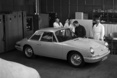 ','1961 Porsche Type 754 Prototype P13 0071 P13 0071 ','./en_14845_0.html'],
[14841,'','P13_0073','
','1961 Porsche Type 754 Prototype P13 0071 P13 0071 ','./en_14845_0.html'],
[14841,'','P13_0073','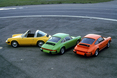 ','1974 911 Targa 911 S Coupé 911 Carrera Coupé P13 0073 P13 0073 ','./en_14841_0.html'],
[13123,'','P13_0203','
','1974 911 Targa 911 S Coupé 911 Carrera Coupé P13 0073 P13 0073 ','./en_14841_0.html'],
[13123,'','P13_0203','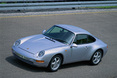 ','1994 911 Carrera Coupé Type 993 3 6 litre Generations P13 0203 P13 0203 ','./en_13123_0.html'],
[12988,'','P13_0162','
','1994 911 Carrera Coupé Type 993 3 6 litre Generations P13 0203 P13 0203 ','./en_13123_0.html'],
[12988,'','P13_0162','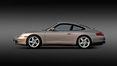 ','1998 911 Carrera Coupé Type 996 3 4 litre Generations P13 0162 P13 0162 ','./en_12988_0.html'],
[14049,'','P 1834','
','1998 911 Carrera Coupé Type 996 3 4 litre Generations P13 0162 P13 0162 ','./en_12988_0.html'],
[14049,'','P 1834','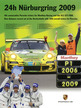 ','2009 24h Nürburgring 911 GT3 RSR P 1834 P 1834 ','./en_14049_0.html'],
[14088,'','P 276','
','2009 24h Nürburgring 911 GT3 RSR P 1834 P 1834 ','./en_14049_0.html'],
[14088,'','P 276','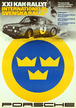 ','1971 Porsche Swedish Kak Rallye P 276 P 276 ','./en_14088_0.html'],
[13055,'','P13_0219','
','1971 Porsche Swedish Kak Rallye P 276 P 276 ','./en_14088_0.html'],
[13055,'','P13_0219','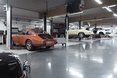 ','Porsche Classic Workshop P13 0219 P13 0219 ','./en_13055_0.html'],
[12963,'','P01_0945','
','Porsche Classic Workshop P13 0219 P13 0219 ','./en_13055_0.html'],
[12963,'','P01_0945','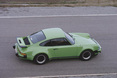 ','1972 911 Turbo Flat Engine P01 0945 P01 0945 ','./en_12963_0.html'],
[14083,'','P 245','
','1972 911 Turbo Flat Engine P01 0945 P01 0945 ','./en_12963_0.html'],
[14083,'','P 245','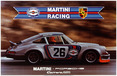 ','Martini Racing P 245 P 245 ','./en_14083_0.html'],
[14416,'','P13_0228','
','Martini Racing P 245 P 245 ','./en_14083_0.html'],
[14416,'','P13_0228',' ',' P13 0228 P13 0228 ','./en_14416_0.html'],
[13675,'','P13_0116','
',' P13 0228 P13 0228 ','./en_14416_0.html'],
[13675,'','P13_0116','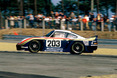 ','1987 Le Mans Type 916 Motorsport P13 0116 P13 0116 ','./en_13675_0.html'],
[14095,'','P 338','
','1987 Le Mans Type 916 Motorsport P13 0116 P13 0116 ','./en_13675_0.html'],
[14095,'','P 338','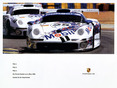 ','19 96 Le Mans Motorsport P 338 P 338 ','./en_14095_0.html'],
[14850,'','P13_0134','
','19 96 Le Mans Motorsport P 338 P 338 ','./en_14095_0.html'],
[14850,'','P13_0134','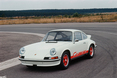 ','1972 911 Carrera RS 2 7 litre Innovations P13 0134 P13 0134 ','./en_14850_0.html'],
[13579,'','P13_0097','
','1972 911 Carrera RS 2 7 litre Innovations P13 0134 P13 0134 ','./en_14850_0.html'],
[13579,'','P13_0097','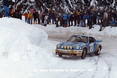 ','1978 Rallye Monte Carlo 911 Carrera 3 0 Motorsport P13 0097 P13 0097 ','./en_13579_0.html'],
[13149,'','P13_0226','
','1978 Rallye Monte Carlo 911 Carrera 3 0 Motorsport P13 0097 P13 0097 ','./en_13579_0.html'],
[13149,'','P13_0226','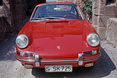 ','1964 901 Coupé Prototype P13 0226 P13 0226 ','./en_13149_0.html'],
[14085,'','P 257','
','1964 901 Coupé Prototype P13 0226 P13 0226 ','./en_13149_0.html'],
[14085,'','P 257','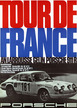 ','1960 Tour de France P 257 P 257 ','./en_14085_0.html'],
[13018,'','P13_0083','
','1960 Tour de France P 257 P 257 ','./en_14085_0.html'],
[13018,'','P13_0083','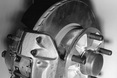 ','1967 Internally Ventilated Disc Brakes Innovations P13 0083 P13 0083 ','./en_13018_0.html'],
[14119,'','P 587','
','1967 Internally Ventilated Disc Brakes Innovations P13 0083 P13 0083 ','./en_13018_0.html'],
[14119,'','P 587',' ','1984 Imsa P 587 P 587 ','./en_14119_0.html'],
[13001,'','P13_0110','
','1984 Imsa P 587 P 587 ','./en_14119_0.html'],
[13001,'','P13_0110','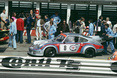 ','1974 Nürburgring 911 Carrera RSR Turbo 2 1 Motorsport P13 0110 P13 0110 ','./en_13001_0.html'],
[13051,'','P13_0218','
','1974 Nürburgring 911 Carrera RSR Turbo 2 1 Motorsport P13 0110 P13 0110 ','./en_13001_0.html'],
[13051,'','P13_0218',' ','Porsche Classic Workshop P13 0218 P13 0218 ','./en_13051_0.html'],
[13700,'','P13_0127','
','Porsche Classic Workshop P13 0218 P13 0218 ','./en_13051_0.html'],
[13700,'','P13_0127','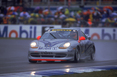 ','1998 Supercup 911 GT3 Cup Motorsport P13 0127 P13 0127 ','./en_13700_0.html'],
[13985,'','P13_0132','
','1998 Supercup 911 GT3 Cup Motorsport P13 0127 P13 0127 ','./en_13700_0.html'],
[13985,'','P13_0132','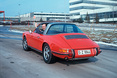 ','1971 911 Targa 2 2 litre P13 0132 P13 0132 ','./en_13985_0.html'],
[14104,'','P 405','
','1971 911 Targa 2 2 litre P13 0132 P13 0132 ','./en_13985_0.html'],
[14104,'','P 405','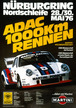 ','1976 Nürburgring Motorsport P 405 P 405 ','./en_14104_0.html'],
[14053,'','1967 b','
','1976 Nürburgring Motorsport P 405 P 405 ','./en_14104_0.html'],
[14053,'','1967 b','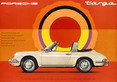 ','1967 911 Targa 1967 b 1967 b ','./en_14053_0.html'],
[13356,'','P12_0319','
','1967 911 Targa 1967 b 1967 b ','./en_14053_0.html'],
[13356,'','P12_0319','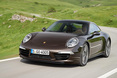 ','2012 911 Carrera 4S Type 991 P12 0319 P12 0319 ','./en_13356_0.html'],
[13093,'','P13_0225','
','2012 911 Carrera 4S Type 991 P12 0319 P12 0319 ','./en_13356_0.html'],
[13093,'','P13_0225','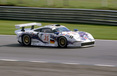 ','1996 911 GT1 Racing Car Motorsport P13 0225 P13 0225 ','./en_13093_0.html'],
[13694,'','P13_0126','
','1996 911 GT1 Racing Car Motorsport P13 0225 P13 0225 ','./en_13093_0.html'],
[13694,'','P13_0126','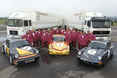 ','1990 Porsche 911 Cup Motorsport P13 0126 P13 0126 ','./en_13694_0.html'],
[14081,'','P 231','
','1990 Porsche 911 Cup Motorsport P13 0126 P13 0126 ','./en_13694_0.html'],
[14081,'','P 231','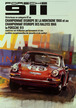 ','1966 Motorsport P 231 P 231 ','./en_14081_0.html'],
[13100,'','P13_0198','
','1966 Motorsport P 231 P 231 ','./en_14081_0.html'],
[13100,'','P13_0198','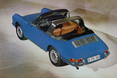 ','1967 911 Targa 2 0 litre Innovations P13 0198 P13 0198 ','./en_13100_0.html'],
[13918,'','P13_0121','
','1967 911 Targa 2 0 litre Innovations P13 0198 P13 0198 ','./en_13100_0.html'],
[13918,'','P13_0121','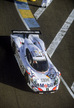 ','1998 Le Mans 911 GT1 Motorsport P13 0121 P13 0121 ','./en_13918_0.html'],
[13178,'','P13_0012','
','1998 Le Mans 911 GT1 Motorsport P13 0121 P13 0121 ','./en_13918_0.html'],
[13178,'','P13_0012','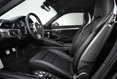 ','50 Years P13 0012 P13 0012 ','./en_13178_0.html'],
[14100,'','P 388','
','50 Years P13 0012 P13 0012 ','./en_13178_0.html'],
[14100,'','P 388','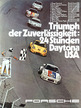 ','24 h Daytona USA P 388 P 388 ','./en_14100_0.html'],
[14105,'','P 408','
','24 h Daytona USA P 388 P 388 ','./en_14100_0.html'],
[14105,'','P 408','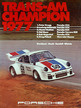 ','1977 TransAm Champion P 408 P 408 ','./en_14105_0.html'],
[13133,'','P13_0209','
','1977 TransAm Champion P 408 P 408 ','./en_14105_0.html'],
[13133,'','P13_0209','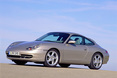 ','2001 911 Carrera Coupé Type 996 3 4 litre Generations P13 0209 P13 0209 ','./en_13133_0.html'],
[13003,'','P13_0118','
','2001 911 Carrera Coupé Type 996 3 4 litre Generations P13 0209 P13 0209 ','./en_13133_0.html'],
[13003,'','P13_0118','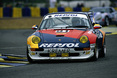 ','1995 Le Mans 911 GT2 Motorsport P13 0118 P13 0118 ','./en_13003_0.html'],
[12985,'','P13_0159','
','1995 Le Mans 911 GT2 Motorsport P13 0118 P13 0118 ','./en_13003_0.html'],
[12985,'','P13_0159','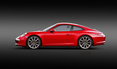 ','2012 911 Carrera Coupé Type 991 3 4 litre Generations P13 0159 P13 0159 ','./en_12985_0.html'],
[13710,'','P13_0109','
','2012 911 Carrera Coupé Type 991 3 4 litre Generations P13 0159 P13 0159 ','./en_12985_0.html'],
[13710,'','P13_0109','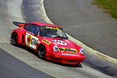 ','1974 Nürburgring 911 Carrera RSR 3 0 Motorsport P13 0109 P13 0109 ','./en_13710_0.html'],
[13594,'','P13_0103','
','1974 Nürburgring 911 Carrera RSR 3 0 Motorsport P13 0109 P13 0109 ','./en_13710_0.html'],
[13594,'','P13_0103','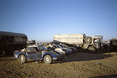 ','1986 Rallye ParisDakar Type 959 Motorsport P13 0103 P13 0103 ','./en_13594_0.html'],
[13128,'','P13_0205','
','1986 Rallye ParisDakar Type 959 Motorsport P13 0103 P13 0103 ','./en_13594_0.html'],
[13128,'','P13_0205','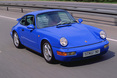 ','1988 911 Carrera 2 4 Coupé Type 964 3 6 litre Generations P13 0205 P13 0205 ','./en_13128_0.html'],
[14859,'','P13_0064','
','1988 911 Carrera 2 4 Coupé Type 964 3 6 litre Generations P13 0205 P13 0205 ','./en_13128_0.html'],
[14859,'','P13_0064','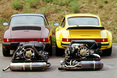 ','1976 911 S Targa 911 Turbo USA P13 0064 P13 0064 ','./en_14859_0.html'],
[13177,'','P13_0010','
','1976 911 S Targa 911 Turbo USA P13 0064 P13 0064 ','./en_14859_0.html'],
[13177,'','P13_0010','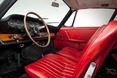 ','50 Years P13 0010 P13 0010 ','./en_13177_0.html'],
[13175,'','P13_0007','
','50 Years P13 0010 P13 0010 ','./en_13177_0.html'],
[13175,'','P13_0007','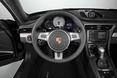 ','50 Years P13 0007 P13 0007 ','./en_13175_0.html'],
[13690,'','P13_0125','
','50 Years P13 0007 P13 0007 ','./en_13175_0.html'],
[13690,'','P13_0125','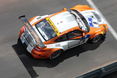 ','2011 24h Nürburgring 911 GT3 R Hybrid Motorsport P13 0125 P13 0125 ','./en_13690_0.html'],
[14862,'','P13_0091','
','2011 24h Nürburgring 911 GT3 R Hybrid Motorsport P13 0125 P13 0125 ','./en_13690_0.html'],
[14862,'','P13_0091','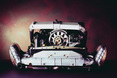 ','1996 911 Turbo 3 6 litreengine P13 0091 P13 0091 ','./en_14862_0.html'],
[13169,'','P13_0070','
','1996 911 Turbo 3 6 litreengine P13 0091 P13 0091 ','./en_14862_0.html'],
[13169,'','P13_0070','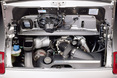 ','2005 911 Carrera 4S 3 8 litreengine P13 0070 P13 0070 ','./en_13169_0.html'],
[13134,'','P13_0210','
','2005 911 Carrera 4S 3 8 litreengine P13 0070 P13 0070 ','./en_13169_0.html'],
[13134,'','P13_0210','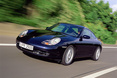 ','2001 911 Carrera Coupé Type 996 3 4 litre Generations P13 0210 P13 0210 ','./en_13134_0.html'],
[12986,'','P13_0160','
','2001 911 Carrera Coupé Type 996 3 4 litre Generations P13 0210 P13 0210 ','./en_13134_0.html'],
[12986,'','P13_0160','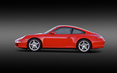 ','2006 911 Carrera 4 Type 997 3 6 litre Generations P13 0160 P13 0160 ','./en_12986_0.html'],
[13588,'','P13_0100','
','2006 911 Carrera 4 Type 997 3 6 litre Generations P13 0160 P13 0160 ','./en_12986_0.html'],
[13588,'','P13_0100','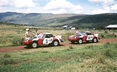 ','1978 East African Safari 911 SC 3 0 Motorsport P13 0100 P13 0100 ','./en_13588_0.html'],
[14111,'','P 419','
','1978 East African Safari 911 SC 3 0 Motorsport P13 0100 P13 0100 ','./en_13588_0.html'],
[14111,'','P 419','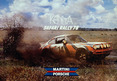 ','1978 Kenya Safari Rallye Motorsport P 419 P 419 ','./en_14111_0.html'],
[14122,'','P 1214','
','1978 Kenya Safari Rallye Motorsport P 419 P 419 ','./en_14111_0.html'],
[14122,'','P 1214','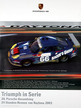 ','2003 24h Daytona P 1214 P 1214 ','./en_14122_0.html'],
[14123,'','P 1440','
','2003 24h Daytona P 1214 P 1214 ','./en_14122_0.html'],
[14123,'','P 1440',' ','2004 Le Mans Motorsport P 1440 P 1440 ','./en_14123_0.html'],
[13045,'','P13_0090','
','2004 Le Mans Motorsport P 1440 P 1440 ','./en_14123_0.html'],
[13045,'','P13_0090','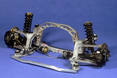 ','1993 LSA Aluminium Chassis 993 Series Innovations P13 0090 P13 0090 ','./en_13045_0.html'],
[12999,'','P13_0099','
','1993 LSA Aluminium Chassis 993 Series Innovations P13 0090 P13 0090 ','./en_13045_0.html'],
[12999,'','P13_0099','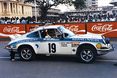 ','1974 East African Safari 911 Carrera RS 2 7 Motorsport P13 0099 P13 0099 ','./en_12999_0.html'],
[13677,'','P13_0117','
','1974 East African Safari 911 Carrera RS 2 7 Motorsport P13 0099 P13 0099 ','./en_12999_0.html'],
[13677,'','P13_0117','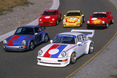 ','1993 Racing Cars Motorsport P13 0117 P13 0117 ','./en_13677_0.html'],
[14102,'','P 400','
','1993 Racing Cars Motorsport P13 0117 P13 0117 ','./en_13677_0.html'],
[14102,'','P 400',' ','1976 Porsche TransAm Champion P 400 P 400 ','./en_14102_0.html'],
[13827,'','P06_0428','
','1976 Porsche TransAm Champion P 400 P 400 ','./en_14102_0.html'],
[13827,'','P06_0428','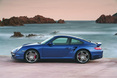 ','2006 911 Turbo Coupé Type 997 Generations P06 0428 P06 0428 ','./en_13827_0.html'],
[13113,'','P13_0197','
','2006 911 Turbo Coupé Type 997 Generations P06 0428 P06 0428 ','./en_13827_0.html'],
[13113,'','P13_0197','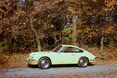 ','1963 Porsche Type 901 Generations P13 0197 P13 0197 ','./en_13113_0.html'],
[13130,'','P13_0207','
','1963 Porsche Type 901 Generations P13 0197 P13 0197 ','./en_13113_0.html'],
[13130,'','P13_0207','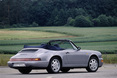 ','1990 911 Carrera 4 Cabriolet Type 964 3 6 litre Generations P13 0207 P13 0207 ','./en_13130_0.html'],
[14068,'','1981','
','1990 911 Carrera 4 Cabriolet Type 964 3 6 litre Generations P13 0207 P13 0207 ','./en_13130_0.html'],
[14068,'','1981',' ','1981 911 Turbo 930 1981 1981 ','./en_14068_0.html'],
[13681,'','P13_0120','
','1981 911 Turbo 930 1981 1981 ','./en_14068_0.html'],
[13681,'','P13_0120','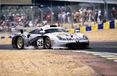 ','1997 Le Mans 911 GT1 Motorsport P13 0120 P13 0120 ','./en_13681_0.html'],
[13029,'','P13_0086','
','1997 Le Mans 911 GT1 Motorsport P13 0120 P13 0120 ','./en_13681_0.html'],
[13029,'','P13_0086','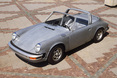 ','1976 Porsche 911 Galvanised Body Innovations P13 0086 P13 0086 ','./en_13029_0.html'],
[13152,'','P11_0605','
','1976 Porsche 911 Galvanised Body Innovations P13 0086 P13 0086 ','./en_13029_0.html'],
[13152,'','P11_0605','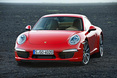 ','2012 911 Carrera Coupé Typ 991 3 4 litre Generations P11 0605 P11 0605 ','./en_13152_0.html'],
[13141,'','P13_0217','
','2012 911 Carrera Coupé Typ 991 3 4 litre Generations P11 0605 P11 0605 ','./en_13152_0.html'],
[13141,'','P13_0217','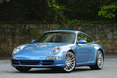 ','911 Carrera Type 997 Porsche Exclusive P13 0217 P13 0217 ','./en_13141_0.html'],
[14108,'','P 414','
','911 Carrera Type 997 Porsche Exclusive P13 0217 P13 0217 ','./en_13141_0.html'],
[14108,'','P 414',' ','1977 Manufacturer s Champion P 414 P 414 ','./en_14108_0.html'],
[13664,'','P13_0113','
','1977 Manufacturer s Champion P 414 P 414 ','./en_14108_0.html'],
[13664,'','P13_0113','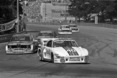 ','1977 Norisring 935 77 Baby Motorsport P13 0113 P13 0113 ','./en_13664_0.html'],
[13031,'','P13_0087','
','1977 Norisring 935 77 Baby Motorsport P13 0113 P13 0113 ','./en_13664_0.html'],
[13031,'','P13_0087','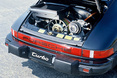 ','1986 911 Turbo Coupé Engine 3 3 litre Innovations P13 0087 P13 0087 ','./en_13031_0.html'],
[13129,'','P13_0206','
','1986 911 Turbo Coupé Engine 3 3 litre Innovations P13 0087 P13 0087 ','./en_13031_0.html'],
[13129,'','P13_0206','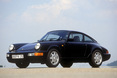 ','1988 911 Carrera 4 Coupé Type 964 3 6 litre Generations P13 0206 P13 0206 ','./en_13129_0.html'],
[14822,'','P13_0076','
','1988 911 Carrera 4 Coupé Type 964 3 6 litre Generations P13 0206 P13 0206 ','./en_13129_0.html'],
[14822,'','P13_0076','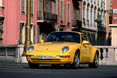 ','1994 911 Carrera Coupé 3 6 litre P13 0076 P13 0076 ','./en_14822_0.html'],
[14824,'','P13_0074','
','1994 911 Carrera Coupé 3 6 litre P13 0076 P13 0076 ','./en_14822_0.html'],
[14824,'','P13_0074','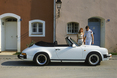 ','1983 911 SC Cabriolet 3 0 litre P13 0074 P13 0074 ','./en_14824_0.html'],
[14869,'','P13_0146','
','1983 911 SC Cabriolet 3 0 litre P13 0074 P13 0074 ','./en_14824_0.html'],
[14869,'','P13_0146','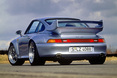 ','1995 Porsche 911 GT2 P13 0146 P13 0146 ','./en_14869_0.html'],
[14828,'','P13_0080','
','1995 Porsche 911 GT2 P13 0146 P13 0146 ','./en_14869_0.html'],
[14828,'','P13_0080','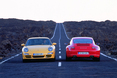 ','2005 911 Carrera Coupé 911 Carrera S Coupé P13 0080 P13 0080 ','./en_14828_0.html'],
[14826,'','P13_0133','
','2005 911 Carrera Coupé 911 Carrera S Coupé P13 0080 P13 0080 ','./en_14828_0.html'],
[14826,'','P13_0133','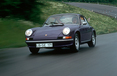 ','1973 911 E Coupé 2 4 litre P13 0133 P13 0133 ','./en_14826_0.html'],
[12972,'','S12_0215','
','1973 911 E Coupé 2 4 litre P13 0133 P13 0133 ','./en_14826_0.html'],
[12972,'','S12_0215','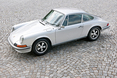 ','1967 Type 911 Design S12 0215 S12 0215 ','./en_12972_0.html'],
[13592,'','P13_0102','
','1967 Type 911 Design S12 0215 S12 0215 ','./en_12972_0.html'],
[13592,'','P13_0102','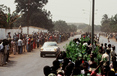 ','1984 Rallye ParisDakar 911 Carrera 3 2 Motorsport P13 0102 P13 0102 ','./en_13592_0.html'],
[13672,'','P13_0115','
','1984 Rallye ParisDakar 911 Carrera 3 2 Motorsport P13 0102 P13 0102 ','./en_13592_0.html'],
[13672,'','P13_0115','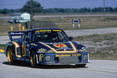 ','1979 Sebring Type 935 Motorsport P13 0115 P13 0115 ','./en_13672_0.html'],
[13067,'','P11_0654','
','1979 Sebring Type 935 Motorsport P13 0115 P13 0115 ','./en_13672_0.html'],
[13067,'','P11_0654','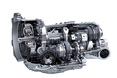 ','2011 Seven Speed Manual Gearbox Innovations P11 0654 P11 0654 ','./en_13067_0.html'],
[13124,'','P13_0204','
','2011 Seven Speed Manual Gearbox Innovations P11 0654 P11 0654 ','./en_13067_0.html'],
[13124,'','P13_0204','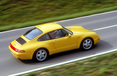 ','1994 911 Carrrea Coupé Type 993 3 6 litre Generations P13 0204 P13 0204 ','./en_13124_0.html'],
[13132,'','P13_0208','
','1994 911 Carrrea Coupé Type 993 3 6 litre Generations P13 0204 P13 0204 ','./en_13124_0.html'],
[13132,'','P13_0208','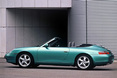 ','1999 911 Carrera Cabriolet Type 996 3 4 litre Generations P13 0208 P13 0208 ','./en_13132_0.html'],
[13146,'','F10_0302','
','1999 911 Carrera Cabriolet Type 996 3 4 litre Generations P13 0208 P13 0208 ','./en_13132_0.html'],
[13146,'','F10_0302','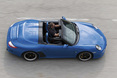 ','911 Speedster Porsche Exclusive F10 0302 F10 0302 ','./en_13146_0.html'],
[13586,'','P13_0098','
','911 Speedster Porsche Exclusive F10 0302 F10 0302 ','./en_13146_0.html'],
[13586,'','P13_0098','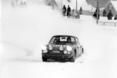 ','1968 Sweden Rallye 911 T Motorsport P13 0098 P13 0098 ','./en_13586_0.html'],
[14117,'','P 579','
','1968 Sweden Rallye 911 T Motorsport P13 0098 P13 0098 ','./en_13586_0.html'],
[14117,'','P 579',' ','1993 Porsche Super Cup P 579 P 579 ','./en_14117_0.html'],
[14114,'','P 444','
','1993 Porsche Super Cup P 579 P 579 ','./en_14117_0.html'],
[14114,'','P 444','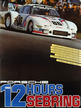 ','12 hours Sebring P 444 P 444 ','./en_14114_0.html'],
[14116,'','P 571','
','12 hours Sebring P 444 P 444 ','./en_14114_0.html'],
[14116,'','P 571',' ','1991 24h Daytona P 571 P 571 ','./en_14116_0.html'],
[14094,'','P 321','
','1991 24h Daytona P 571 P 571 ','./en_14116_0.html'],
[14094,'','P 321','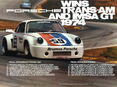 ','1974 TransAm Imsa P 321 P 321 ','./en_14094_0.html'],
[13997,'','P13_0141','
','1974 TransAm Imsa P 321 P 321 ','./en_14094_0.html'],
[13997,'','P13_0141','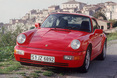 ','1989 911 Carrera 4 Coupé 3 6 litre P13 0141 P13 0141 ','./en_13997_0.html'],
[12987,'','P13_0161','
','1989 911 Carrera 4 Coupé 3 6 litre P13 0141 P13 0141 ','./en_13997_0.html'],
[12987,'','P13_0161','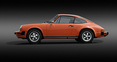 ','1974 911 Carrera Coupé GSeries 2 7 litre Generations P13 0161 P13 0161 ','./en_12987_0.html'],
[13683,'','P13_0122','
','1974 911 Carrera Coupé GSeries 2 7 litre Generations P13 0161 P13 0161 ','./en_12987_0.html'],
[13683,'','P13_0122','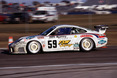 ','1999 Le Mans 911 GTR 3 Motorsport P13 0122 P13 0122 ','./en_13683_0.html'],
[14419,'','P13_0229','
','1999 Le Mans 911 GTR 3 Motorsport P13 0122 P13 0122 ','./en_13683_0.html'],
[14419,'','P13_0229','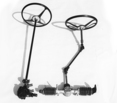 ','1963 ThreePart Safety Steering System Innovations P13 0229 P13 0229 ','./en_14419_0.html'],
[13836,'','P08_0598','
','1963 ThreePart Safety Steering System Innovations P13 0229 P13 0229 ','./en_14419_0.html'],
[13836,'','P08_0598','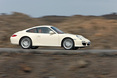 ','911 Carrera Type 997 Generations P08 0598 P08 0598 ','./en_13836_0.html'],
[13089,'','P13_0214','
','911 Carrera Type 997 Generations P08 0598 P08 0598 ','./en_13836_0.html'],
[13089,'','P13_0214','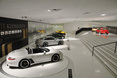 ','Porsche Exhibition Porsche Exclusive P13 0214 P13 0214 ','./en_13089_0.html'],
[13000,'','P13_0105','
','Porsche Exhibition Porsche Exclusive P13 0214 P13 0214 ','./en_13089_0.html'],
[13000,'','P13_0105','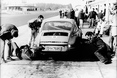 ','1968 911 S 2 0 litre Motorsport P13 0105 P13 0105 ','./en_13000_0.html'],
[13995,'','P13_0140','
','1968 911 S 2 0 litre Motorsport P13 0105 P13 0105 ','./en_13000_0.html'],
[13995,'','P13_0140','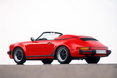 ','1989 911 Carrera Speedster 3 2 litre Turbolook P13 0140 P13 0140 ','./en_13995_0.html'],
[13074,'','P13_0003','
','1989 911 Carrera Speedster 3 2 litre Turbolook P13 0140 P13 0140 ','./en_13995_0.html'],
[13074,'','P13_0003','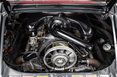 ','1965 911 2 0 litreengine P13 0003 P13 0003 ','./en_13074_0.html'],
[12964,'','P11_0645','
','1965 911 2 0 litreengine P13 0003 P13 0003 ','./en_13074_0.html'],
[12964,'','P11_0645','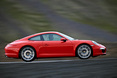 ','2012 911 Carrera Coupé Type 991 3 4 litre Design P11 0645 P11 0645 ','./en_12964_0.html'],
[14848,'','P13_0084','
','2012 911 Carrera Coupé Type 991 3 4 litre Design P11 0645 P11 0645 ','./en_12964_0.html'],
[14848,'','P13_0084','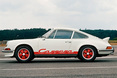 ','1972 911 Carrera RS 2 7 litre Innovations P13 0084 P13 0084 ','./en_14848_0.html'],
[13606,'','P13_0112','
','1972 911 Carrera RS 2 7 litre Innovations P13 0084 P13 0084 ','./en_14848_0.html'],
[13606,'','P13_0112','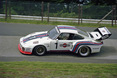 ','1976 Nürburgring Type 935 Motorsport P13 0112 P13 0112 ','./en_13606_0.html'],
[13056,'','P13_0093','
','1976 Nürburgring Type 935 Motorsport P13 0112 P13 0112 ','./en_13606_0.html'],
[13056,'','P13_0093','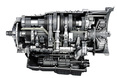 ','2009 Porsche Doppelkupplung PDK Innovations P13 0093 P13 0093 ','./en_13056_0.html'],
[14097,'','P 374','
','2009 Porsche Doppelkupplung PDK Innovations P13 0093 P13 0093 ','./en_13056_0.html'],
[14097,'','P 374',' ','1975 24 h Racing Daytona P 374 P 374 ','./en_14097_0.html'],
[13078,'','P13_0192','
','1975 24 h Racing Daytona P 374 P 374 ','./en_14097_0.html'],
[13078,'','P13_0192','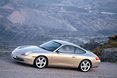 ','1998 911 Carrera Coupé 3 4 litre Design P13 0192 P13 0192 ','./en_13078_0.html'],
[13194,'','P13_0025','
','1998 911 Carrera Coupé 3 4 litre Design P13 0192 P13 0192 ','./en_13078_0.html'],
[13194,'','P13_0025','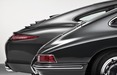 ','50 Years P13 0025 P13 0025 ','./en_13194_0.html'],
[12971,'','P13_0036','
','50 Years P13 0025 P13 0025 ','./en_13194_0.html'],
[12971,'','P13_0036','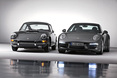 ','50 Years P13 0036 P13 0036 ','./en_12971_0.html'],
[13185,'','P13_0035','
','50 Years P13 0036 P13 0036 ','./en_12971_0.html'],
[13185,'','P13_0035','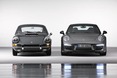 ','50 Years P13 0035 P13 0035 ','./en_13185_0.html'],
[14092,'','P 308','
','50 Years P13 0035 P13 0035 ','./en_13185_0.html'],
[14092,'','P 308','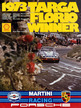 ','1973 Porsche Targa Florio Winner Motorsport P 308 P 308 ','./en_14092_0.html'],
[14093,'','P 309','
','1973 Porsche Targa Florio Winner Motorsport P 308 P 308 ','./en_14092_0.html'],
[14093,'','P 309','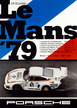 ','1979 Le Mans Motorsport P 309 P 309 ','./en_14093_0.html'],
[13109,'','P13_0196','
','1979 Le Mans Motorsport P 309 P 309 ','./en_14093_0.html'],
[13109,'','P13_0196','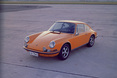 ','1970 911 S Coupé 2 0 litre Generations P13 0196 P13 0196 ','./en_13109_0.html'],
[13042,'','P13_0089','
','1970 911 S Coupé 2 0 litre Generations P13 0196 P13 0196 ','./en_13109_0.html'],
[13042,'','P13_0089','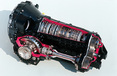 ','1990 Tiptronic 911 Carrera 2 3 6 litre Innovations P13 0089 P13 0089 ','./en_13042_0.html'],
[14124,'','P 1724','
','1990 Tiptronic 911 Carrera 2 3 6 litre Innovations P13 0089 P13 0089 ','./en_13042_0.html'],
[14124,'','P 1724','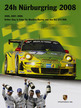 ','2008 24h Nürburgring 911 GT3 RSR P 1724 P 1724 ','./en_14124_0.html'],
[14866,'','P13_0085','
','2008 24h Nürburgring 911 GT3 RSR P 1724 P 1724 ','./en_14124_0.html'],
[14866,'','P13_0085','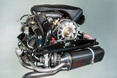 ','1975 911 Turbo 3 0 litreengine P13 0085 P13 0085 ','./en_14866_0.html'],
[13165,'','P13_0065','
','1975 911 Turbo 3 0 litreengine P13 0085 P13 0085 ','./en_14866_0.html'],
[13165,'','P13_0065','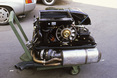 ','1981 911 Turbo 3 3 litreengine P13 0065 P13 0065 ','./en_13165_0.html'],
[14080,'','P 4','
','1981 911 Turbo 3 3 litreengine P13 0065 P13 0065 ','./en_13165_0.html'],
[14080,'','P 4','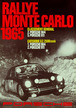 ','1965 Rallye Monte Carlo Motorsport P 4 P 4 ','./en_14080_0.html'],
[14064,'','1976','
','1965 Rallye Monte Carlo Motorsport P 4 P 4 ','./en_14080_0.html'],
[14064,'','1976',' ','1976 911 GSeries 1976 1976 ','./en_14064_0.html'],
[14067,'','1980','
','1976 911 GSeries 1976 1976 ','./en_14064_0.html'],
[14067,'','1980',' ','1980 911 SC GSeries 1980 1980 ','./en_14067_0.html'],
[14079,'','1993','
','1980 911 SC GSeries 1980 1980 ','./en_14067_0.html'],
[14079,'','1993',' ','1993 911 Type 993 1993 1993 ','./en_14079_0.html'],
[14066,'','1978_001','
','1993 911 Type 993 1993 1993 ','./en_14079_0.html'],
[14066,'','1978_001','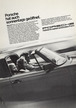 ','1978 911 Targa 1978 001 1978 001 ','./en_14066_0.html'],
[14062,'','1975','
','1978 911 Targa 1978 001 1978 001 ','./en_14066_0.html'],
[14062,'','1975','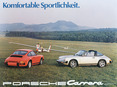 ','1975 911 GSeries Coupé Targa 1975 1975 ','./en_14062_0.html'],
[14086,'','P 269','
','1975 911 GSeries Coupé Targa 1975 1975 ','./en_14062_0.html'],
[14086,'','P 269','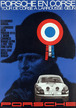 ','1960 Porsche Tour de Corse P 269 P 269 ','./en_14086_0.html'],
[14056,'','1969','
','1960 Porsche Tour de Corse P 269 P 269 ','./en_14086_0.html'],
[14056,'','1969',' ','1969 911 Motorsports 1969 1969 ','./en_14056_0.html'],
[14113,'','P 437','
','1969 911 Motorsports 1969 1969 ','./en_14056_0.html'],
[14113,'','P 437','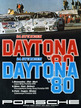 ','1980 24 h Daytona P 437 P 437 ','./en_14113_0.html'],
[12998,'','P13_0096','
','1980 24 h Daytona P 437 P 437 ','./en_14113_0.html'],
[12998,'','P13_0096','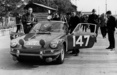 ','1965 Rallye Monte Carlo Peter Falk l Herbert Linge Motorsport P13 0096 P13 0096 ','./en_12998_0.html'],
[13139,'','P13_0215','
','1965 Rallye Monte Carlo Peter Falk l Herbert Linge Motorsport P13 0096 P13 0096 ','./en_12998_0.html'],
[13139,'','P13_0215','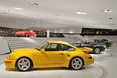 ','Special Exhibition Porsche Exclusive P13 0215 P13 0215 ','./en_13139_0.html'],
[13360,'','P12_0484','
','Special Exhibition Porsche Exclusive P13 0215 P13 0215 ','./en_13139_0.html'],
[13360,'','P12_0484',' ','2012 Cayenne Turbo S P12 0484 P12 0484 ','./en_13360_0.html'],
[13357,'','P11_0772','
','2012 Cayenne Turbo S P12 0484 P12 0484 ','./en_13360_0.html'],
[13357,'','P11_0772','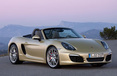 ','2012 Boxster S P11 0772 P11 0772 ','./en_13357_0.html'],
[13359,'','P11_0722','
','2012 Boxster S P11 0772 P11 0772 ','./en_13357_0.html'],
[13359,'','P11_0722','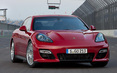 ','2012 Panamera GTS P11 0722 P11 0722 ','./en_13359_0.html'],
[13358,'','P12_0465','
','2012 Panamera GTS P11 0722 P11 0722 ','./en_13359_0.html'],
[13358,'','P12_0465','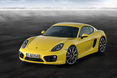 ','2012 Cayman S P12 0465 P12 0465 ','./en_13358_0.html'],
[13137,'','P13_0212','
','2012 Cayman S P12 0465 P12 0465 ','./en_13358_0.html'],
[13137,'','P13_0212','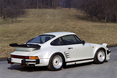 ','1985 911 Turbo Coupé 3 3 litre Flatnose Porsche Exclusive P13 0212 P13 0212 ','./en_13137_0.html'],
[13833,'','P08_0587','
','1985 911 Turbo Coupé 3 3 litre Flatnose Porsche Exclusive P13 0212 P13 0212 ','./en_13137_0.html'],
[13833,'','P08_0587','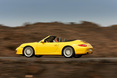 ','911 Carrera Cabriolet Type 997 Generations P08 0587 P08 0587 ','./en_13833_0.html'],
[14121,'','P 603','
','911 Carrera Cabriolet Type 997 Generations P08 0587 P08 0587 ','./en_13833_0.html'],
[14121,'','P 603',' ','Porsche Peak Performance P 603 P 603 ','./en_14121_0.html'],
[13163,'','P13_0062','
','Porsche Peak Performance P 603 P 603 ','./en_14121_0.html'],
[13163,'','P13_0062','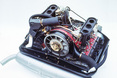 ','1969 911 S 2 0 litreengine P13 0062 P13 0062 ','./en_13163_0.html'],
[13136,'','P13_0211','
','1969 911 S 2 0 litreengine P13 0062 P13 0062 ','./en_13163_0.html'],
[13136,'','P13_0211','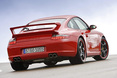 ','2005 911 Carrera S 3 8 litre Aerokit Cup Porsche Exclusive P13 0211 P13 0211 ','./en_13136_0.html'],
[13192,'','P13_0027','
','2005 911 Carrera S 3 8 litre Aerokit Cup Porsche Exclusive P13 0211 P13 0211 ','./en_13136_0.html'],
[13192,'','P13_0027','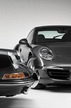 ','50 Years P13 0027 P13 0027 ','./en_13192_0.html'],
[12966,'','P13_0021','
','50 Years P13 0027 P13 0027 ','./en_13192_0.html'],
[12966,'','P13_0021','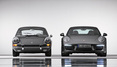 ','50 Years P13 0021 P13 0021 ','./en_12966_0.html'],
[13193,'','P13_0024','
','50 Years P13 0021 P13 0021 ','./en_12966_0.html'],
[13193,'','P13_0024','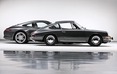 ','50 Years P13 0024 P13 0024 ','./en_13193_0.html'],
[13180,'','P13_0016','
','50 Years P13 0024 P13 0024 ','./en_13193_0.html'],
[13180,'','P13_0016','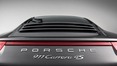 ','50 Years P13 0016 P13 0016 ','./en_13180_0.html'],
[13176,'','P13_0008','
','50 Years P13 0016 P13 0016 ','./en_13180_0.html'],
[13176,'','P13_0008','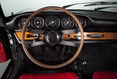 ','50 Years P13 0008 P13 0008 ','./en_13176_0.html'],
[13191,'','P13_0014','
','50 Years P13 0008 P13 0008 ','./en_13176_0.html'],
[13191,'','P13_0014',' ','50 Years P13 0014 P13 0014 ','./en_13191_0.html'],
[13181,'','P13_0017','
','50 Years P13 0014 P13 0014 ','./en_13191_0.html'],
[13181,'','P13_0017','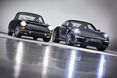 ','50 Years P13 0017 P13 0017 ','./en_13181_0.html'],
[13182,'','P13_0018','
','50 Years P13 0017 P13 0017 ','./en_13181_0.html'],
[13182,'','P13_0018','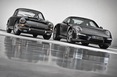 ','50 Years P13 0018 P13 0018 ','./en_13182_0.html'],
[13183,'','P13_0020','
','50 Years P13 0018 P13 0018 ','./en_13182_0.html'],
[13183,'','P13_0020','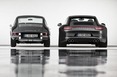 ','50 Years P13 0020 P13 0020 ','./en_13183_0.html'],
[13184,'','P13_0022','
','50 Years P13 0020 P13 0020 ','./en_13183_0.html'],
[13184,'','P13_0022','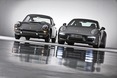 ','50 Years P13 0022 P13 0022 ','./en_13184_0.html'],
[14875,'','P13_0151','
','50 Years P13 0022 P13 0022 ','./en_13184_0.html'],
[14875,'','P13_0151','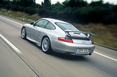 ','1999 Porsche 911 GT3 P13 0151 P13 0151 ','./en_14875_0.html'],
[12965,'','P13_0019','
','1999 Porsche 911 GT3 P13 0151 P13 0151 ','./en_14875_0.html'],
[12965,'','P13_0019','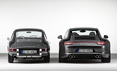 ','50 Years P13 0019 P13 0019 ','./en_12965_0.html'],
[12957,'','P13_0023','
','50 Years P13 0019 P13 0019 ','./en_12965_0.html'],
[12957,'','P13_0023','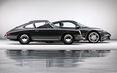 ','50 Years P13 0023 P13 0023 ','./en_12957_0.html'],
[12969,'','P13_0028','
','50 Years P13 0023 P13 0023 ','./en_12957_0.html'],
[12969,'','P13_0028','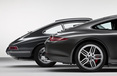 ','50 Years P13 0028 P13 0028 ','./en_12969_0.html'],
[13179,'','P13_0013','
','50 Years P13 0028 P13 0028 ','./en_12969_0.html'],
[13179,'','P13_0013','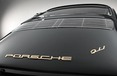 ','50 Years P13 0013 P13 0013 ','./en_13179_0.html'],
[13002,'','P13_0114','
','50 Years P13 0013 P13 0013 ','./en_13179_0.html'],
[13002,'','P13_0114','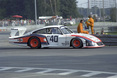 ','1978 Norisring 935 78 Moby Dick Motorsport P13 0114 P13 0114 ','./en_13002_0.html'],
[13155,'','P11_0606','
','1978 Norisring 935 78 Moby Dick Motorsport P13 0114 P13 0114 ','./en_13002_0.html'],
[13155,'','P11_0606','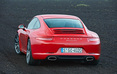 ','2012 911 Carrera Coupé Typ 991 3 4 litre Generations P11 0606 P11 0606 ','./en_13155_0.html'],
[13072,'','P13_0224','
','2012 911 Carrera Coupé Typ 991 3 4 litre Generations P11 0606 P11 0606 ','./en_13155_0.html'],
[13072,'','P13_0224',' ','1963 ThreePart Safety Steering System Innovations P13 0224 P13 0224 ','./en_13072_0.html'],
[13140,'','P13_0216','
','1963 ThreePart Safety Steering System Innovations P13 0224 P13 0224 ','./en_13072_0.html'],
[13140,'','P13_0216','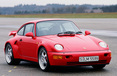 ','1993 911 Turbo 3 6 litre Flatnose Porsche Exclusive P13 0216 P13 0216 ','./en_13140_0.html'],
[14103,'','P 402','
','1993 911 Turbo 3 6 litre Flatnose Porsche Exclusive P13 0216 P13 0216 ','./en_13140_0.html'],
[14103,'','P 402',' ','6h Watkins Glen P 402 P 402 ','./en_14103_0.html'],
[14112,'','P 433','
','6h Watkins Glen P 402 P 402 ','./en_14103_0.html'],
[14112,'','P 433','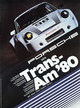 ','1980 TransAm Champion P 433 P 433 ','./en_14112_0.html'],
[12967,'','P13_0026','
','1980 TransAm Champion P 433 P 433 ','./en_14112_0.html'],
[12967,'','P13_0026',' ','50 Years P13 0026 P13 0026 ','./en_12967_0.html'],
[13164,'','P13_0063','
','50 Years P13 0026 P13 0026 ','./en_12967_0.html'],
[13164,'','P13_0063','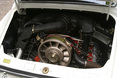 ','1973 911 Carrera RS 2 7 litreengine P13 0063 P13 0063 ','./en_13164_0.html'],
[13062,'','P13_0094','
','1973 911 Carrera RS 2 7 litreengine P13 0063 P13 0063 ','./en_13164_0.html'],
[13062,'','P13_0094','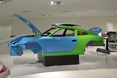 ','2011 Aluminium Steel Design 991 Series Innovations P13 0094 P13 0094 ','./en_13062_0.html'],
[13993,'','P13_0139','
','2011 Aluminium Steel Design 991 Series Innovations P13 0094 P13 0094 ','./en_13062_0.html'],
[13993,'','P13_0139','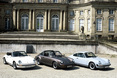 ','1983 911 SC Cabrio Targa Coupé P13 0139 P13 0139 ','./en_13993_0.html'],
[13052,'','P13_0092','
','1983 911 SC Cabrio Targa Coupé P13 0139 P13 0139 ','./en_13993_0.html'],
[13052,'','P13_0092','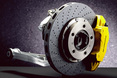 ','2001 Ceramic Brake Disc Innovations P13 0092 P13 0092 ','./en_13052_0.html'],
[14051,'','1963 b','
','2001 Ceramic Brake Disc Innovations P13 0092 P13 0092 ','./en_13052_0.html'],
[14051,'','1963 b',' ','1963 Type 901 1963 b 1963 b ','./en_14051_0.html'],
[14060,'','1974','
','1963 Type 901 1963 b 1963 b ','./en_14051_0.html'],
[14060,'','1974','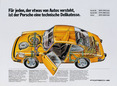 ','1974 911 1974 1974 ','./en_14060_0.html'],
[13049,'','P13_0223','
','1974 911 1974 1974 ','./en_14060_0.html'],
[13049,'','P13_0223','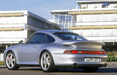 ','1997 911 Turbo Coupé 3 6 litre Innovations P13 0223 P13 0223 ','./en_13049_0.html'],
[14061,'','1975 b','
','1997 911 Turbo Coupé 3 6 litre Innovations P13 0223 P13 0223 ','./en_13049_0.html'],
[14061,'','1975 b','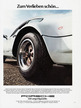 ','1975 911 Carrera 1975 b 1975 b ','./en_14061_0.html'],
[14050,'','1963 a','
','1975 911 Carrera 1975 b 1975 b ','./en_14061_0.html'],
[14050,'','1963 a','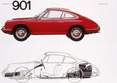 ','1963 Type 901 1963 a 1963 a ','./en_14050_0.html'],
[13105,'','P13_0195','
','1963 Type 901 1963 a 1963 a ','./en_14050_0.html'],
[13105,'','P13_0195','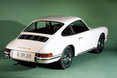 ','1965 911 Coupé 2 0 Generations P13 0195 P13 0195 ','./en_13105_0.html'],
[12982,'','P13_0072','
','1965 911 Coupé 2 0 Generations P13 0195 P13 0195 ','./en_13105_0.html'],
[12982,'','P13_0072','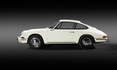 ','1965 911 2 0 Coupé Generations P13 0072 P13 0072 ','./en_12982_0.html'],
[13047,'','P13_0077','
','1965 911 2 0 Coupé Generations P13 0072 P13 0072 ','./en_12982_0.html'],
[13047,'','P13_0077','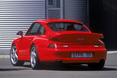 ','1996 911 Turbo 3 6 litre Innovations P13 0077 P13 0077 ','./en_13047_0.html'],
[13040,'','P13_0075','
','1996 911 Turbo 3 6 litre Innovations P13 0077 P13 0077 ','./en_13047_0.html'],
[13040,'','P13_0075',' ','1989 911 Carrera 4 Coupé 3 6 litre Innovations P13 0075 P13 0075 ','./en_13040_0.html'],
[13118,'','P13_0200','
','1989 911 Carrera 4 Coupé 3 6 litre Innovations P13 0075 P13 0075 ','./en_13040_0.html'],
[13118,'','P13_0200','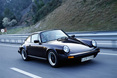 ','1982 911 Carrera S Coupé GSeries 3 0 litre Generations P13 0200 P13 0200 ','./en_13118_0.html'],
[14055,'','1967','
','1982 911 Carrera S Coupé GSeries 3 0 litre Generations P13 0200 P13 0200 ','./en_13118_0.html'],
[14055,'','1967','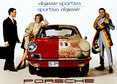 ','1967 911 1967 1967 ','./en_14055_0.html'],
[12983,'','P13_0147','
','1967 911 1967 1967 ','./en_14055_0.html'],
[12983,'','P13_0147','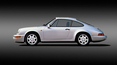 ','1988 911 Carrera 4 Type 964 Generations P13 0147 P13 0147 ','./en_12983_0.html'],
[14107,'','P 413','
','1988 911 Carrera 4 Type 964 Generations P13 0147 P13 0147 ','./en_12983_0.html'],
[14107,'','P 413','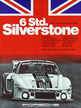 ','6 h Silverstone P 413 P 413 ','./en_14107_0.html'],
[14120,'','P 600','
','6 h Silverstone P 413 P 413 ','./en_14107_0.html'],
[14120,'','P 600','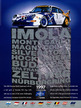 ','1997 Porsche Pirelli Supercup P 600 P 600 ','./en_14120_0.html'],
[13687,'','P13_0124','
','1997 Porsche Pirelli Supercup P 600 P 600 ','./en_14120_0.html'],
[13687,'','P13_0124','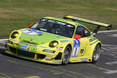 ','2008 24h Nürburgring 911 Carrera GT3 RSR Motorsport P13 0124 P13 0124 ','./en_13687_0.html'],
[13679,'','P13_0119','
','2008 24h Nürburgring 911 Carrera GT3 RSR Motorsport P13 0124 P13 0124 ','./en_13687_0.html'],
[13679,'','P13_0119','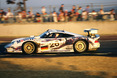 ','19 96 Le Mans 911 GT1 Motorsport P13 0119 P13 0119 ','./en_13679_0.html'],
[14078,'','1993 e','
','19 96 Le Mans 911 GT1 Motorsport P13 0119 P13 0119 ','./en_13679_0.html'],
[14078,'','1993 e',' ','1993 911 Type 993 Coupé 1993 e 1993 e ','./en_14078_0.html'],
[14071,'','1986','
','1993 911 Type 993 Coupé 1993 e 1993 e ','./en_14078_0.html'],
[14071,'','1986',' ','1986 911 1986 1986 ','./en_14071_0.html'],
[14106,'','P 412','
','1986 911 1986 1986 ','./en_14071_0.html'],
[14106,'','P 412','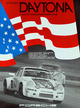 ','24 h Daytona P 412 P 412 ','./en_14106_0.html'],
[14077,'','1993 d','
','24 h Daytona P 412 P 412 ','./en_14106_0.html'],
[14077,'','1993 d','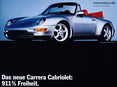 ','1993 911 Type 993 Cabriolet 1993 d 1993 d ','./en_14077_0.html'],
[14076,'','1993 c','
','1993 911 Type 993 Cabriolet 1993 d 1993 d ','./en_14077_0.html'],
[14076,'','1993 c','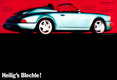 ','1993 911 Carrera Speedster 1993 c 1993 c ','./en_14076_0.html'],
[14072,'','1988','
','1993 911 Carrera Speedster 1993 c 1993 c ','./en_14076_0.html'],
[14072,'','1988','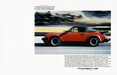 ','1988 911 Targa 1988 1988 ','./en_14072_0.html'],
[14073,'','1989','
','1988 911 Targa 1988 1988 ','./en_14072_0.html'],
[14073,'','1989','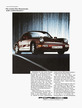 ','1989 911 Type 964 1989 1989 ','./en_14073_0.html'],
[14075,'','1993 b','
','1989 911 Type 964 1989 1989 ','./en_14073_0.html'],
[14075,'','1993 b','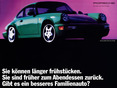 ','1993 911 Type 964 1993 b 1993 b ','./en_14075_0.html'],
[14074,'','1993 a','
','1993 911 Type 964 1993 b 1993 b ','./en_14075_0.html'],
[14074,'','1993 a','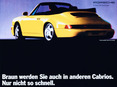 ','1993 911 Type 964 Cabriolet 1993 a 1993 a ','./en_14074_0.html'],
[14089,'','P 279','
','1993 911 Type 964 Cabriolet 1993 a 1993 a ','./en_14074_0.html'],
[14089,'','P 279','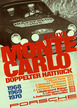 ','1970 Rallye Monte Carlo Motorsport P 279 P 279 ','./en_14089_0.html'],
[14082,'','P 237','
','1970 Rallye Monte Carlo Motorsport P 279 P 279 ','./en_14089_0.html'],
[14082,'','P 237','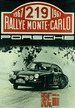 ','1967 Rallye Monte Carlo Motorsport P 237 P 237 ','./en_14082_0.html'],
[14118,'','P 582','
','1967 Rallye Monte Carlo Motorsport P 237 P 237 ','./en_14082_0.html'],
[14118,'','P 582',' ','24h Nürburgring Motorsport P 582 P 582 ','./en_14118_0.html'],
[14090,'','P 283','
','24h Nürburgring Motorsport P 582 P 582 ','./en_14118_0.html'],
[14090,'','P 283',' ','1970 Waldegaard Nystrom Porsche 911 S P 283 P 283 ','./en_14090_0.html'],
[14070,'','1986 b','
','1970 Waldegaard Nystrom Porsche 911 S P 283 P 283 ','./en_14090_0.html'],
[14070,'','1986 b',' ','1986 911 GSeries 1986 b 1986 b ','./en_14070_0.html'],
[14069,'','1985','
','1986 911 GSeries 1986 b 1986 b ','./en_14070_0.html'],
[14069,'','1985',' ','1985 911 Turbo 930 1985 1985 ','./en_14069_0.html'],
[14115,'','P 478','
','1985 911 Turbo 930 1985 1985 ','./en_14069_0.html'],
[14115,'','P 478',' ','1984 Rallye Paris Dakar Motorsport P 478 P 478 ','./en_14115_0.html'],
[14065,'','1977','
','1984 Rallye Paris Dakar Motorsport P 478 P 478 ','./en_14115_0.html'],
[14065,'','1977',' ','1977 911 Turbo 930 1977 1977 ','./en_14065_0.html'],
[12984,'','P13_0158','
','1977 911 Turbo 930 1977 1977 ','./en_14065_0.html'],
[12984,'','P13_0158',' ','1994 911 Carrera Coupé Type 993 3 6 litre Generations P13 0158 P13 0158 ','./en_12984_0.html'],
[13122,'','P13_0202','
','1994 911 Carrera Coupé Type 993 3 6 litre Generations P13 0158 P13 0158 ','./en_12984_0.html'],
[13122,'','P13_0202','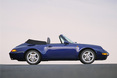 ','1994 911 Carrera Cabriolet Type 993 3 6 litre Generations P13 0202 P13 0202 ','./en_13122_0.html'],
[13070,'','P13_0194','
','1994 911 Carrera Cabriolet Type 993 3 6 litre Generations P13 0202 P13 0202 ','./en_13122_0.html'],
[13070,'','P13_0194','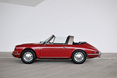 ','1968 911 Targa 2 0 litre Innovations P13 0194 P13 0194 ','./en_13070_0.html'],
[13353,'','P12_0018','
','1968 911 Targa 2 0 litre Innovations P13 0194 P13 0194 ','./en_13070_0.html'],
[13353,'','P12_0018','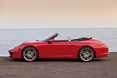 ','2011 911 Carrera S Cabriolet Type 991 Generations P12 0018 P12 0018 ','./en_13353_0.html'],
[13590,'','P13_0101','
','2011 911 Carrera S Cabriolet Type 991 Generations P12 0018 P12 0018 ','./en_13353_0.html'],
[13590,'','P13_0101','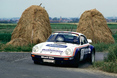 ','1984 Uren Van Leper 911 SC RS Motorsport P13 0101 P13 0101 ','./en_13590_0.html'],
[13986,'','P13_0135','
','1984 Uren Van Leper 911 SC RS Motorsport P13 0101 P13 0101 ','./en_13590_0.html'],
[13986,'','P13_0135','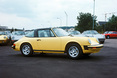 ','1975 911 Targa 2 7 litre P13 0135 P13 0135 ','./en_13986_0.html'],
[13596,'','P13_0104','
','1975 911 Targa 2 7 litre P13 0135 P13 0135 ','./en_13986_0.html'],
[13596,'','P13_0104','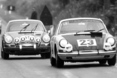 ','1967 Spa 24 h Type 911 Motorsport P13 0104 P13 0104 ','./en_13596_0.html'],
[13598,'','P13_0106','
','1967 Spa 24 h Type 911 Motorsport P13 0104 P13 0104 ','./en_13596_0.html'],
[13598,'','P13_0106',' ','1970 Targa Florio 911 S Motorsport P13 0106 P13 0106 ','./en_13598_0.html'],
[13600,'','P13_0108','
','1970 Targa Florio 911 S Motorsport P13 0106 P13 0106 ','./en_13598_0.html'],
[13600,'','P13_0108',' ','1973 Targa Florio 911 Carrera RS Motorsport P13 0108 P13 0108 ','./en_13600_0.html'],
[13602,'','P13_0111','
','1973 Targa Florio 911 Carrera RS Motorsport P13 0108 P13 0108 ','./en_13600_0.html'],
[13602,'','P13_0111','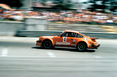 ','1976 Norisring Type 934 Motorsport P13 0111 P13 0111 ','./en_13602_0.html'],
[13059,'','P13_0220','
','1976 Norisring Type 934 Motorsport P13 0111 P13 0111 ','./en_13602_0.html'],
[13059,'','P13_0220',' ','Porsche Classic Original Emblem P13 0220 P13 0220 ','./en_13059_0.html'],
[13138,'','P13_0213','
','Porsche Classic Original Emblem P13 0220 P13 0220 ','./en_13059_0.html'],
[13138,'','P13_0213','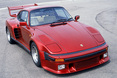 ','911 Turbo Coupé 3 3 litre Flatnose Porsche Exclusive P13 0213 P13 0213 ','./en_13138_0.html'],
[14873,'','P13_0152','
','911 Turbo Coupé 3 3 litre Flatnose Porsche Exclusive P13 0213 P13 0213 ','./en_13138_0.html'],
[14873,'','P13_0152','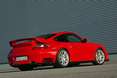 ','2004 Porsche 911 GT2 P13 0152 P13 0152 ','./en_14873_0.html'],
[13027,'','P13_0222','
','2004 Porsche 911 GT2 P13 0152 P13 0152 ','./en_14873_0.html'],
[13027,'','P13_0222','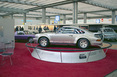 ','1973 911 Turbo Coupé 3 0 litre IAA Frankfurt Innovations P13 0222 P13 0222 ','./en_13027_0.html'],
[13036,'','P13_0066','
','1973 911 Turbo Coupé 3 0 litre IAA Frankfurt Innovations P13 0222 P13 0222 ','./en_13027_0.html'],
[13036,'','P13_0066','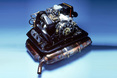 ','1984 911 Carrera Engine 3 2 litre Innovations P13 0066 P13 0066 ','./en_13036_0.html'],
[13167,'','P13_0068','
','1984 911 Carrera Engine 3 2 litre Innovations P13 0066 P13 0066 ','./en_13036_0.html'],
[13167,'','P13_0068','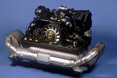 ','1994 911 Carrera 3 6 litreengine P13 0068 P13 0068 ','./en_13167_0.html'],
[13168,'','P13_0069','
','1994 911 Carrera 3 6 litreengine P13 0068 P13 0068 ','./en_13167_0.html'],
[13168,'','P13_0069','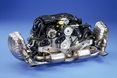 ','1998 911 Carrera 3 4 litreengine P13 0069 P13 0069 ','./en_13168_0.html'],
[14006,'','P13_0154','
','1998 911 Carrera 3 4 litreengine P13 0069 P13 0069 ','./en_13168_0.html'],
[14006,'','P13_0154','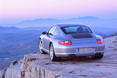 ','2005 911 Carrera 4S Coupé 3 8 litre P13 0154 P13 0154 ','./en_14006_0.html'],
[14009,'','P13_0155','
','2005 911 Carrera 4S Coupé 3 8 litre P13 0154 P13 0154 ','./en_14006_0.html'],
[14009,'','P13_0155','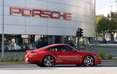 ','2007 911 Turbo Coupé 3 6 litre P13 0155 P13 0155 ','./en_14009_0.html'],
[13119,'','P13_0201','
','2007 911 Turbo Coupé 3 6 litre P13 0155 P13 0155 ','./en_14009_0.html'],
[13119,'','P13_0201','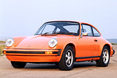 ','1974 911 Carrera Coupé GSeries 2 7 litre Generations P13 0201 P13 0201 ','./en_13119_0.html'],
[13166,'','P13_0067','
','1974 911 Carrera Coupé GSeries 2 7 litre Generations P13 0201 P13 0201 ','./en_13119_0.html'],
[13166,'','P13_0067','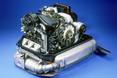 ','1989 911 Carrera 4 3 6 litreengine P13 0067 P13 0067 ','./en_13166_0.html'],
[14101,'','P 394','
','1989 911 Carrera 4 3 6 litreengine P13 0067 P13 0067 ','./en_13166_0.html'],
[14101,'','P 394',' ','6 h Vallelunga P 394 P 394 ','./en_14101_0.html'],
[14099,'','P 382','
','6 h Vallelunga P 394 P 394 ','./en_14101_0.html'],
[14099,'','P 382',' ','1974 Le Mans Motorsport P 382 P 382 ','./en_14099_0.html'],
[14084,'','P 250','
','1974 Le Mans Motorsport P 382 P 382 ','./en_14099_0.html'],
[14084,'','P 250',' ','1968 Rallye Monte Carlo Motorsport P 250 P 250 ','./en_14084_0.html'],
[14109,'','P 415','
','1968 Rallye Monte Carlo Motorsport P 250 P 250 ','./en_14084_0.html'],
[14109,'','P 415',' ','6 h Brands Hatch P 415 P 415 ','./en_14109_0.html'],
[14110,'','P 417','
','6 h Brands Hatch P 415 P 415 ','./en_14109_0.html'],
[14110,'','P 417','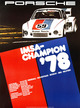 ','1978 Imsa Champion P 417 P 417 ','./en_14110_0.html'],
[14098,'','P 375','
','1978 Imsa Champion P 417 P 417 ','./en_14110_0.html'],
[14098,'','P 375','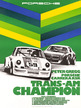 ','TransAm Champion P 375 P 375 ','./en_14098_0.html'],
[13960,'','P13_0227','
','TransAm Champion P 375 P 375 ','./en_14098_0.html'],
[13960,'','P13_0227',' ',' P13 0227 P13 0227 ','./en_13960_0.html'],
[14087,'','P 274','
',' P13 0227 P13 0227 ','./en_13960_0.html'],
[14087,'','P 274','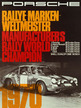 ','1970 Porsche Manufacturer s Rally World Champion P 274 P 274 ','./en_14087_0.html'],
[14059,'','1974 b','
','1970 Porsche Manufacturer s Rally World Champion P 274 P 274 ','./en_14087_0.html'],
[14059,'','1974 b',' ','1974 911 1974 b 1974 b ','./en_14059_0.html'],
[14058,'','1972','
','1974 911 1974 b 1974 b ','./en_14059_0.html'],
[14058,'','1972','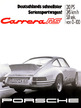 ','1972 911 Carrera RS 1972 1972 ','./en_14058_0.html'],
[13907,'','P13_0123','
','1972 911 Carrera RS 1972 1972 ','./en_14058_0.html'],
[13907,'','P13_0123','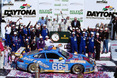 ','2003 Daytona 911 GT3 RS Motorsport P13 0123 P13 0123 ','./en_13907_0.html'],
[13685,'','P13_0107','
','2003 Daytona 911 GT3 RS Motorsport P13 0123 P13 0123 ','./en_13907_0.html'],
[13685,'','P13_0107','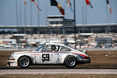 ','2003 Daytona 911 GT3 RS Motorsport P13 0107 P13 0107 ','./en_13685_0.html'],
[14819,'','P13_0157','
','2003 Daytona 911 GT3 RS Motorsport P13 0107 P13 0107 ','./en_13685_0.html'],
[14819,'','P13_0157','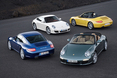 ','2009 911 Carrera Type 997 P13 0157 P13 0157 ','./en_14819_0.html'],
[13086,'','P13_0191','
','2009 911 Carrera Type 997 P13 0157 P13 0157 ','./en_14819_0.html'],
[13086,'','P13_0191','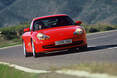 ','1998 911 Carrera Coupé 3 4 litre Flat Engine P13 0191 P13 0191 ','./en_13086_0.html'],
[13020,'','S13_0019','
','1998 911 Carrera Coupé 3 4 litre Flat Engine P13 0191 P13 0191 ','./en_13086_0.html'],
[13020,'','S13_0019','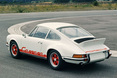 ','1972 Front and Rear Spoilers 911 Carrera RS 2 7 litre Innovations S13 0019 S13 0019 ','./en_13020_0.html'],
[14012,'','P13_0156','
','1972 Front and Rear Spoilers 911 Carrera RS 2 7 litre Innovations S13 0019 S13 0019 ','./en_13020_0.html'],
[14012,'','P13_0156','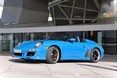 ','2011 911 Speedster P13 0156 P13 0156 ','./en_14012_0.html'],
[13117,'','P13_0199','
','2011 911 Speedster P13 0156 P13 0156 ','./en_14012_0.html'],
[13117,'','P13_0199','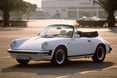 ','1983 911 Carrera S Cabriolet GSeries 3 0 litre Generations P13 0199 P13 0199 ','./en_13117_0.html'],
[14003,'','P13_0145','
','1983 911 Carrera S Cabriolet GSeries 3 0 litre Generations P13 0199 P13 0199 ','./en_13117_0.html'],
[14003,'','P13_0145','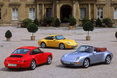 ','1995 911 Carrera 4 Coupé 911 Carrera Coupé 911 Carrera Cabriolet P13 0145 P13 0145 ','./en_14003_0.html'],
[14001,'','P13_0143','
','1995 911 Carrera 4 Coupé 911 Carrera Coupé 911 Carrera Cabriolet P13 0145 P13 0145 ','./en_14003_0.html'],
[14001,'','P13_0143','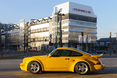 ','1993 911 Turbo S 3 3 litre P13 0143 P13 0143 ','./en_14001_0.html'],
[13991,'','P13_0138','
','1993 911 Turbo S 3 3 litre P13 0143 P13 0143 ','./en_14001_0.html'],
[13991,'','P13_0138','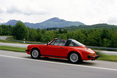 ','1984 911 Carrera 3 2 litre Targa P13 0138 P13 0138 ','./en_13991_0.html'],
[14004,'','P13_0150','
','1984 911 Carrera 3 2 litre Targa P13 0138 P13 0138 ','./en_13991_0.html'],
[14004,'','P13_0150','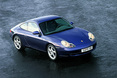 ','1999 911 Carrera 4 Coupé 3 4 litre P13 0150 P13 0150 ','./en_14004_0.html'],
[13988,'','P13_0136','
','1999 911 Carrera 4 Coupé 3 4 litre P13 0150 P13 0150 ','./en_14004_0.html'],
[13988,'','P13_0136','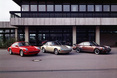 ','1976 Porsche 911 Models P13 0136 P13 0136 ','./en_13988_0.html'],
[13990,'','P13_0137','
','1976 Porsche 911 Models P13 0136 P13 0136 ','./en_13988_0.html'],
[13990,'','P13_0137','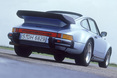 ','1978 911 Turbo Coupé 3 3 litre P13 0137 P13 0137 ','./en_13990_0.html'],
[13999,'','P13_0142','
','1978 911 Turbo Coupé 3 3 litre P13 0137 P13 0137 ','./en_13990_0.html'],
[13999,'','P13_0142','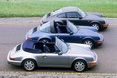 ','1990 911 Carrera 4 Models 3 6 litre P13 0142 P13 0142 ','./en_13999_0.html'],
[12997,'','M10_2878','
','1990 911 Carrera 4 Models 3 6 litre P13 0142 P13 0142 ','./en_13999_0.html'],
[12997,'','M10_2878','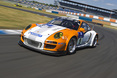 ','2010 911 GT3 R Hybrid Motorsport M10 2878 M10 2878 ','./en_12997_0.html'],
[14057,'','1972 b','
','2010 911 GT3 R Hybrid Motorsport M10 2878 M10 2878 ','./en_12997_0.html'],
[14057,'','1972 b','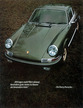 ','1972 911 1972 b 1972 b ','./en_14057_0.html'],
[14063,'','1976 b','
','1972 911 1972 b 1972 b ','./en_14057_0.html'],
[14063,'','1976 b',' ','1976 911 GSeries Coupé Targa 1976 b 1976 b ','./en_14063_0.html'],
[14054,'','1967 c','
','1976 911 GSeries Coupé Targa 1976 b 1976 b ','./en_14063_0.html'],
[14054,'','1967 c',' ','1967 911 Targa 1967 c 1967 c ','./en_14054_0.html'],
[14037,'','P13_0128','
','1967 911 Targa 1967 c 1967 c ','./en_14054_0.html'],
[14037,'','P13_0128','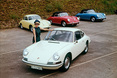 ','1963 911 Type 901 P13 0128 P13 0128 ','./en_14037_0.html'],
[12980,'','S13_0027','
','1963 911 Type 901 P13 0128 P13 0128 ','./en_14037_0.html'],
[12980,'','S13_0027','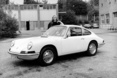 ','1963 911 Type 901 S13 0027 S13 0027 ','./en_12980_0.html'],
[13173,'','P13_0006','
','1963 911 Type 901 S13 0027 S13 0027 ','./en_12980_0.html'],
[13173,'','P13_0006','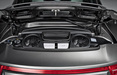 ','2012 911 Carrera S 3 8 litreengine P13 0006 P13 0006 ','./en_13173_0.html'],
[13162,'','P13_0061','
','2012 911 Carrera S 3 8 litreengine P13 0006 P13 0006 ','./en_13173_0.html'],
[13162,'','P13_0061','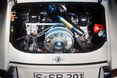 ','1965 911 2 0 litreengine P13 0061 P13 0061 ','./en_13162_0.html'],
[14096,'','P 369','
','1965 911 2 0 litreengine P13 0061 P13 0061 ','./en_13162_0.html'],
[14096,'','P 369','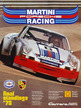 ','1973 Porsche Martini Racing P 369 P 369 ','./en_14096_0.html'],
[14091,'','P 303','
','1973 Porsche Martini Racing P 369 P 369 ','./en_14096_0.html'],
[14091,'','P 303','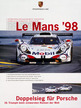 ','1998 Le Mans Motorsport P 303 P 303 ','./en_14091_0.html'],
[14052,'','1964','
','1998 Le Mans Motorsport P 303 P 303 ','./en_14091_0.html'],
[14052,'','1964',' ','1964 Type 911 Classic 1964 1964 ','./en_14052_0.html'],
[13076,'','P13_0193','
','1964 Type 911 Classic 1964 1964 ','./en_14052_0.html'],
[13076,'','P13_0193','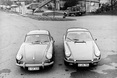 ','1964 901 r 356 C Coupé l 911 P13 0193 P13 0193 ','./en_13076_0.html']];